
Yen Tu: Where Heaven Meets Earth, and All Paths Lead to the Enlightened King Tran Nhan Tong
"Amidst the majestic Northeast, Mount Yen Tu stands as a living monument to Vietnamese Buddhism, a sacred peak where the spirit of the land merges with ancient wisdom, guiding every traveler towards pristine tranquility."
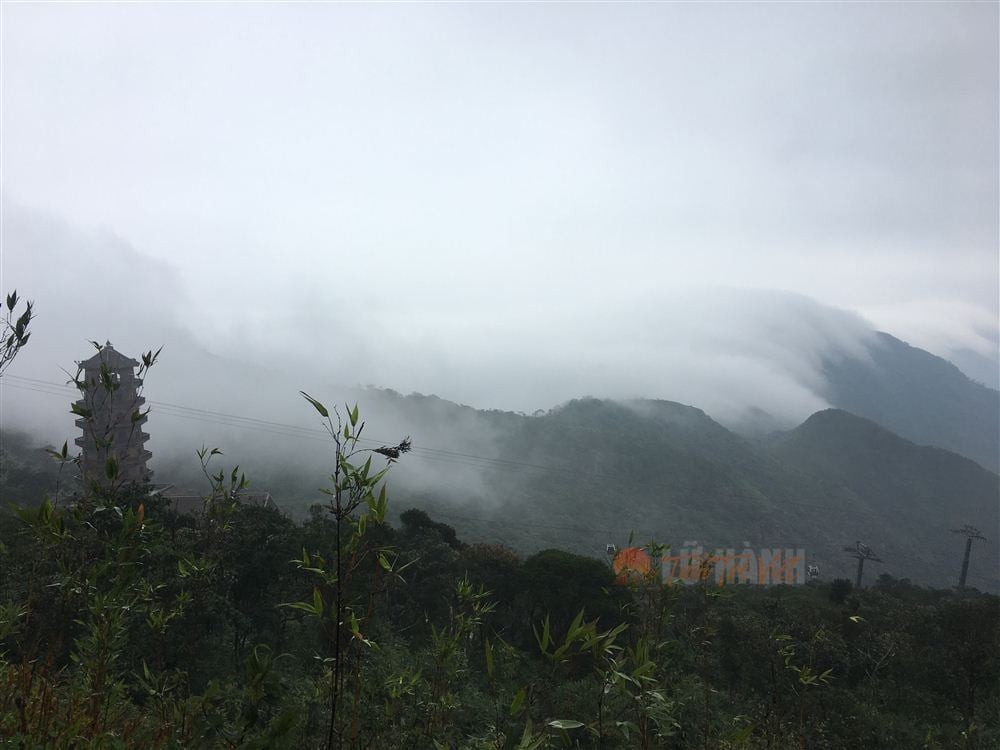
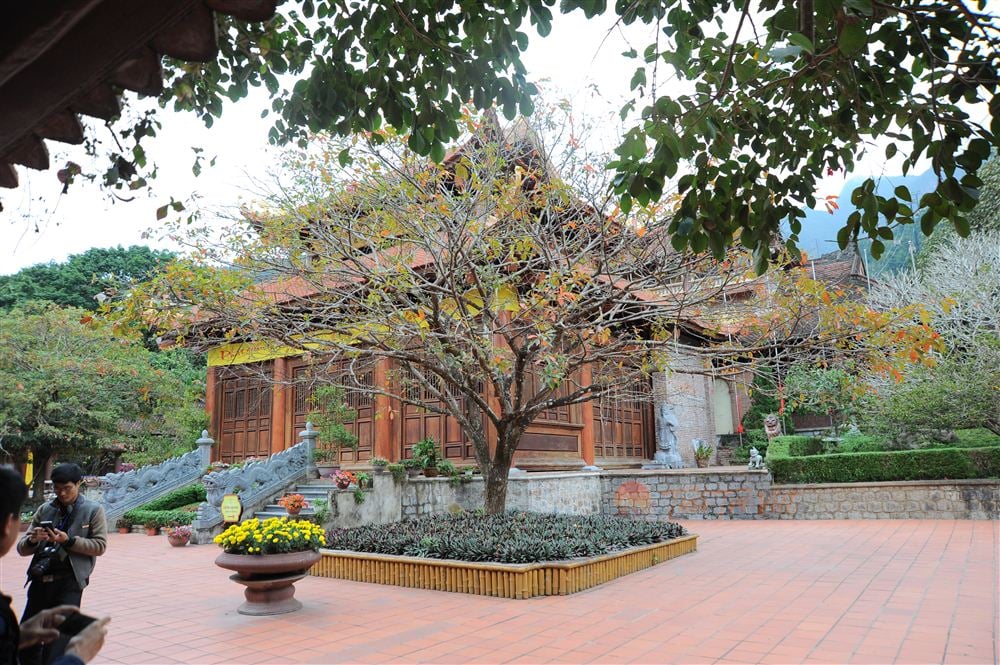
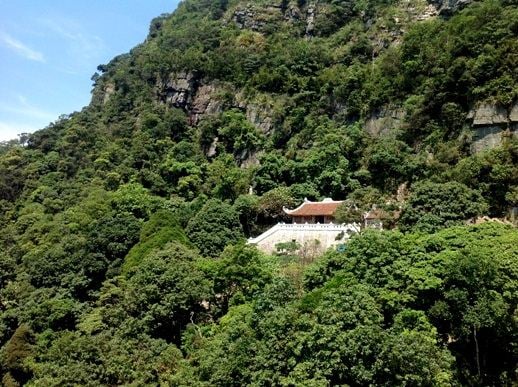
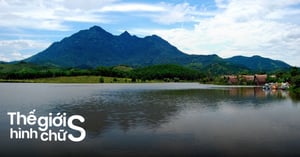
A journey to Yen Tu is more than just exploring ancient relics; it is a profound pilgrimage into the soul. Here, Emperor-King Tran Nhan Tong founded the unique Truc Lam Zen sect of Vietnam. Mount Yen Tu, with its sublime beauty veiled in white clouds, is a magnificent natural tapestry, embracing hundreds of ancient pagodas, sacred stupas, and a rich, protected forest ecosystem. It is an unmissable destination for those seeking spiritual roots, admiring ancient architecture, and immersing themselves in the serene silence of the sacred mountains.
Beauty Through Every Angle
Essential Information
Autumn (Lunar September - November): The weather is cool, pleasant, and less rainy, offering beautiful scenery and fewer crowds.
Avoid summer (Lunar April - August): It can be hot, humid, and prone to storms.
- Buses/Limousines: Travel to Uong Bi (Quang Ninh), then take a taxi or motorbike taxi to the foot of Yen Tu mountain.
- Private Car: Follow National Highway 5, then turn onto National Highway 18 towards Quang Ninh, and take the Yen Tu road in Uong Bi.
At Yen Tu:
- Cable Car: Two modern cable car systems offer convenient access to the mountain peak, saving time and effort, while providing stunning panoramic views.
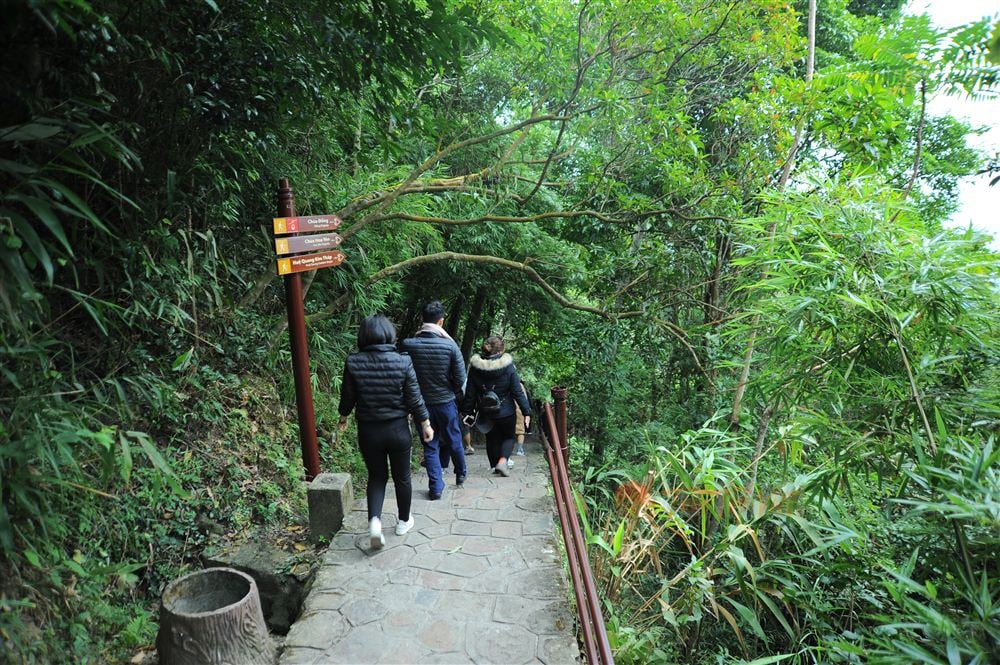
- On Foot: For those who wish to embark on a traditional pilgrimage, build stamina, and contemplate in nature.
Footwear: Opt for athletic shoes or comfortable hiking shoes with good grip for walking and climbing steps.
Water and Snacks: Carry sufficient water and some light snacks to replenish energy, especially if you plan to walk extensively.
Time Allocation: Dedicate at least a full day to explore Yen Tu comprehensively. For a more leisurely experience, consider an overnight stay at the foot of the mountain.
Respect and Cleanliness: Maintain cleanliness, do not litter. Speak softly and avoid making loud noises in temple areas.
Tickets: Purchase cable car and entrance tickets directly at the counter or book in advance to save time.


Essential Information
Autumn (Lunar September - November): The weather is cool, pleasant, and less rainy, offering beautiful scenery and fewer crowds.
Avoid summer (Lunar April - August): It can be hot, humid, and prone to storms.
- Buses/Limousines: Travel to Uong Bi (Quang Ninh), then take a taxi or motorbike taxi to the foot of Yen Tu mountain.
- Private Car: Follow National Highway 5, then turn onto National Highway 18 towards Quang Ninh, and take the Yen Tu road in Uong Bi.
At Yen Tu:
- Cable Car: Two modern cable car systems offer convenient access to the mountain peak, saving time and effort, while providing stunning panoramic views.
- On Foot: For those who wish to embark on a traditional pilgrimage, build stamina, and contemplate in nature.
Footwear: Opt for athletic shoes or comfortable hiking shoes with good grip for walking and climbing steps.
Water and Snacks: Carry sufficient water and some light snacks to replenish energy, especially if you plan to walk extensively.
Time Allocation: Dedicate at least a full day to explore Yen Tu comprehensively. For a more leisurely experience, consider an overnight stay at the foot of the mountain.
Respect and Cleanliness: Maintain cleanliness, do not litter. Speak softly and avoid making loud noises in temple areas.
Tickets: Purchase cable car and entrance tickets directly at the counter or book in advance to save time.