The Hanoi Old Quarter, nestled to the east of the Thang Long Imperial Citadel, is not merely a geographical location but the vibrant soul of a capital with a thousand years of history. It is a vast open-air museum of architecture and culture, where every street and every house narrates a tale of history and its people. As a convergence point of traditional values and modern rhythms, the Old Quarter beckons visitors to immerse themselves in a fascinating experience, discovering the endless beauty of Thang Long – Dong Do – Hanoi.
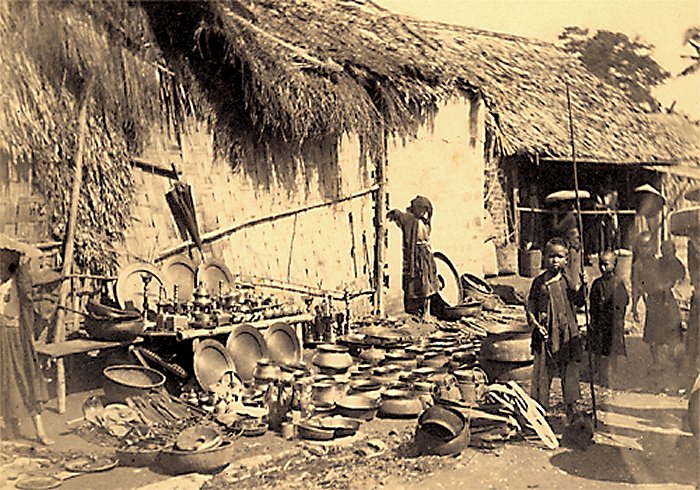
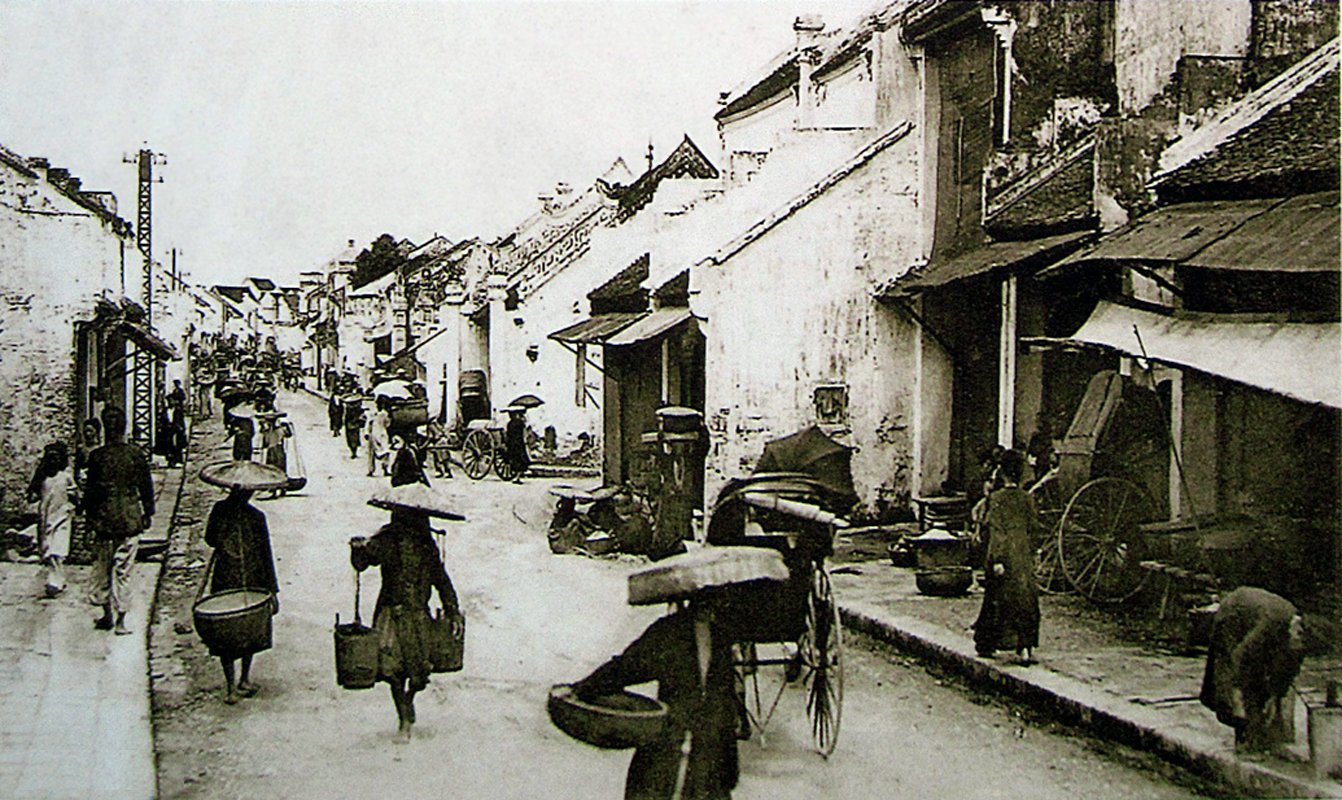
The history of the Old Quarter dates back to the Ly – Tran dynasties, when residents from surrounding craft villages in the Red River Delta gathered here to live and trade, creating the most bustling urban area of the imperial capital. Through successive Lê and Nguyễn dynasties, the area continuously expanded and evolved, with the inclusion of Chinese, French, and Indian communities, transforming it into a multicultural commercial hub. Many lakes and the Tô Lịch River that once flowed through this area were filled in by the late 19th century, yet they left behind traces in familiar place names like Hà Khẩu, Giang Khẩu, and Cầu Gỗ.
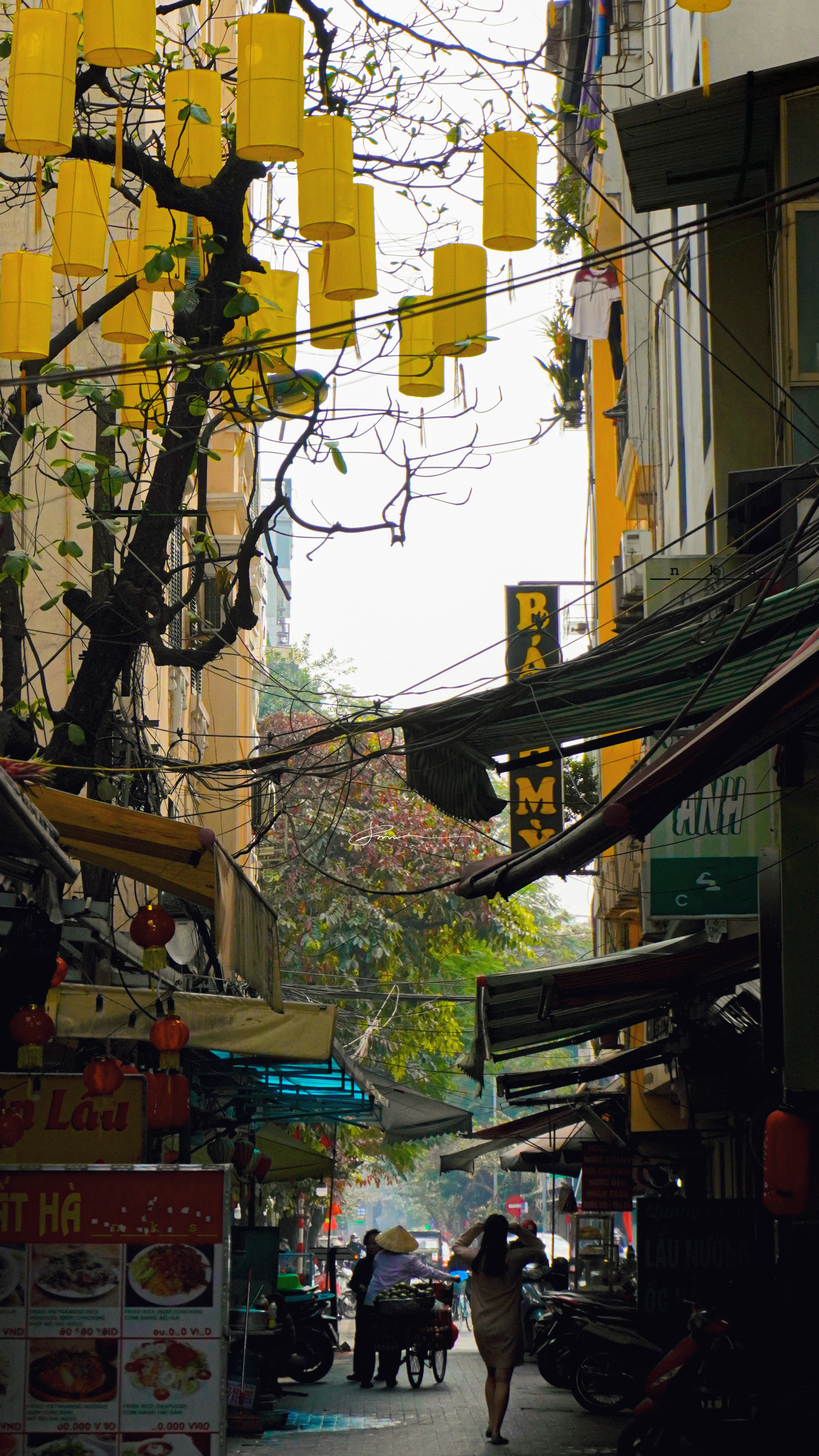
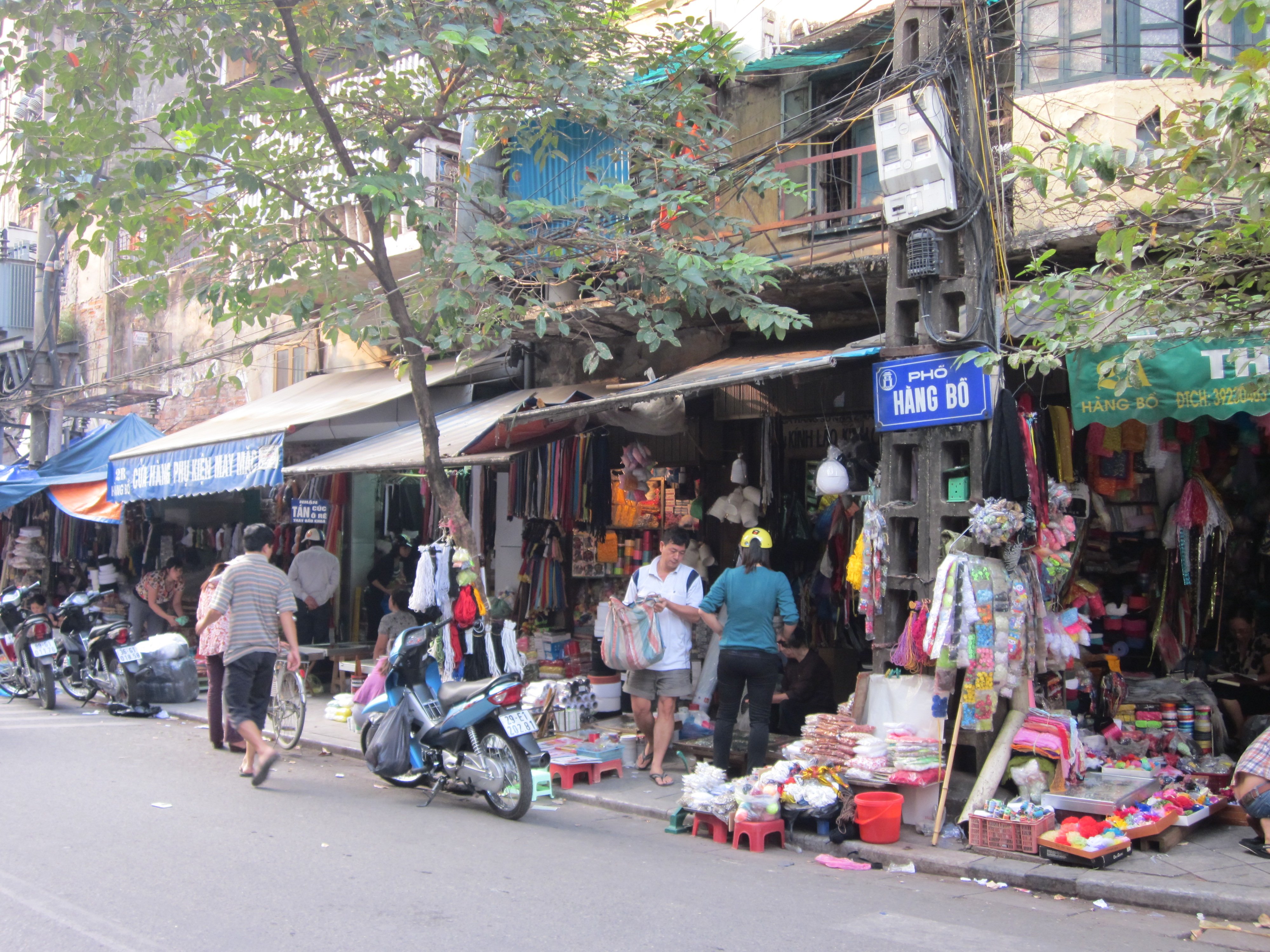
The most celebrated feature of the Old Quarter is its system of “36 Pho Phuong” (36 Streets) – an evocative yet imprecise term for its unique specialized craft streets. Artisans from traditional craft villages converged here, with each street specializing in the production and sale of a specific commodity, naming the street after its goods, prefixed with "Hàng" (goods). This created a distinctive identity, a characteristic cultural trait of the ancient capital's inhabitants.
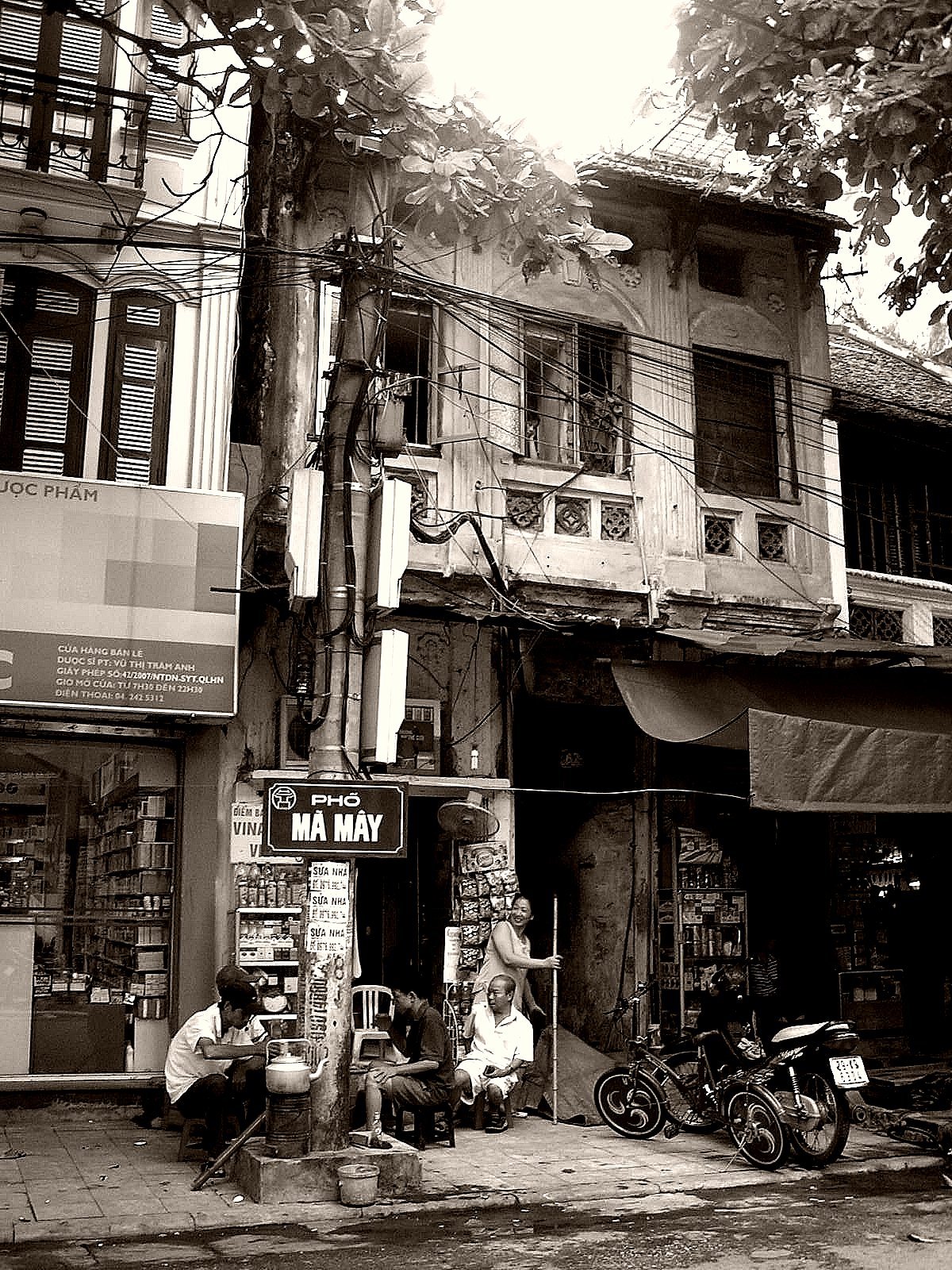
Visitors can wander through the dazzling colors of Hàng Mã Street during festive seasons, or admire the intricate craftsmanship on Hàng Bạc Street, where silversmiths diligently continue their traditional craft. Hàng Đào, once bustling with silk and fabrics, or Mã Mây Street – a name recalling rattan and bamboo products once sold by the Nhị River. Each street is a story, a vibrant snapshot of Hanoi's commercial history.
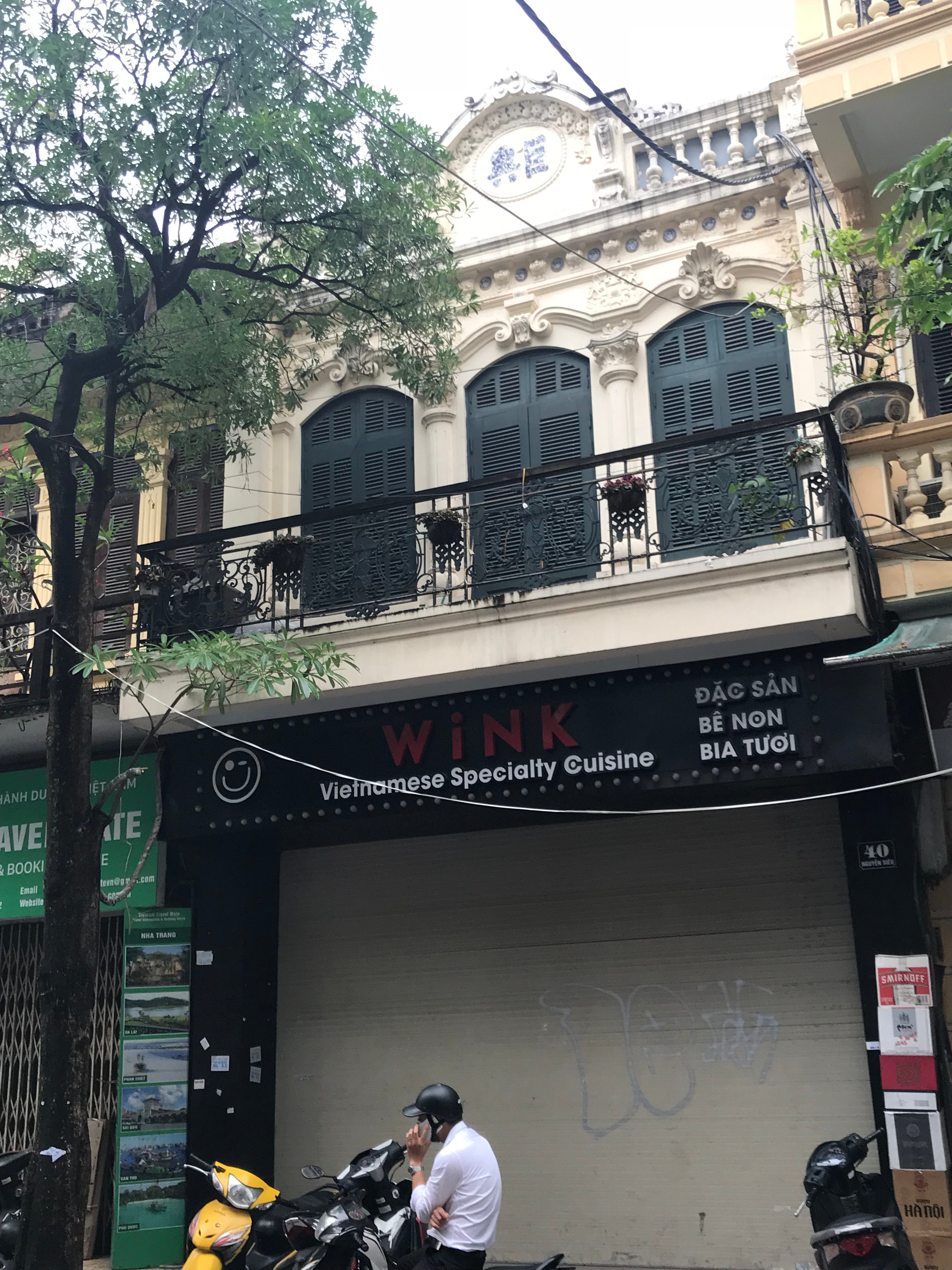
The ancient architecture is an undeniable characteristic of the Old Quarter. The small, narrow-fronted yet deep 'tube houses' (nhà ống), with their sloping tiled roofs and haphazard storefronts, have become iconic. Primarily built in the 18th-19th centuries, these houses are not just living spaces but repositories of historical tales, such as the practice of breaking through walls to create safe passages during the resistance against the French.
Hidden among the bustling streets are countless historical and spiritual sites: communal houses (đình) dedicated to craft founders or village deities, ancient temples (đền), and serene pagodas (chùa) like Cầu Đông, Kim Cổ, and Thái Cam. When the Chinese traders arrived, they also established assembly halls (hội quán) such as Quảng Đông and Phúc Kiến, adding to the cultural and religious diversity of the Old Quarter.
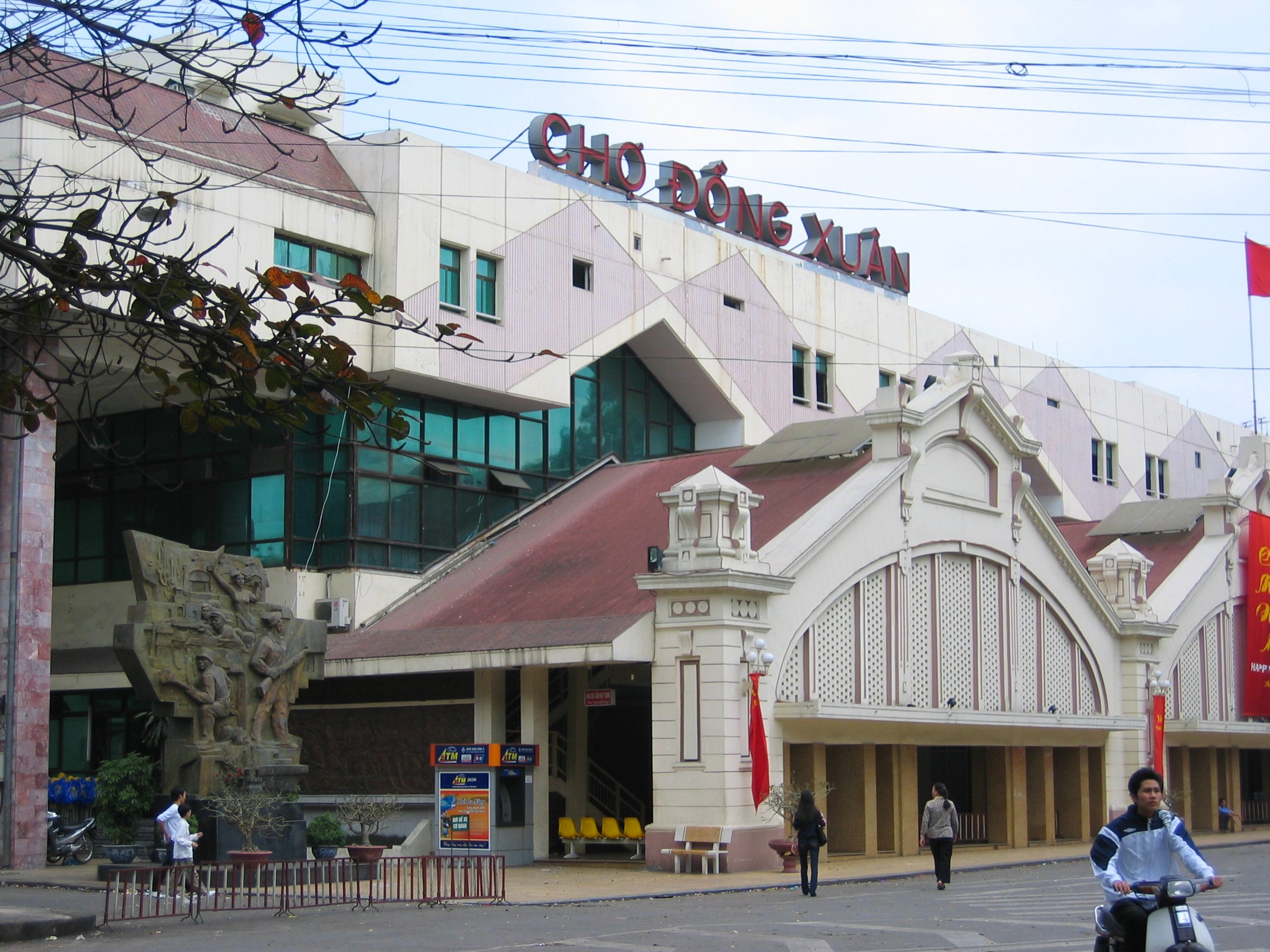
Đồng Xuân Market, one of Hanoi's largest and oldest markets, remains a pulsating heart of the Old Quarter. From its early days established to consolidate smaller markets, Đồng Xuân Market continues to be a central hub for trading all kinds of goods, from household items to food, an essential stop to experience the traditional shopping atmosphere of Hanoians.
Ô Quan Chưởng Gate, the only intact ancient gate remaining among Thang Long's former city gates, stands as a steadfast portal through time. It is not only a unique architectural relic but also a symbol of resilient Hanoi, serving as an ideal starting point for your journey into the Old Quarter's depths.
The beauty of Hanoi's Old Quarter has been an endless source of inspiration for artists and writers. From the beloved folk songs listing the "thirty-six streets, clear as day" (ba mươi sáu phố rành rành chẳng sai), to the "Phố Phái" paintings of renowned artist Bùi Xuân Phái, the Old Quarter exists as a living art museum, where every street corner can be a cinematic scene, a verse that stirs the soul.
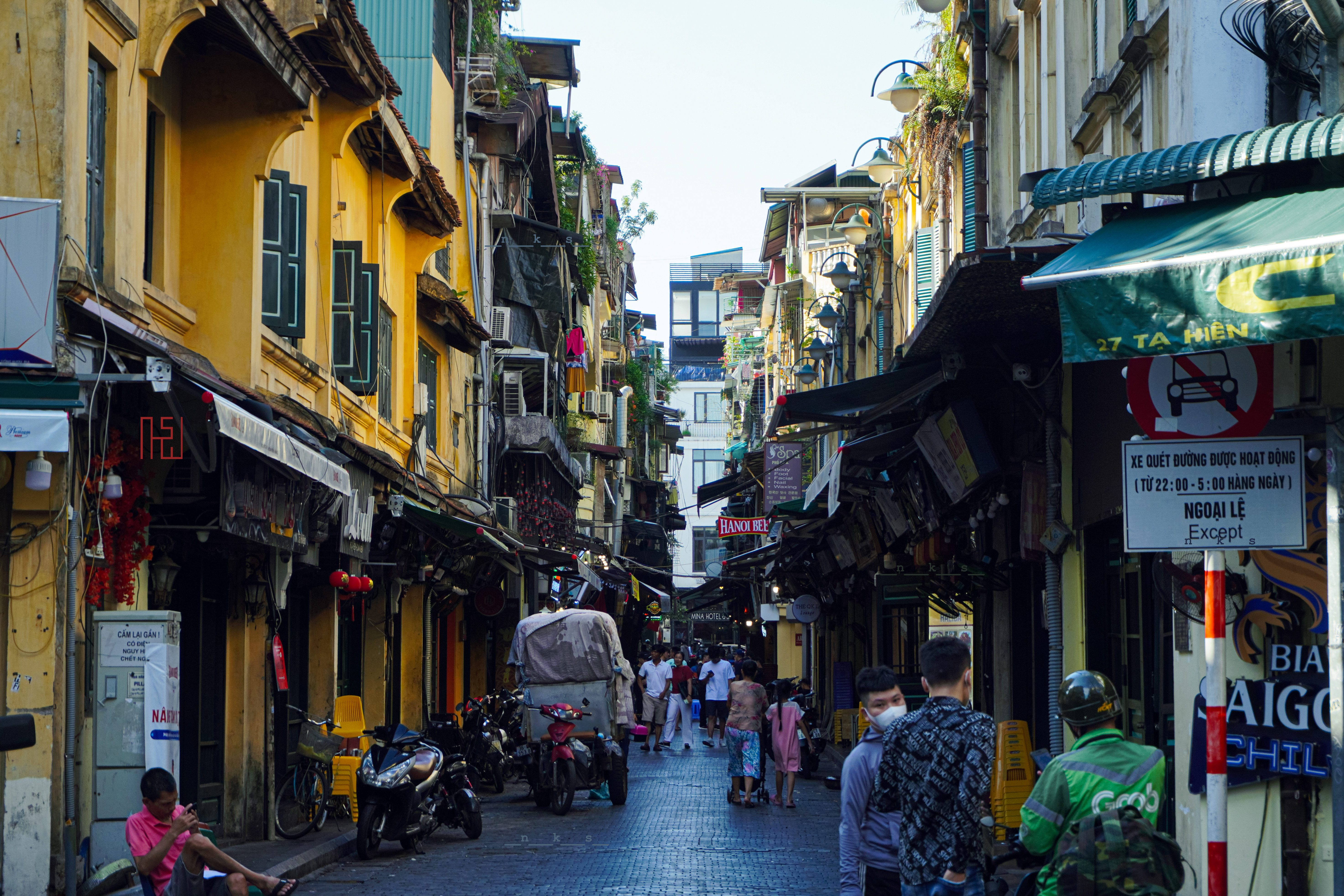
Tạ Hiện Street, dubbed Hanoi's "foreigner street," is a vibrant testament to the fusion of tradition and modernity. By day, it's a quiet street with small shops, but as night falls, Tạ Hiện awakens with bustling beer halls and street food stalls, attracting both locals and international visitors to enjoy the lively atmosphere characteristic of the Old Quarter at night.
Given its historical and cultural significance, the Hanoi Old Quarter has consistently been the focus of preservation efforts. From the Ministry of Construction's planning decision in 1995 to the renovation of streets for the 1000th Anniversary of Thang Long – Hanoi, the city continually seeks to preserve its ancient charm while allowing it to adapt to contemporary life. Despite facing challenges of degradation and architectural changes, the Old Quarter strives to conserve its core values, a precious national heritage.
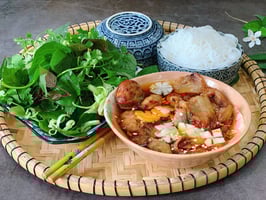
Exploring the Old Quarter is a delightful journey through a labyrinth of time. Take your time to walk slowly, observe the daily life of local residents, savor a cup of egg coffee, or stop at a fragrant bún chả stall. Every small alley, every street vendor's cart holds a unique story and flavor, promising an authentic and unforgettable experience of an ancient yet captivating Hanoi.