
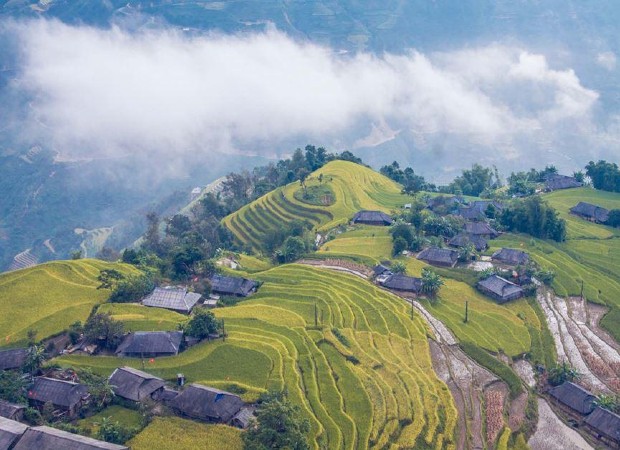
Hoang Su Phi Terraced Rice Fields: A Majestic Tapestry of Heaven and Earth
"Hoang Su Phi, Ha Giang, where majestic terraced rice fields touch the sky, weaving a vibrant tapestry of mountains and indigenous culture. A destination that stirs all senses, where time seems to stand still."
From lush green silk ribbons winding across mountain slopes to the golden splendor of the ripe rice season, the Hoang Su Phi terraced fields are not just a national heritage site but the very soul of Vietnam's northern frontier. Here, the vigorous life of nature blends with the diligence and ingenuity of ethnic minority communities, creating a magnificent, poetic spectacle that will forever be etched in your memory. Join "Vietnam Canvas" as we unveil the mystery and timeless beauty of Hoang Su Phi – where every step is a story, every glance a wondrous emotion.
Beauty Through Every Angle
Essential Information
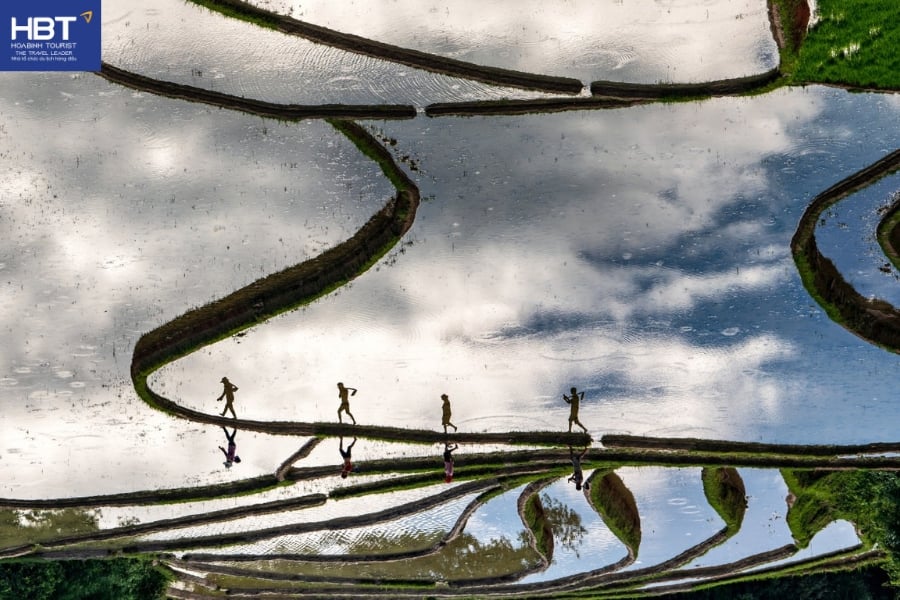
Water Pouring Season (April-June): The terraced fields transform into myriad mirrors reflecting the sky, glistening under the sun. The sight of diligent farmers planting rice creates a poetic tableau of labor.
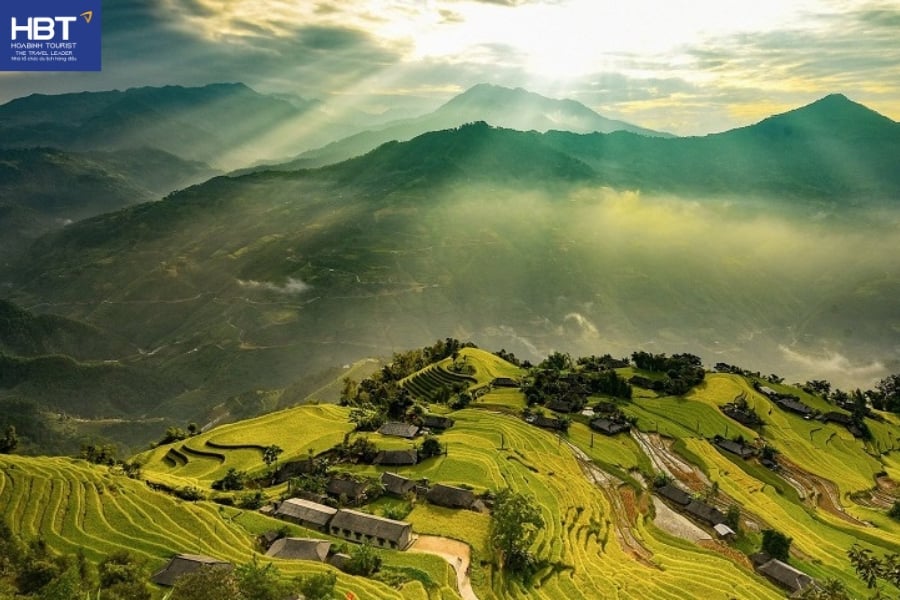
Golden Rice Season (September-October): The "golden" period to witness Hoang Su Phi at its most magnificent. Endless golden rice fields stretch across the mountains, their fragrant aroma filling the air. This season also hosts many unique cultural festivals.
Late Autumn - Early Winter (October-November): After the rice harvest, buckwheat flowers burst into bloom, painting the hillsides in shades of pink, creating a wild and romantic beauty.
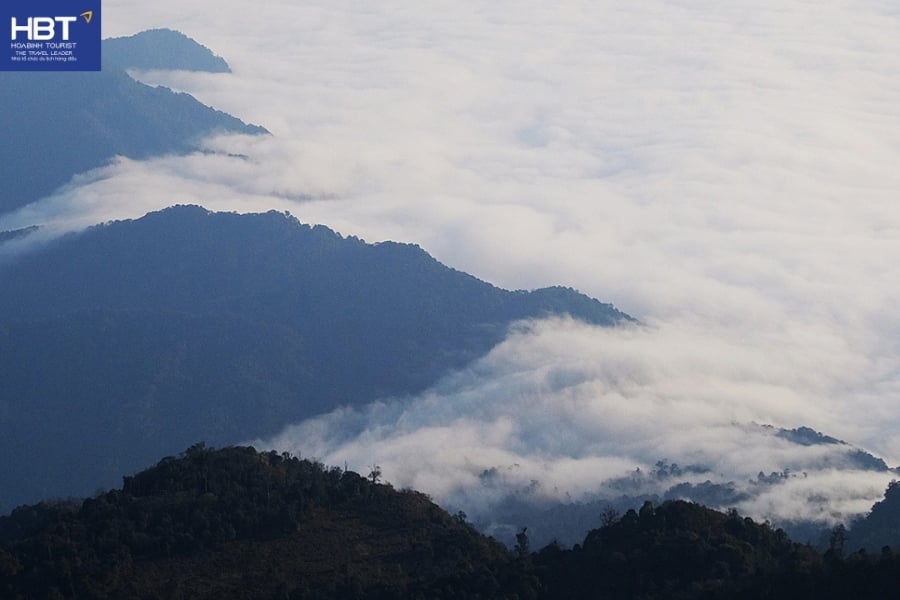
Winter (November-February): The climate is cold, but it offers opportunities for cloud hunting on Chieu Lau Thi or Tay Con Linh peaks, and perhaps even a rare glimpse of snow.
- The most convenient way is to fly to Hanoi (Noi Bai International Airport), taking about 2 hours.
- From Hanoi, continue the journey to Ha Giang.
From Hanoi to Ha Giang (approx. 300km):
- Sleeper Bus: Many departures from My Dinh Bus Station in the evening, arriving in Ha Giang early morning. Fares are around 260,000 – 300,000 VND.
- Private Vehicle (car/motorbike): A common route is Hanoi – Thang Long Bridge – Thang Long – Noi Bai Expressway – Vinh Yen – Viet Tri – Doan Hung – Phu Tho – Tuyen Quang – Ha Giang. Mountainous roads require experienced drivers.
From Ha Giang to Hoang Su Phi (approx. 80-100km):
- Motorbike Rental: From Ha Giang City, head back on QL2 to Tan Quang then turn onto DT177. Alternatively, go via Thanh Thuy border gate and cross Tay Con Linh (more challenging route).
- Hired Car/Tour: For groups or families with children/elderly, hiring a car with a driver or booking a tour is a safe and convenient option, allowing you to enjoy the majestic scenery without worrying about treacherous roads, especially during the rainy season when they can be slippery.
- Clothing: Hoang Su Phi has a cool climate year-round, especially cold at night and in winter. Pack warm clothes, waterproof jackets, comfortable walking shoes, wool hats, and gloves. Opt for light, easy-to-move attire for trekking.
- Health and Personal Items: Bring basic medications (cold, stomach ache, motion sickness), sunscreen, a wide-brimmed hat, sunglasses. A flashlight is also very useful.
- Snacks: The area is still quite remote with few shops. Prepare some snacks and drinks as a backup.
- Transportation: Mountain roads are quite challenging, especially during the rainy season when landslides and slippery conditions are common. If you are not an experienced rider, consider hiring a car with a driver or joining a tour. Always obey traffic laws and drive cautiously.
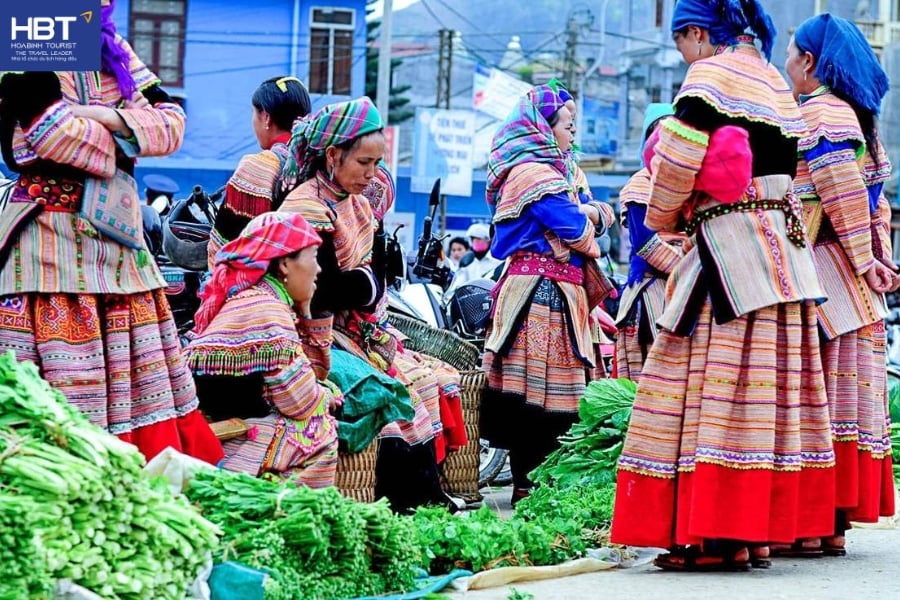
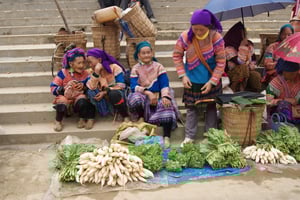
- Respect Local Culture: Research the customs and traditions of ethnic minorities like the La Chi, Dao, and Nung in advance to avoid taboos and show respect.
- Shopping: Check prices before buying at local markets or shops to avoid inflated prices.

Essential Information
Water Pouring Season (April-June): The terraced fields transform into myriad mirrors reflecting the sky, glistening under the sun. The sight of diligent farmers planting rice creates a poetic tableau of labor.
Golden Rice Season (September-October): The "golden" period to witness Hoang Su Phi at its most magnificent. Endless golden rice fields stretch across the mountains, their fragrant aroma filling the air. This season also hosts many unique cultural festivals.
Late Autumn - Early Winter (October-November): After the rice harvest, buckwheat flowers burst into bloom, painting the hillsides in shades of pink, creating a wild and romantic beauty.
Winter (November-February): The climate is cold, but it offers opportunities for cloud hunting on Chieu Lau Thi or Tay Con Linh peaks, and perhaps even a rare glimpse of snow.
- The most convenient way is to fly to Hanoi (Noi Bai International Airport), taking about 2 hours.
- From Hanoi, continue the journey to Ha Giang.
From Hanoi to Ha Giang (approx. 300km):
- Sleeper Bus: Many departures from My Dinh Bus Station in the evening, arriving in Ha Giang early morning. Fares are around 260,000 – 300,000 VND.
- Private Vehicle (car/motorbike): A common route is Hanoi – Thang Long Bridge – Thang Long – Noi Bai Expressway – Vinh Yen – Viet Tri – Doan Hung – Phu Tho – Tuyen Quang – Ha Giang. Mountainous roads require experienced drivers.
From Ha Giang to Hoang Su Phi (approx. 80-100km):
- Motorbike Rental: From Ha Giang City, head back on QL2 to Tan Quang then turn onto DT177. Alternatively, go via Thanh Thuy border gate and cross Tay Con Linh (more challenging route).
- Hired Car/Tour: For groups or families with children/elderly, hiring a car with a driver or booking a tour is a safe and convenient option, allowing you to enjoy the majestic scenery without worrying about treacherous roads, especially during the rainy season when they can be slippery.
- Clothing: Hoang Su Phi has a cool climate year-round, especially cold at night and in winter. Pack warm clothes, waterproof jackets, comfortable walking shoes, wool hats, and gloves. Opt for light, easy-to-move attire for trekking.
- Health and Personal Items: Bring basic medications (cold, stomach ache, motion sickness), sunscreen, a wide-brimmed hat, sunglasses. A flashlight is also very useful.
- Snacks: The area is still quite remote with few shops. Prepare some snacks and drinks as a backup.
- Transportation: Mountain roads are quite challenging, especially during the rainy season when landslides and slippery conditions are common. If you are not an experienced rider, consider hiring a car with a driver or joining a tour. Always obey traffic laws and drive cautiously.
- Respect Local Culture: Research the customs and traditions of ethnic minorities like the La Chi, Dao, and Nung in advance to avoid taboos and show respect.
- Shopping: Check prices before buying at local markets or shops to avoid inflated prices.