
History, Culture
Po Klong Garai Towers: Where Time Stands Still, Champa's Soul Lives On
The Central
8 min read
"A majestic masterpiece of ancient Champa architecture perched on Trau Hill, Po Klong Garai Towers are a cultural and spiritual emblem, inviting travelers to immerse themselves in its grandeur and millennium-old tales."
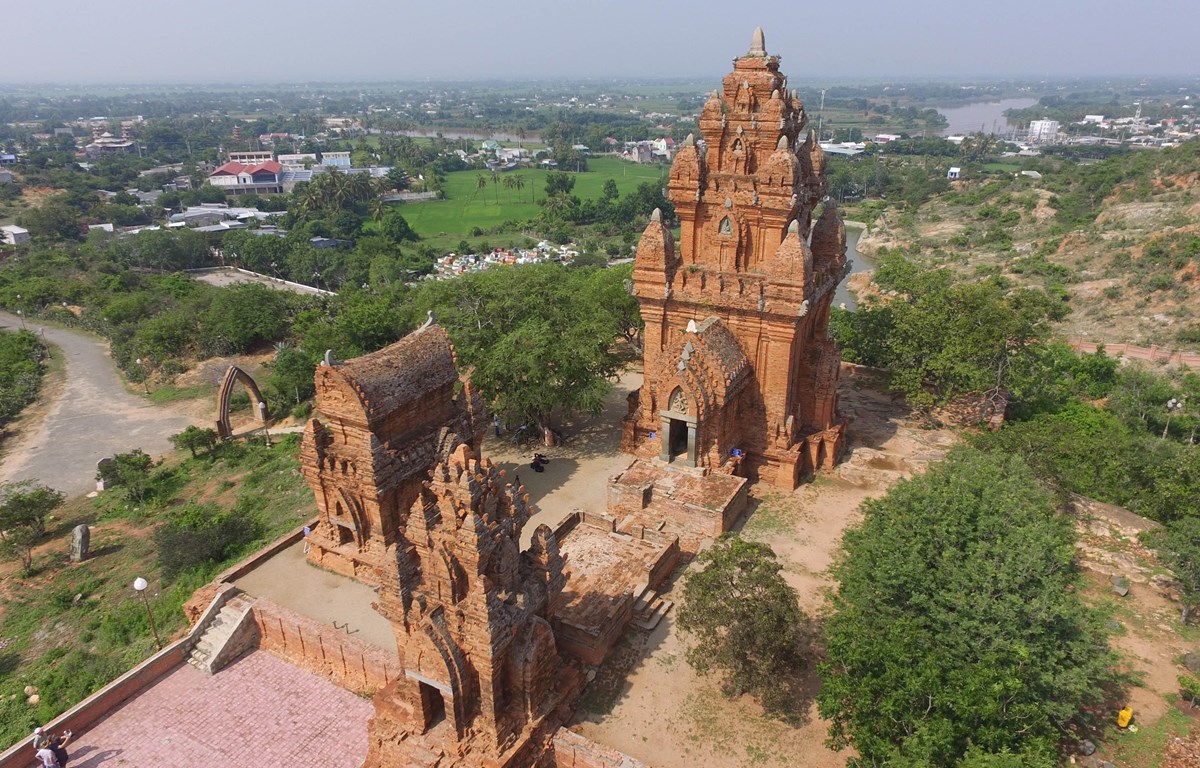
In the sun-drenched lands of Ninh Thuan, where the desert winds whisper ancient stories, the Po Klong Garai Towers emerge like a dream from the past – an ancient Champa architectural marvel whose soul remains remarkably intact. Standing solemnly on Trau Hill, this complex is not merely a historical site, but the pulsating heart of an undying Champa culture, beckoning every traveler to explore, admire, and feel the rhythm of time itself.
Beauty Through Every Angle
Along the sun-drenched central coast of Vietnam, where sea breezes whisper ocean ballads and ancient tales, the Po Klong Garai Towers rise as a magnificent testament to time. Standing proudly on Trau Hill, this cluster of towers is not just a structure of baked brick; it is the very soul of the ancient Champa kingdom, an enduring symbol of culture, faith, and art meticulously preserved through centuries. Each brick, every intricate carving, tells a story of a vibrant civilization that once reigned here, inviting visitors on a journey through space and time to discover its majestic beauty and unsolved mysteries.
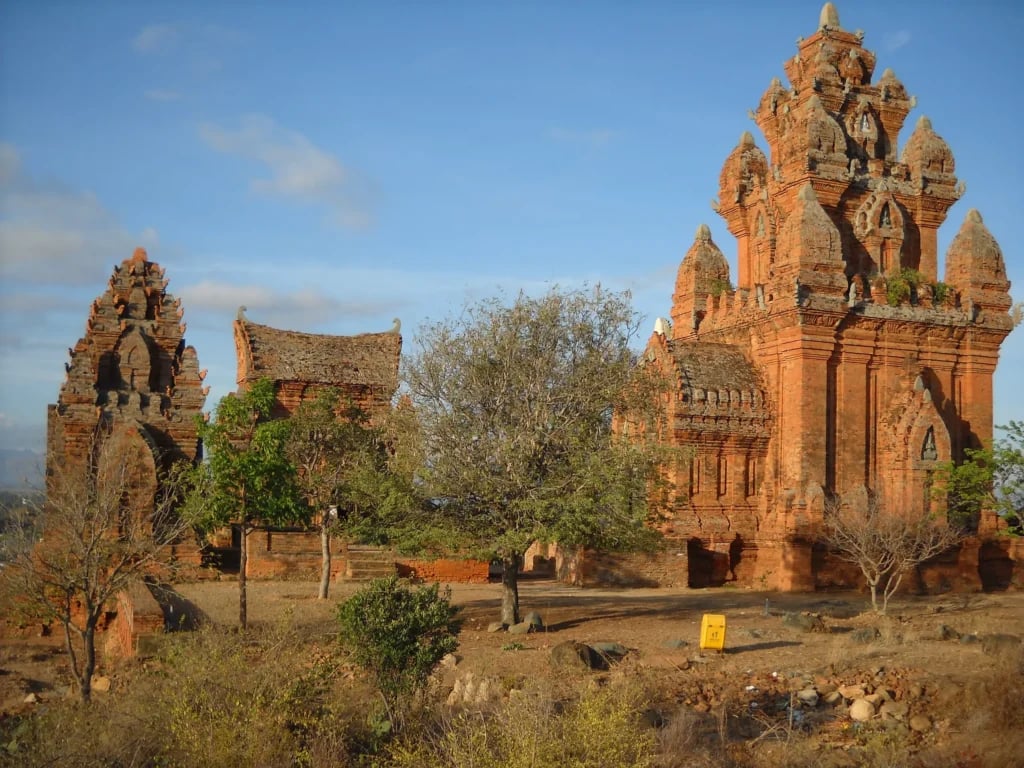
In the late 13th to early 14th century, under the reign of King Che Man (Shihavaman), the Po Klong Garai Towers were constructed to honor the virtuous King Po Klong Garai (1151-1205). He was a monarch credited with significant contributions to agricultural development and irrigation systems, bringing prosperity to the Champa kingdom. The tower complex serves not only as a place of worship but also as a powerful testament to the golden age of the Cham people, where historical and cultural values have been preserved intact, defying the erosion of time and the harshness of nature. Stepping here, one can feel the majesty of an empire that once resonated throughout Southeast Asia.
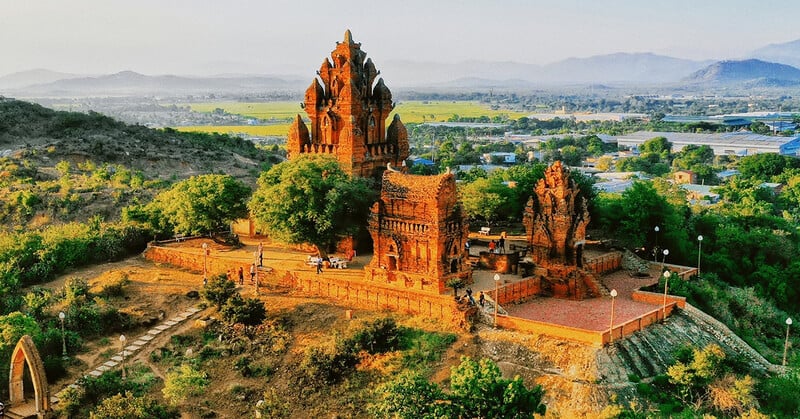
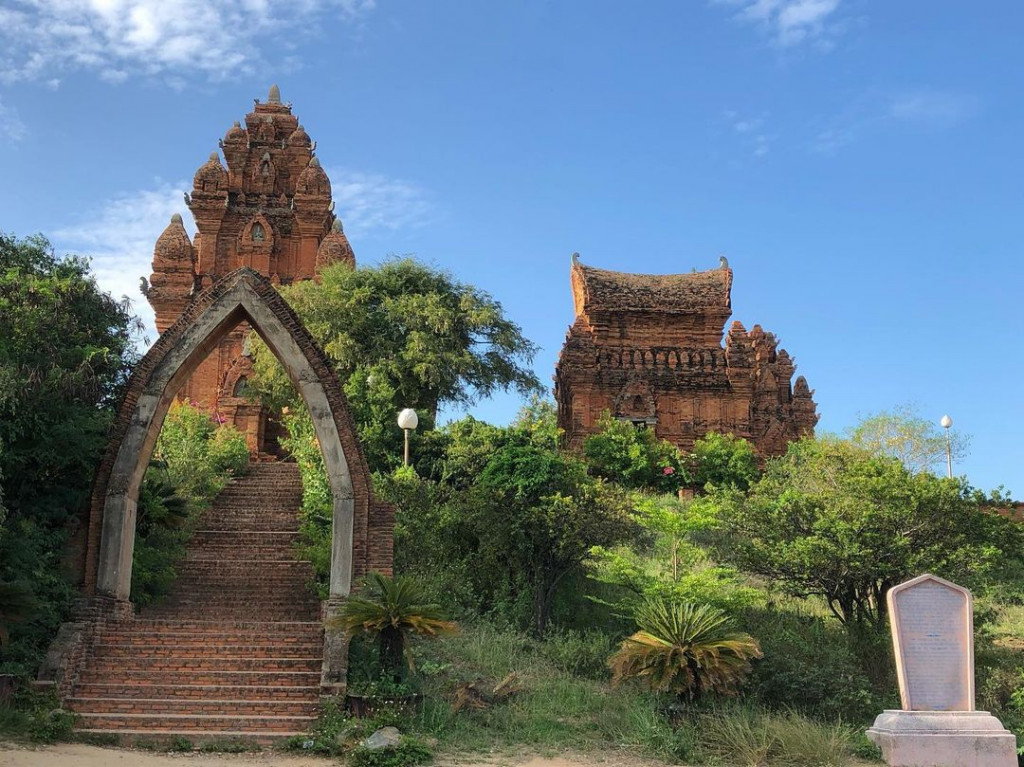
Po Klong Garai is a unique architectural complex, comprising three main towers harmoniously arranged on the summit of Trau Hill: the Main Tower (Kalan), the Fire Tower (Kos Ghai), and the Gate Tower (Gopura). Constructed entirely from dark red baked bricks and sandstone, each tower is a living testament to the pinnacle of Champa architectural art. The intricate carvings, strong yet graceful lines, all reflect a deep spiritual worldview and the extraordinary talent of ancient Cham artisans. The overall architecture creates an antique, mysterious beauty that leaves every visitor in awe.
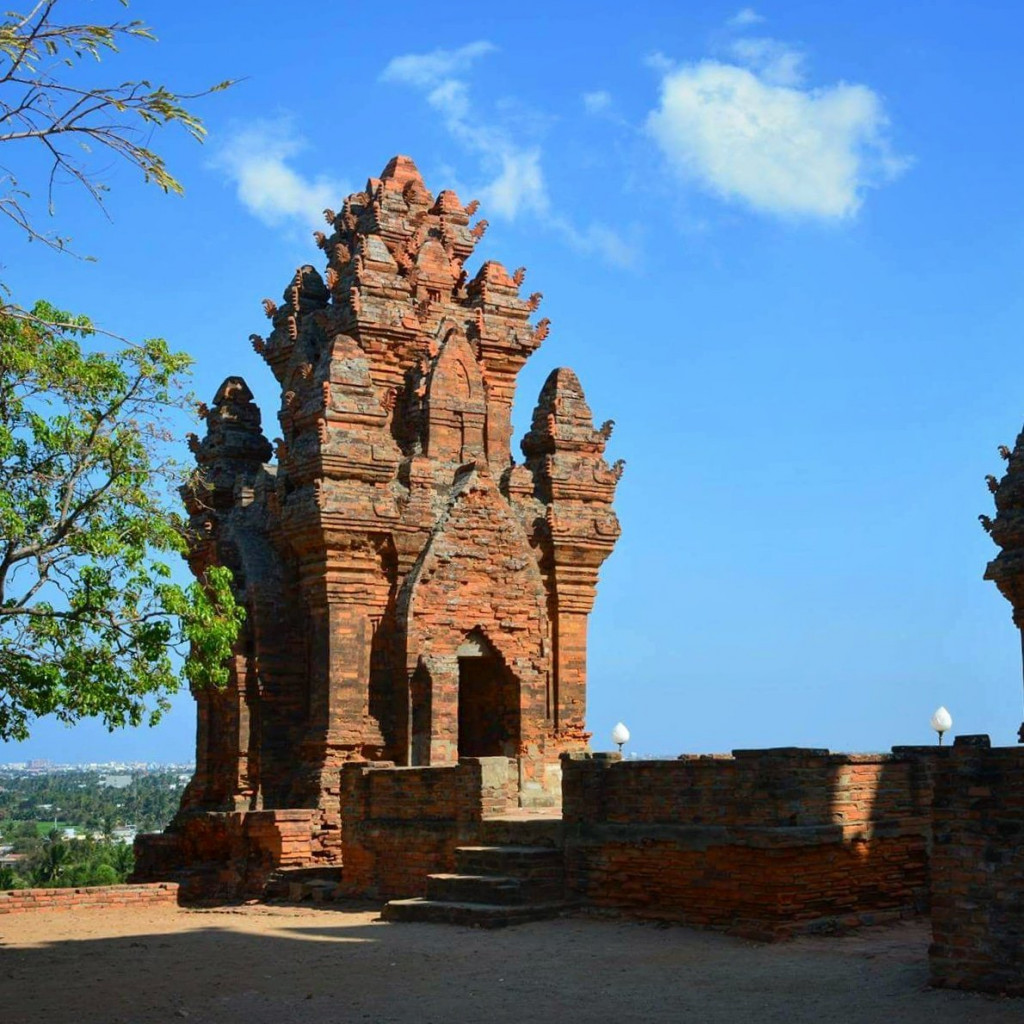
The Gate Tower, or Gopura, is the first structure to greet visitors entering the historical site. Standing approximately 8.56 meters tall, the tower is adorned with meticulous and intricate carvings, clearly showcasing the ancient Champa architectural style. This was once the main entrance for ceremonies, rituals, and welcoming important royal guests. Every detail on the Gate Tower carries profound symbolic meaning, guiding visitors into a sacred space where the boundary between the mortal and divine seems to dissolve. Through this gateway of time, you embark on a journey to discover unique cultural and spiritual values.
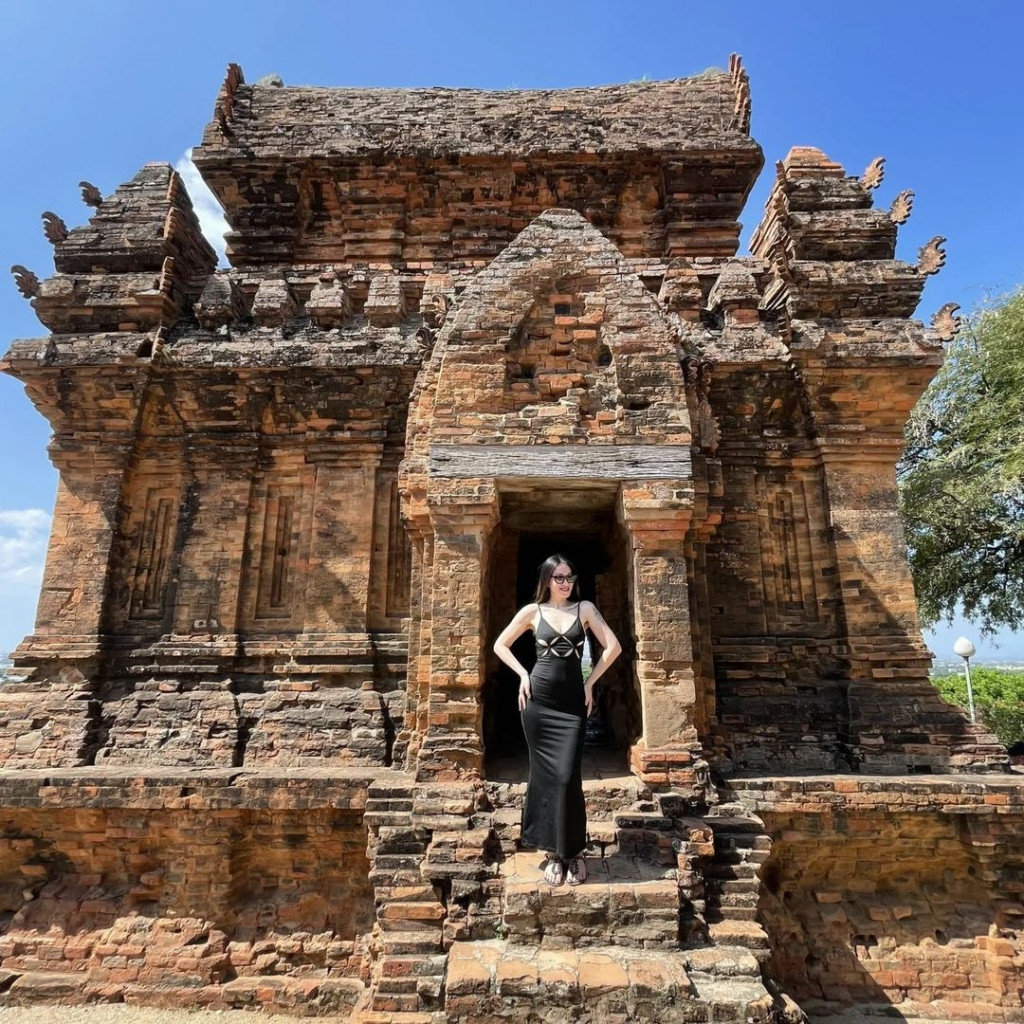
Located to the south of the complex, the Fire Tower (Kos Ghai) stands out with its curved, boat-shaped roof design, a unique architectural feature rarely seen elsewhere. Standing 9.31 meters tall, this tower was historically where Brahmin priests performed sacred ceremonies and where royal regalia and other holy artifacts of the Champa kings were stored. The name 'Fire Tower' evokes images of sacred sacrificial fires, flickering in the night, where prayers were sent to the gods. Stepping inside, one can feel the solemn and spiritual atmosphere of these ancient rites.
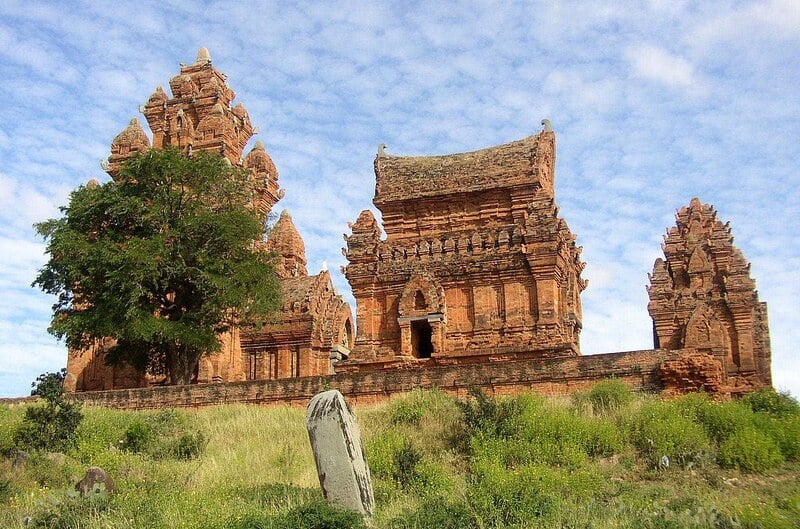
The Main Tower (Kalan) is the heart of the complex, standing majestically at 20.5 meters tall, resembling the sacred Mount Meru in Hinduism. The tower features a multi-tiered design, with each upper tier being a smaller replica of the one below, symbolizing the ascent to spiritual enlightenment. Its main entrance faces east, adorned with a bas-relief of the six-armed Shiva gracefully dancing, an emblem of destruction and recreation. Inside, a statue of the divine bull Nandin – Shiva's mount – stands majestically, and further within is the altar dedicated to King Po Klong Garai, where the soul of the virtuous king is still revered by descendants. The Main Tower embodies the essence of Cham architecture and faith.
One of the most astonishing wonders at Po Klong Garai Towers, as with other Cham towers, is the lost ancient brick-making technique. Cham bricks are lighter than ordinary bricks yet incredibly durable, capable of rapidly draining water after rain, preventing internal decay. Furthermore, they exhibit remarkable resistance to moss and mold, allowing the structures to retain their pristine appearance for hundreds of years, untouched by harsh weather. Scientists have attempted to replicate this, but the full secret remains elusive, making Cham bricks one of the greatest 'unsolved mysteries' in architectural history.
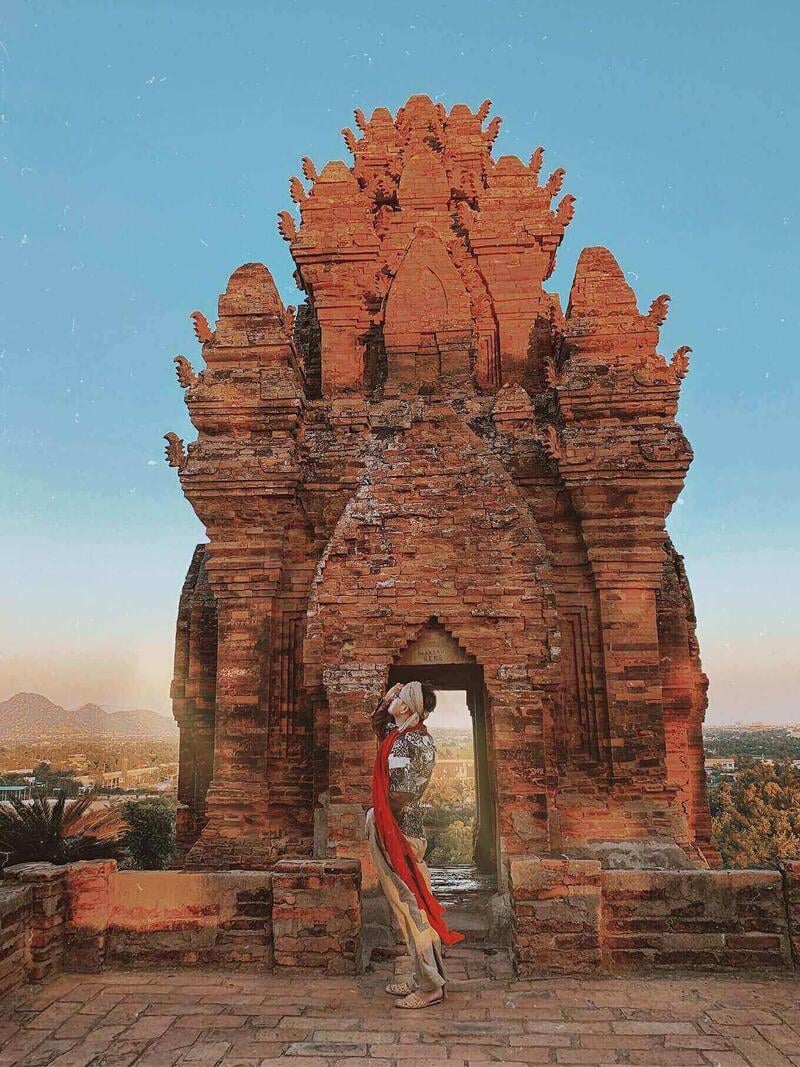
Beyond the brick-making technique, the mortar used to bind the Cham bricks is another enigma that has perplexed archaeologists. The bricks are laid so tightly together that there's virtually no gap, forming an incredibly sturdy architectural block. An intriguing theory suggests the towers were open-air fired after completion, creating a natural bond. However, groundbreaking research by Italian scientists at My Son revealed that the binding agent was a refined glue derived from the 'cây dầu rái' tree, a local plant species. Despite these clues, the absolute permanence of these joints remains a marvel, showcasing the ancient Cham people's mastery in utilizing natural materials.
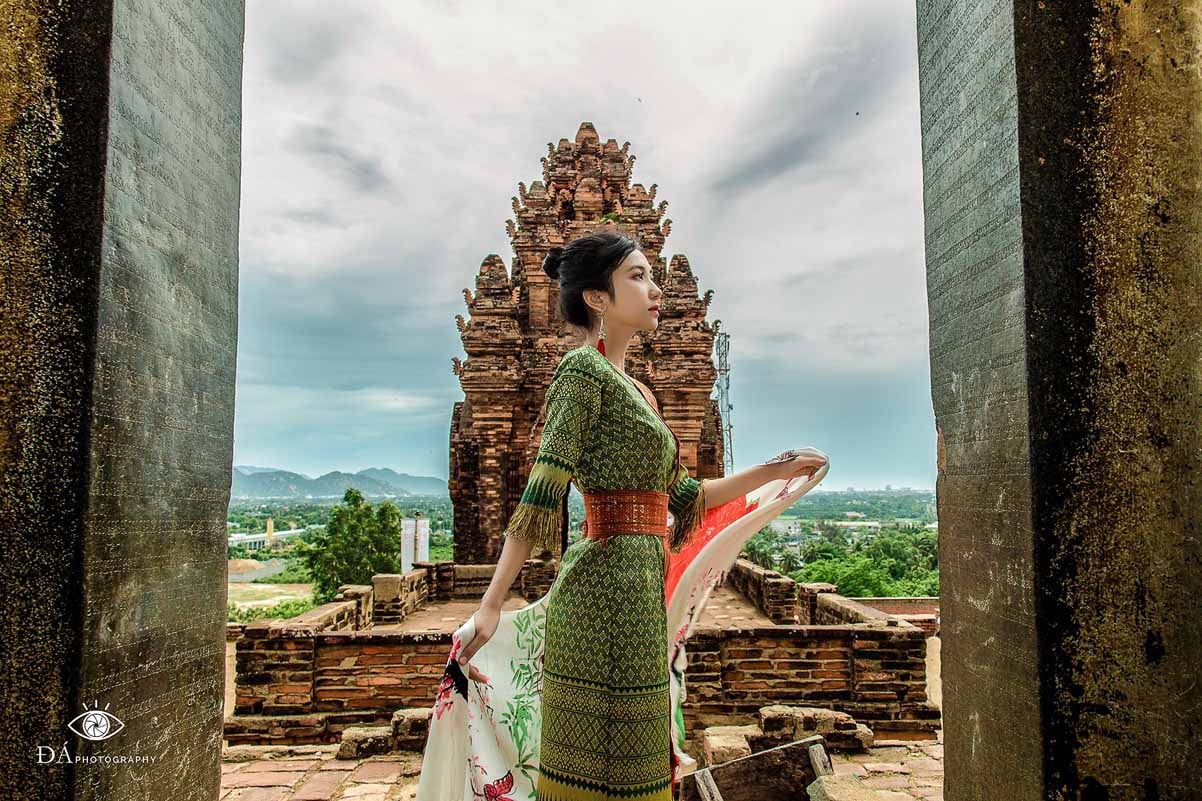
On the stone gate of the Main Tower and in various other parts of the complex, you will encounter intricate carvings of ancient Cham script. These inscriptions, though centuries old, retain their mysterious allure and challenge linguists to this day. Each stroke seems to hold messages from the former Champa kingdom – prayers, historical records, or tales of gods and heroes. To date, many characters remain undeciphered, leaving a mystical void that beckons the curious to unveil the past and delve deeper into this once-glorious civilization.
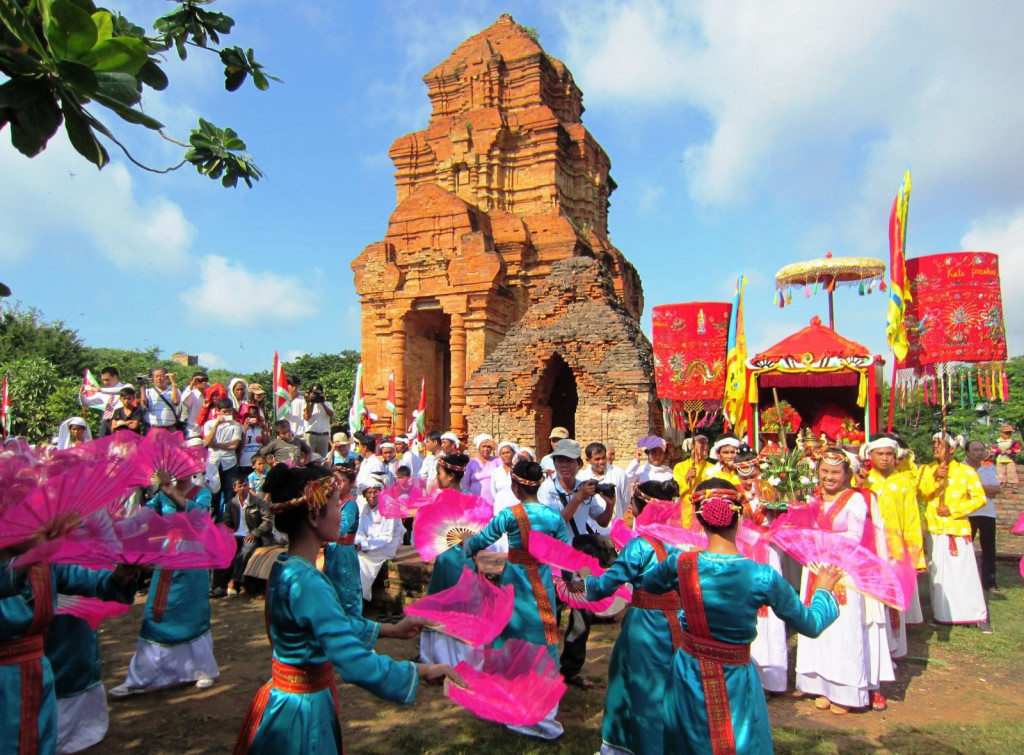
Po Klong Garai Towers are not just a monument but a vibrant center of Cham spiritual life. Annually, in October (Gregorian calendar), the complex comes alive with the Kate Festival – one of the largest and most significant celebrations of the Cham community. This occasion commemorates deities and ancestors, praying for bountiful harvests and peaceful lives. Visitors at this time will be immersed in the lively atmosphere of traditional rituals, listening to the resounding Ghinang drums and Saranai horns, admiring graceful Apsara dances, and savoring local delicacies. An unforgettable cultural experience awaits!
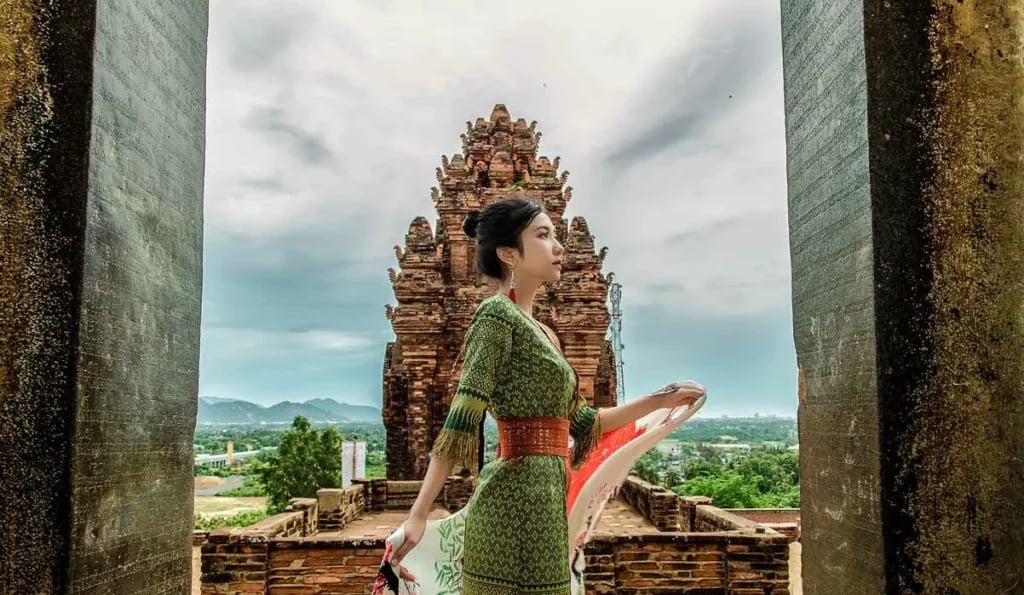
Standing atop Trau Hill, where the Po Klong Garai Towers proudly stand, visitors are treated to a breathtaking panorama of Phan Rang city and the Ninh Thuan landscape. Gazing into the distance, lush green rice fields stretch endlessly, interspersed with undulating mountain ranges embracing the city. Golden sunlight, like liquid honey, bathes everything, creating a picturesque scene that is both majestic and poetic. This is a moment for introspection, to breathe in the fresh air and capture stunning photographs where the ancient beauty of the towers merges with the boundless natural surroundings.
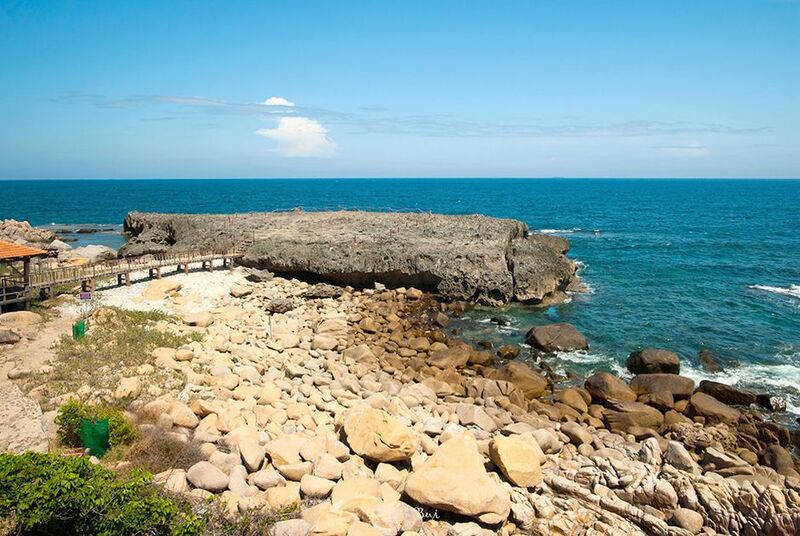
A journey through Ninh Thuan cannot simply end at Po Klong Garai Towers. The surrounding region offers countless other fascinating destinations waiting to be explored. Visit Hang Rai with its ancient fossilized coral reefs and enchanting natural pools, or wander through the lush vineyards at Thai An or Ba Moi to savor fresh grapes and local wines. Don't miss the stunning Vinh Hy Bay with its crystal-clear waters and the majestic landscapes of Mui Da Vach. These experiences will add rich colors to your trip, taking you deeper into Ninh Thuan's diverse beauty.
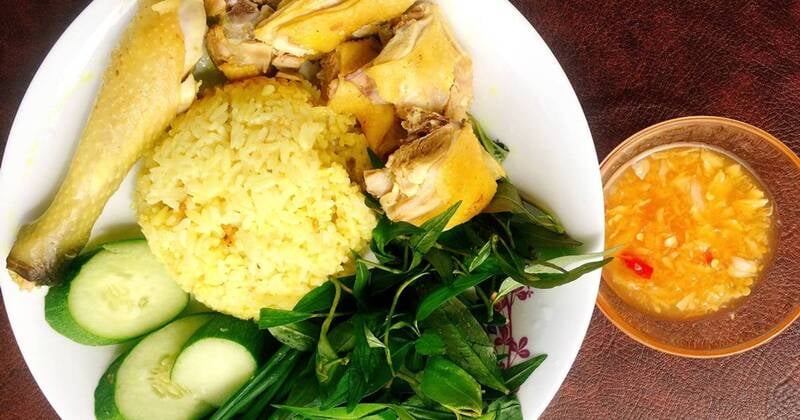
After immersing yourself in history and architecture, let your taste buds lead you to explore Ninh Thuan's cuisine. You cannot miss the famous Phan Rang Chicken Rice (Cơm gà Phan Rang) with its fragrant, tender rice cooked in chicken broth and succulent, flavorful chicken meat. Be sure to try Mai Fish Salad (Gỏi cá mai), fresh and refreshing, a harmonious blend of the fish's sweetness, lemon's tang, and a hint of chili. And specifically, Ninh Thuan Lamb (Thịt cừu Ninh Thuận) – an indispensable specialty, prepared in various delicious ways like grilling, steaming, or stir-frying, offering a unique flavor that is tender, sweet, and without any gamey odor. This is an excellent way to connect with the local culture through traditional dishes.
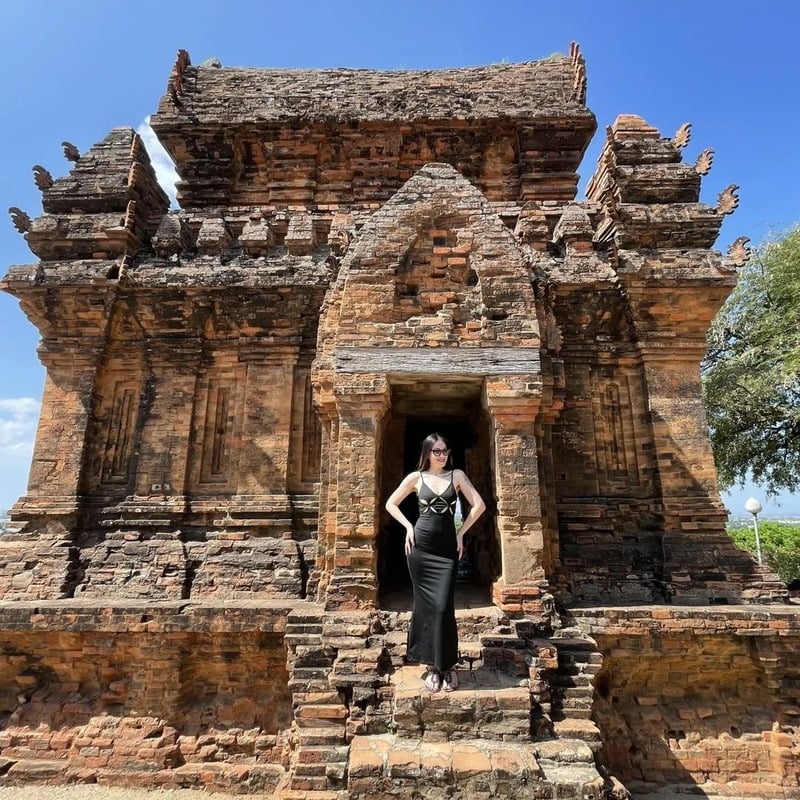
The Po Klong Garai Towers, with their ancient, mysterious beauty set against a majestic natural backdrop, provide a perfect 'Instagrammable' setting for photography enthusiasts. Every angle of the towers, from the time-worn brick walls to the intricate carvings, can create 'once-in-a-lifetime' photos. Especially during sunrise or sunset, the golden light casts ethereal shadows on the towers, creating a magical lighting effect that transforms every frame into a work of art. Don't hesitate to seek unique perspectives, combining the architecture with the surrounding landscape to capture the most beautiful memories of your trip.
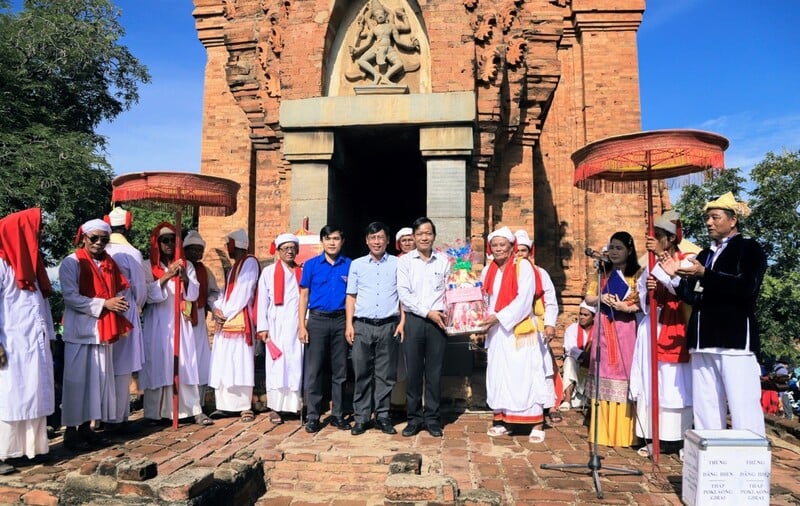
For a complete and meaningful visit to Po Klong Garai Towers, keep a few important points in mind. The site is open daily from 7:30 AM to 5:30 PM. The entrance fee is 20,000 VND for adults and 10,000 VND for children. You can also rent a round-trip electric car for 25,000 VND/person for convenient travel from the entrance gate to the base of the towers. Remember to bring plenty of water, a hat, and sunscreen, as Ninh Thuan weather can be quite sunny and hot. Finally, always be mindful and respectful of the cultural, historical, and sacred values of this site. Po Klong Garai Towers await to tell you their millennium-old stories, promising an unforgettable experience on your journey through Vietnam Canvas.
Essential Information
Best Time
The ideal time to visit Po Klong Garai Towers is early morning (8:00 – 10:00 AM) or late afternoon (3:00 – 4:30 PM).
This is when the sun is gentler, casting a beautiful golden glow perfect for photography and allowing you to avoid Ninh Thuan's characteristic intense heat.
If you wish to immerse yourself in vibrant festivities, plan your visit for October (Gregorian calendar), when the traditional Kate Festival of the Cham people takes place, offering unique spiritual rituals and mystical dances.
This is when the sun is gentler, casting a beautiful golden glow perfect for photography and allowing you to avoid Ninh Thuan's characteristic intense heat.
If you wish to immerse yourself in vibrant festivities, plan your visit for October (Gregorian calendar), when the traditional Kate Festival of the Cham people takes place, offering unique spiritual rituals and mystical dances.
Transportation
To reach Po Klong Garai Towers, you have several transportation options:
From Ho Chi Minh City:
- Coach: Take a bus from Mien Dong Bus Station to Phan Rang.
- Train: Opt for a SE train to Thap Cham station, then hire a taxi or motorbike for the remaining 7km.
- Private Vehicle: Drive along National Highway 1A towards Ninh Thuan, then follow road signs to the towers.
From Nha Trang:
- Coach: Many bus companies operate routes between Nha Trang and Phan Rang.
- Private Car Service: Hiring a private transfer service directly from Nha Trang offers convenience and comfort.
- Motorbike/Private Car: Drive south along National Highway 1A; the journey takes approximately 2-3 hours.
From Phan Rang – Thap Cham city center:
- The towers are approximately 7-9km from the city center, a 15-20 minute drive by taxi, motorbike, or rented car.
- The route is straightforward: From Phu Ha Roundabout, follow Road 21/8 towards Da Lat. After crossing the railway intersection, continue a short distance to reach the towers.
From Ho Chi Minh City:
- Coach: Take a bus from Mien Dong Bus Station to Phan Rang.
- Train: Opt for a SE train to Thap Cham station, then hire a taxi or motorbike for the remaining 7km.
- Private Vehicle: Drive along National Highway 1A towards Ninh Thuan, then follow road signs to the towers.
From Nha Trang:
- Coach: Many bus companies operate routes between Nha Trang and Phan Rang.
- Private Car Service: Hiring a private transfer service directly from Nha Trang offers convenience and comfort.
- Motorbike/Private Car: Drive south along National Highway 1A; the journey takes approximately 2-3 hours.
From Phan Rang – Thap Cham city center:
- The towers are approximately 7-9km from the city center, a 15-20 minute drive by taxi, motorbike, or rented car.
- The route is straightforward: From Phu Ha Roundabout, follow Road 21/8 towards Da Lat. After crossing the railway intersection, continue a short distance to reach the towers.
Tips
- Dress respectfully: This is a sacred place of worship; please wear modest clothing to show respect for local culture and beliefs.
- Stay protected: Bring a hat, sunglasses, and sunscreen to shield yourself from the strong sun. Don't forget plenty of water to stay hydrated.
- Comfortable footwear: You'll be walking and climbing stairs, so choose athletic shoes or low-heeled sandals for ease of movement.
- Respect the monument: Do not touch artifacts, refrain from writing or drawing on the tower walls, and help maintain general cleanliness.
- Photography caution: There are many beautiful photo opportunities, but be mindful of your safety, especially when climbing to higher vantage points.
- Electric car service: If walking from the entrance to the towers is challenging, an electric car service is available for 25,000 VND/person for a round trip.
- Entrance fee: The entrance fee is 20,000 VND for adults and 10,000 VND for children.
- Stay protected: Bring a hat, sunglasses, and sunscreen to shield yourself from the strong sun. Don't forget plenty of water to stay hydrated.
- Comfortable footwear: You'll be walking and climbing stairs, so choose athletic shoes or low-heeled sandals for ease of movement.
- Respect the monument: Do not touch artifacts, refrain from writing or drawing on the tower walls, and help maintain general cleanliness.
- Photography caution: There are many beautiful photo opportunities, but be mindful of your safety, especially when climbing to higher vantage points.
- Electric car service: If walking from the entrance to the towers is challenging, an electric car service is available for 25,000 VND/person for a round trip.
- Entrance fee: The entrance fee is 20,000 VND for adults and 10,000 VND for children.


Essential Information
Best Time
The ideal time to visit Po Klong Garai Towers is early morning (8:00 – 10:00 AM) or late afternoon (3:00 – 4:30 PM).
This is when the sun is gentler, casting a beautiful golden glow perfect for photography and allowing you to avoid Ninh Thuan's characteristic intense heat.
If you wish to immerse yourself in vibrant festivities, plan your visit for October (Gregorian calendar), when the traditional Kate Festival of the Cham people takes place, offering unique spiritual rituals and mystical dances.
This is when the sun is gentler, casting a beautiful golden glow perfect for photography and allowing you to avoid Ninh Thuan's characteristic intense heat.
If you wish to immerse yourself in vibrant festivities, plan your visit for October (Gregorian calendar), when the traditional Kate Festival of the Cham people takes place, offering unique spiritual rituals and mystical dances.
Transportation
To reach Po Klong Garai Towers, you have several transportation options:
From Ho Chi Minh City:
- Coach: Take a bus from Mien Dong Bus Station to Phan Rang.
- Train: Opt for a SE train to Thap Cham station, then hire a taxi or motorbike for the remaining 7km.
- Private Vehicle: Drive along National Highway 1A towards Ninh Thuan, then follow road signs to the towers.
From Nha Trang:
- Coach: Many bus companies operate routes between Nha Trang and Phan Rang.
- Private Car Service: Hiring a private transfer service directly from Nha Trang offers convenience and comfort.
- Motorbike/Private Car: Drive south along National Highway 1A; the journey takes approximately 2-3 hours.
From Phan Rang – Thap Cham city center:
- The towers are approximately 7-9km from the city center, a 15-20 minute drive by taxi, motorbike, or rented car.
- The route is straightforward: From Phu Ha Roundabout, follow Road 21/8 towards Da Lat. After crossing the railway intersection, continue a short distance to reach the towers.
From Ho Chi Minh City:
- Coach: Take a bus from Mien Dong Bus Station to Phan Rang.
- Train: Opt for a SE train to Thap Cham station, then hire a taxi or motorbike for the remaining 7km.
- Private Vehicle: Drive along National Highway 1A towards Ninh Thuan, then follow road signs to the towers.
From Nha Trang:
- Coach: Many bus companies operate routes between Nha Trang and Phan Rang.
- Private Car Service: Hiring a private transfer service directly from Nha Trang offers convenience and comfort.
- Motorbike/Private Car: Drive south along National Highway 1A; the journey takes approximately 2-3 hours.
From Phan Rang – Thap Cham city center:
- The towers are approximately 7-9km from the city center, a 15-20 minute drive by taxi, motorbike, or rented car.
- The route is straightforward: From Phu Ha Roundabout, follow Road 21/8 towards Da Lat. After crossing the railway intersection, continue a short distance to reach the towers.
Tips
- Dress respectfully: This is a sacred place of worship; please wear modest clothing to show respect for local culture and beliefs.
- Stay protected: Bring a hat, sunglasses, and sunscreen to shield yourself from the strong sun. Don't forget plenty of water to stay hydrated.
- Comfortable footwear: You'll be walking and climbing stairs, so choose athletic shoes or low-heeled sandals for ease of movement.
- Respect the monument: Do not touch artifacts, refrain from writing or drawing on the tower walls, and help maintain general cleanliness.
- Photography caution: There are many beautiful photo opportunities, but be mindful of your safety, especially when climbing to higher vantage points.
- Electric car service: If walking from the entrance to the towers is challenging, an electric car service is available for 25,000 VND/person for a round trip.
- Entrance fee: The entrance fee is 20,000 VND for adults and 10,000 VND for children.
- Stay protected: Bring a hat, sunglasses, and sunscreen to shield yourself from the strong sun. Don't forget plenty of water to stay hydrated.
- Comfortable footwear: You'll be walking and climbing stairs, so choose athletic shoes or low-heeled sandals for ease of movement.
- Respect the monument: Do not touch artifacts, refrain from writing or drawing on the tower walls, and help maintain general cleanliness.
- Photography caution: There are many beautiful photo opportunities, but be mindful of your safety, especially when climbing to higher vantage points.
- Electric car service: If walking from the entrance to the towers is challenging, an electric car service is available for 25,000 VND/person for a round trip.
- Entrance fee: The entrance fee is 20,000 VND for adults and 10,000 VND for children.