

Hoi An Ancient Town: A Symphony of Time and Color
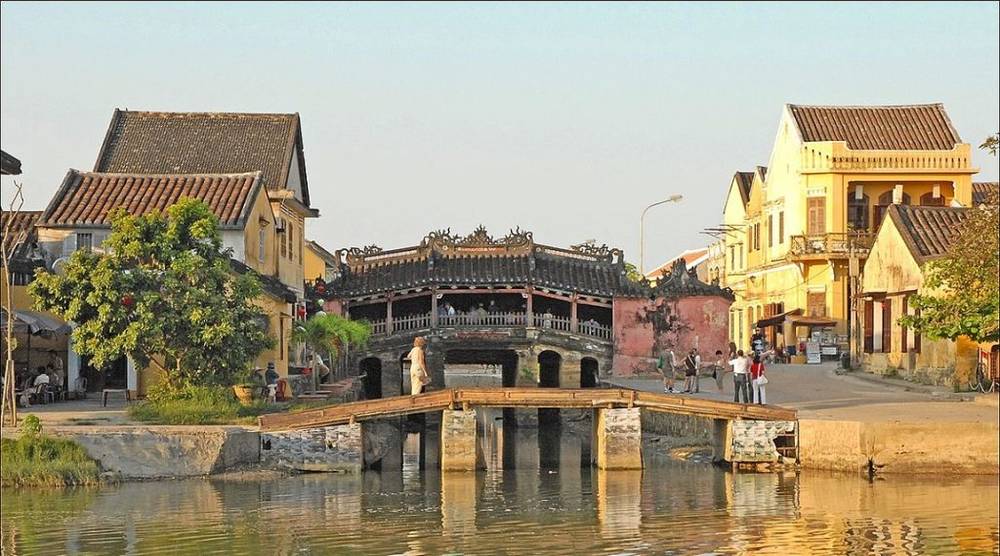
"Step into the heart of Hoi An, where golden streets whisper centuries-old tales, the tranquil Hoai River cradles memories of a glorious trading port, and shimmering lanterns illuminate the traveler's soul."
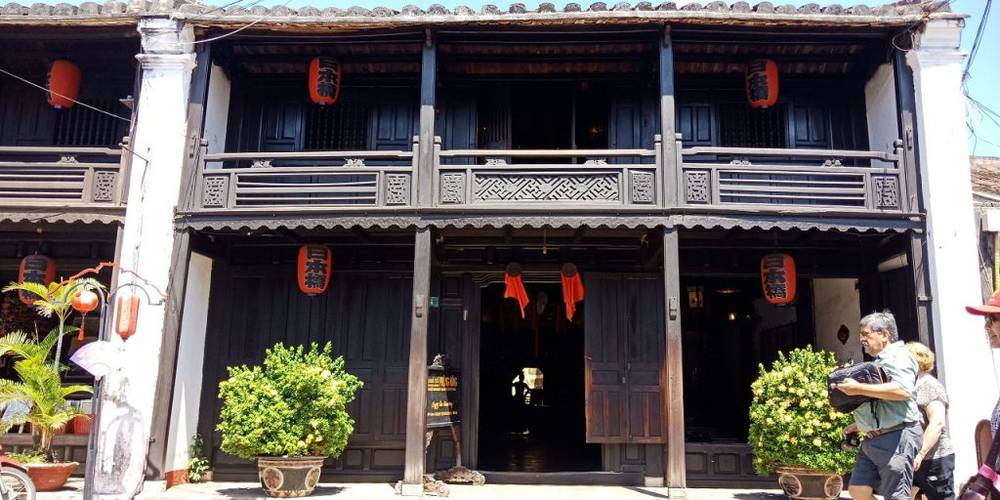
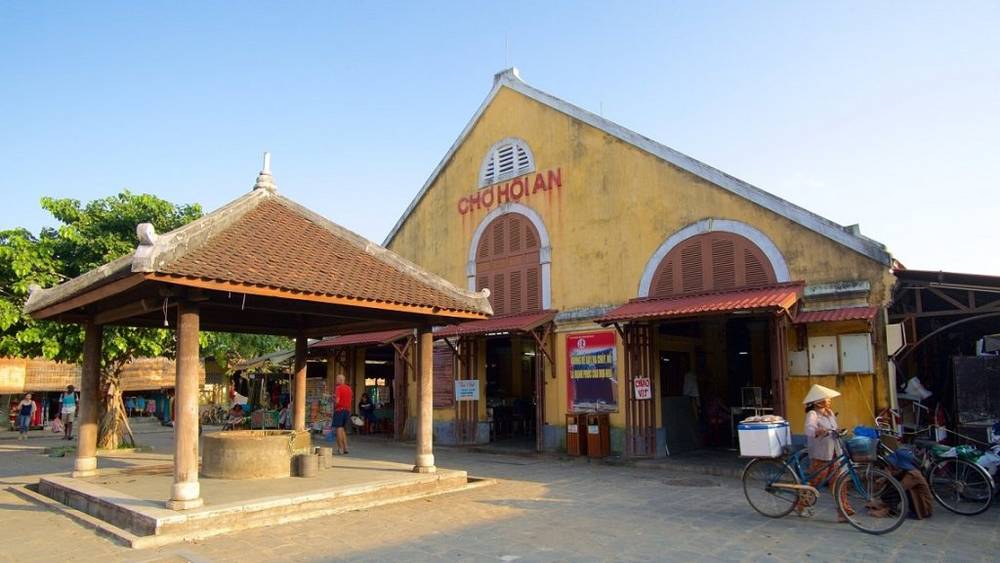
Hoi An Ancient Town is not merely a destination; it's a profound experience, a mesmerizing journey back in time. Every brick, every moss-covered tile roof, every ancient house imbued with the hues of history, murmurs tales of a bustling international trading port, once the most prosperous in Southeast Asia, where Vietnamese culture subtly intertwined with Japanese, Chinese, and Western influences. Visiting Hoi An, you won't just marvel at its unique architecture, but you'll also immerse yourself in a peaceful, romantic ambiance, a place where the soul finds serenity and emotions soar. Join Vietnam Canvas to discover this precious gem of Central Vietnam, where time seems to stand still, and ancient beauty endures forever.
Beauty Through Every Angle





Essential Information
From April to July is the dry season; the weather is comfortable but it's also peak tourist season, so it's advisable to book services in advance.
From August to September, Hoi An begins to enter the rainy season. If you plan to visit during this time, remember to bring an umbrella and check the weather forecast carefully.
- By Plane: The destination is Da Nang International Airport (DAD), approximately 30km from Hoi An. From there, you can easily catch a taxi, bus, or book an airport transfer service to Hoi An.
- By Train: From Hanoi or Ho Chi Minh City, you can choose to take a train to Tra Kieu station (Quang Nam) or Da Nang station, and then continue by car or motorbike to Hoi An.
- By Bus: Many bus routes from Hanoi and Ho Chi Minh City stop in Hoi An, offering an economical and convenient option.
- By Motorbike/Private Car: If you love the freedom of exploration and have experience with long-distance driving, this is an exciting choice. Be sure to thoroughly research your route before departing.
Getting around Hoi An Ancient Town:
- Bicycle: The most ideal way to navigate through narrow alleys and feel the slow pace of life. Many hotels offer free bikes, or you can rent one for about 40,000 VND/day.
- Motorbike: Convenient for exploring further destinations outside the ancient town, with rental prices from 120,000 - 150,000 VND/day.
- Taxi: Suitable if you're traveling in a group or prefer not to drive; always ask for the price before getting in.
- Cyclo: A unique traditional experience to sightsee the ancient town, costing approximately 150,000 VND/hour/cyclo.
- Boat: Don't miss a boat trip on the Thu Bon or Hoai River, especially in the evening to release floating lanterns.
Book in Advance: During peak seasons like Tet (Lunar New Year) or public holidays, Hoi An attracts a large number of visitors. Ensure you've booked your hotel and flight tickets beforehand to avoid sold-out situations or higher prices.
Environmental Protection: Maintain general cleanliness and dispose of trash in designated bins to preserve the ancient beauty of this World Cultural Heritage site.
Morning Experience: Hoi An locals wake up very early to prepare for a new day. Try an early morning stroll at dawn to experience a peaceful, tranquil, and distinctly different Hoi An.
Attire for visiting historical sites: When visiting old houses, assembly halls, and pagodas, it is advisable to wear modest and respectful clothing to show reverence for the local culture.





Essential Information
From April to July is the dry season; the weather is comfortable but it's also peak tourist season, so it's advisable to book services in advance.
From August to September, Hoi An begins to enter the rainy season. If you plan to visit during this time, remember to bring an umbrella and check the weather forecast carefully.
- By Plane: The destination is Da Nang International Airport (DAD), approximately 30km from Hoi An. From there, you can easily catch a taxi, bus, or book an airport transfer service to Hoi An.
- By Train: From Hanoi or Ho Chi Minh City, you can choose to take a train to Tra Kieu station (Quang Nam) or Da Nang station, and then continue by car or motorbike to Hoi An.
- By Bus: Many bus routes from Hanoi and Ho Chi Minh City stop in Hoi An, offering an economical and convenient option.
- By Motorbike/Private Car: If you love the freedom of exploration and have experience with long-distance driving, this is an exciting choice. Be sure to thoroughly research your route before departing.
Getting around Hoi An Ancient Town:
- Bicycle: The most ideal way to navigate through narrow alleys and feel the slow pace of life. Many hotels offer free bikes, or you can rent one for about 40,000 VND/day.
- Motorbike: Convenient for exploring further destinations outside the ancient town, with rental prices from 120,000 - 150,000 VND/day.
- Taxi: Suitable if you're traveling in a group or prefer not to drive; always ask for the price before getting in.
- Cyclo: A unique traditional experience to sightsee the ancient town, costing approximately 150,000 VND/hour/cyclo.
- Boat: Don't miss a boat trip on the Thu Bon or Hoai River, especially in the evening to release floating lanterns.
Book in Advance: During peak seasons like Tet (Lunar New Year) or public holidays, Hoi An attracts a large number of visitors. Ensure you've booked your hotel and flight tickets beforehand to avoid sold-out situations or higher prices.
Environmental Protection: Maintain general cleanliness and dispose of trash in designated bins to preserve the ancient beauty of this World Cultural Heritage site.
Morning Experience: Hoi An locals wake up very early to prepare for a new day. Try an early morning stroll at dawn to experience a peaceful, tranquil, and distinctly different Hoi An.
Attire for visiting historical sites: When visiting old houses, assembly halls, and pagodas, it is advisable to wear modest and respectful clothing to show reverence for the local culture.