
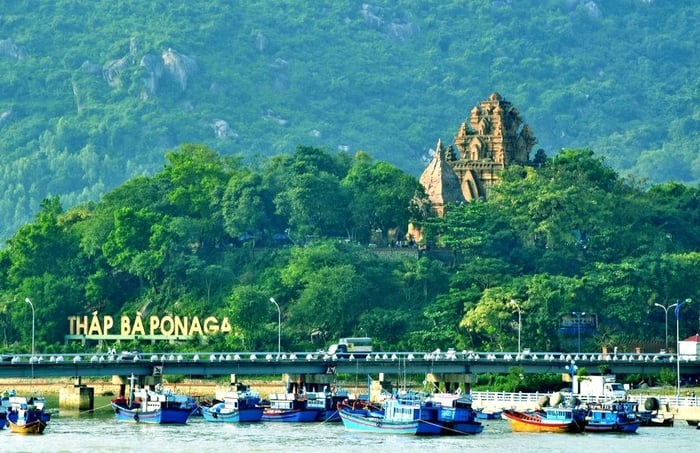
Po Nagar Cham Towers: Where Ancient Spirit Meets Eternal Beauty in Nha Trang
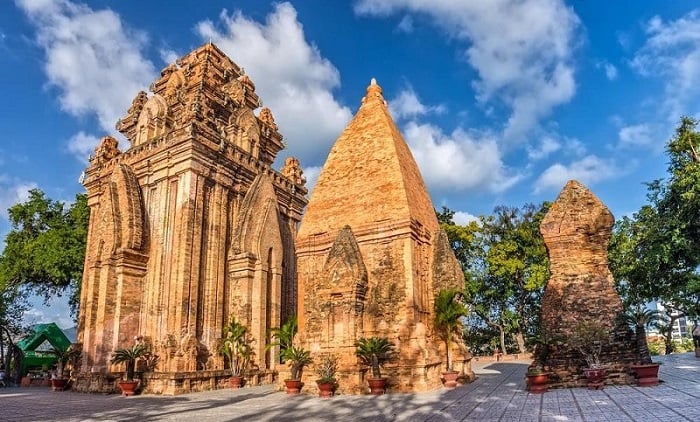
"Standing majestically on Cù Lao Hill, Po Nagar Cham Towers are not merely an ancient relic but a vibrant symbol of the glorious Champa civilization, where time seems to stand still, whispering legendary tales of the Mother of the Land."
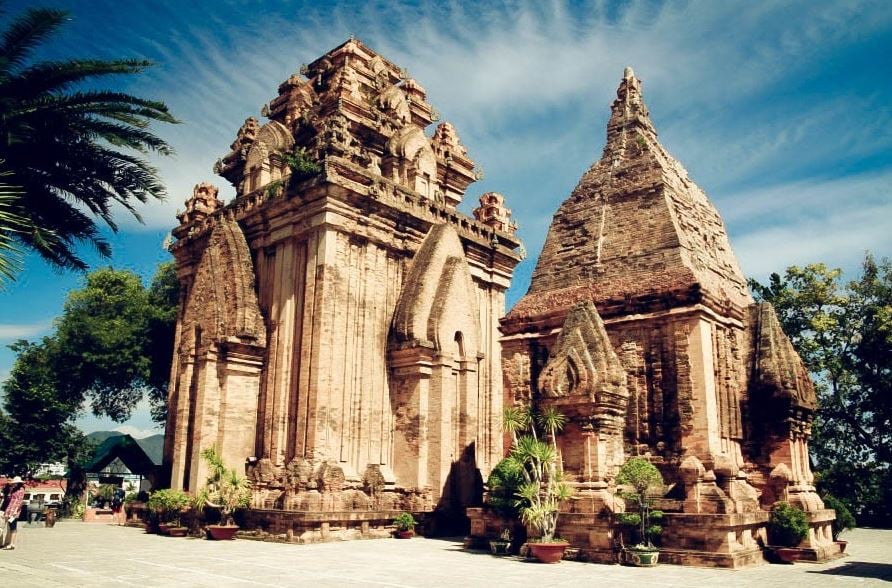
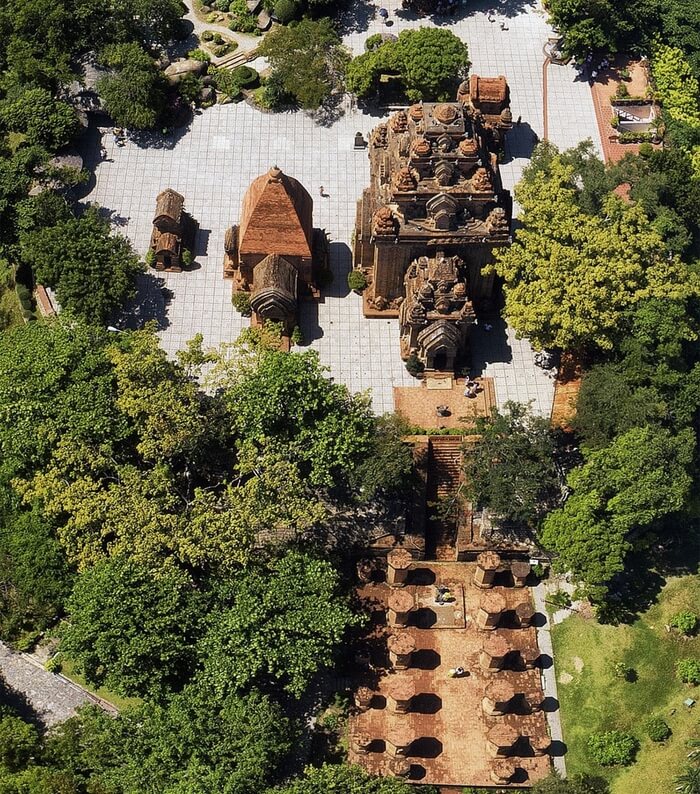
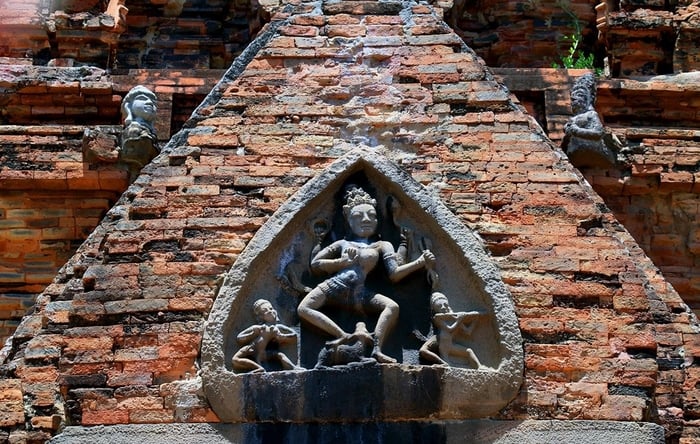
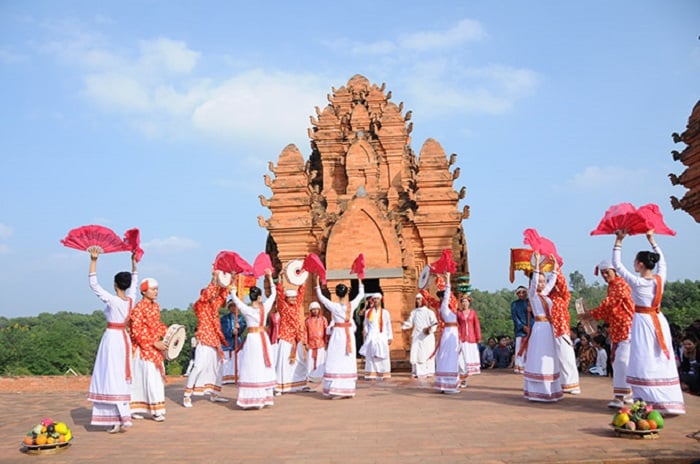
Embarking on a journey to the coastal city of Nha Trang, one discovers an unmissable destination: a complex of architectural marvels that have withstood millennia of change, yet remain awe-inspiring and deeply captivating. These are the Po Nagar Cham Towers, where every brick, every bas-relief, silently recounts a golden past, profound spiritual beliefs, and enduring cultural values. More than just a national historical site, this is a wellspring of spiritual energy, a bridge connecting the present with ancient legends, inviting travelers to pay homage, explore, and immerse themselves in its timeless beauty.
Beauty Through Every Angle
Essential Information
This allows you to avoid the intense Central Vietnamese sun and capture stunning photographs bathed in soft, ethereal light.
Moreover, if you wish to immerse yourself in the vibrant traditional festivals, plan your trip around the 20th to the 23rd day of the third lunar month each year. This is when the grandest festival takes place, brimming with colorful rituals and deep spiritual significance.
You have several transportation options:
- Car or Taxi: The most comfortable and quickest way to reach the site.
- Motorbike: If you prefer freedom to explore and enjoy the coastal route, renting a motorbike is an excellent choice.
- Bus: A cost-effective and readily available public transport option.
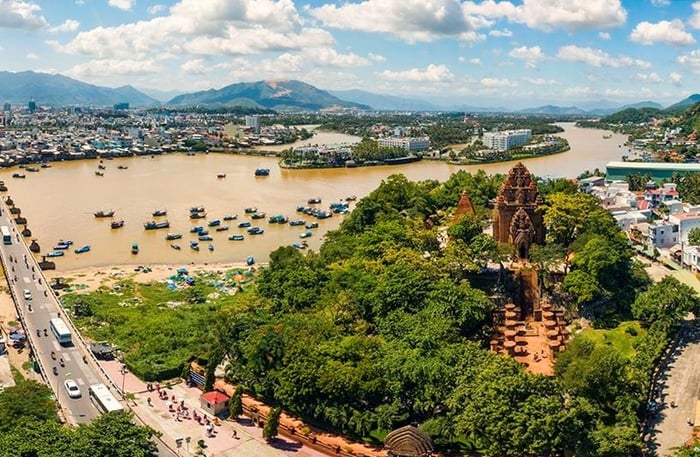
Directions: From the city center, simply follow Trần Phú Street northwards. Cross the Trần Phú Bridge and turn onto Tháp Bà Street. At the end of the road, the ancient architectural complex of Po Nagar Cham Towers will unfold before your eyes.
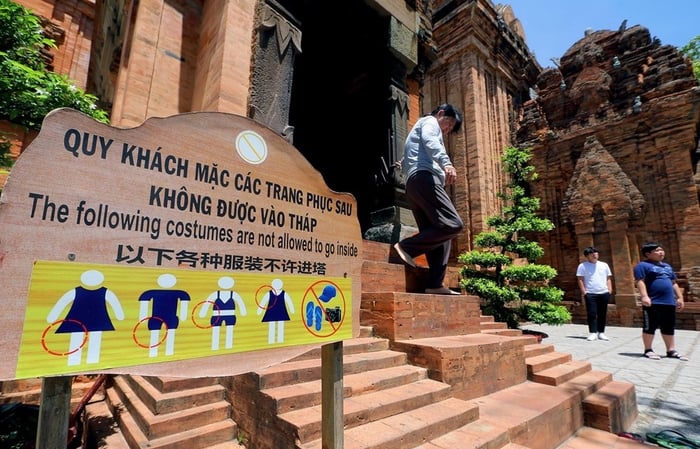
- Personal Essentials: Bring drinking water and a hat/umbrella, as there are many stairs and limited shade, especially on sunny days. Sunscreen and sunglasses are also indispensable companions.
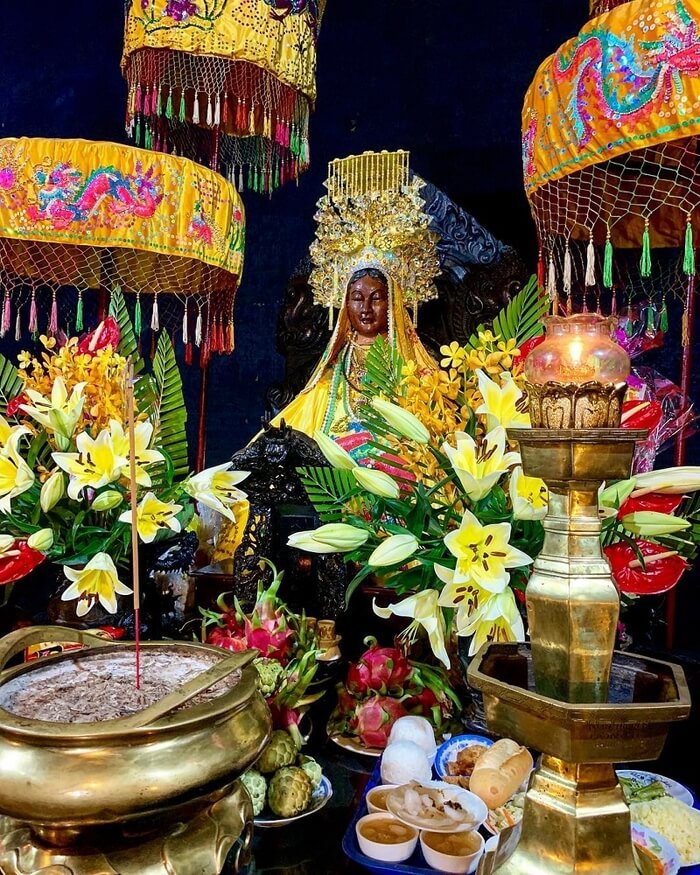
- Preserve the Heritage: Absolutely refrain from making disrespectful comments or remarks concerning the goddess Po Nagar.
- Maintain Cleanliness: Do not bring outside food or drinks into the premises, and avoid eating, drinking, or littering within the complex.
- Do Not Touch Artifacts: Minimize touching the bas-reliefs, statues, or any ancient artifacts to help preserve their original beauty.




Essential Information
This allows you to avoid the intense Central Vietnamese sun and capture stunning photographs bathed in soft, ethereal light.
Moreover, if you wish to immerse yourself in the vibrant traditional festivals, plan your trip around the 20th to the 23rd day of the third lunar month each year. This is when the grandest festival takes place, brimming with colorful rituals and deep spiritual significance.
You have several transportation options:
- Car or Taxi: The most comfortable and quickest way to reach the site.
- Motorbike: If you prefer freedom to explore and enjoy the coastal route, renting a motorbike is an excellent choice.
- Bus: A cost-effective and readily available public transport option.
Directions: From the city center, simply follow Trần Phú Street northwards. Cross the Trần Phú Bridge and turn onto Tháp Bà Street. At the end of the road, the ancient architectural complex of Po Nagar Cham Towers will unfold before your eyes.
- Personal Essentials: Bring drinking water and a hat/umbrella, as there are many stairs and limited shade, especially on sunny days. Sunscreen and sunglasses are also indispensable companions.
- Preserve the Heritage: Absolutely refrain from making disrespectful comments or remarks concerning the goddess Po Nagar.
- Maintain Cleanliness: Do not bring outside food or drinks into the premises, and avoid eating, drinking, or littering within the complex.
- Do Not Touch Artifacts: Minimize touching the bas-reliefs, statues, or any ancient artifacts to help preserve their original beauty.