
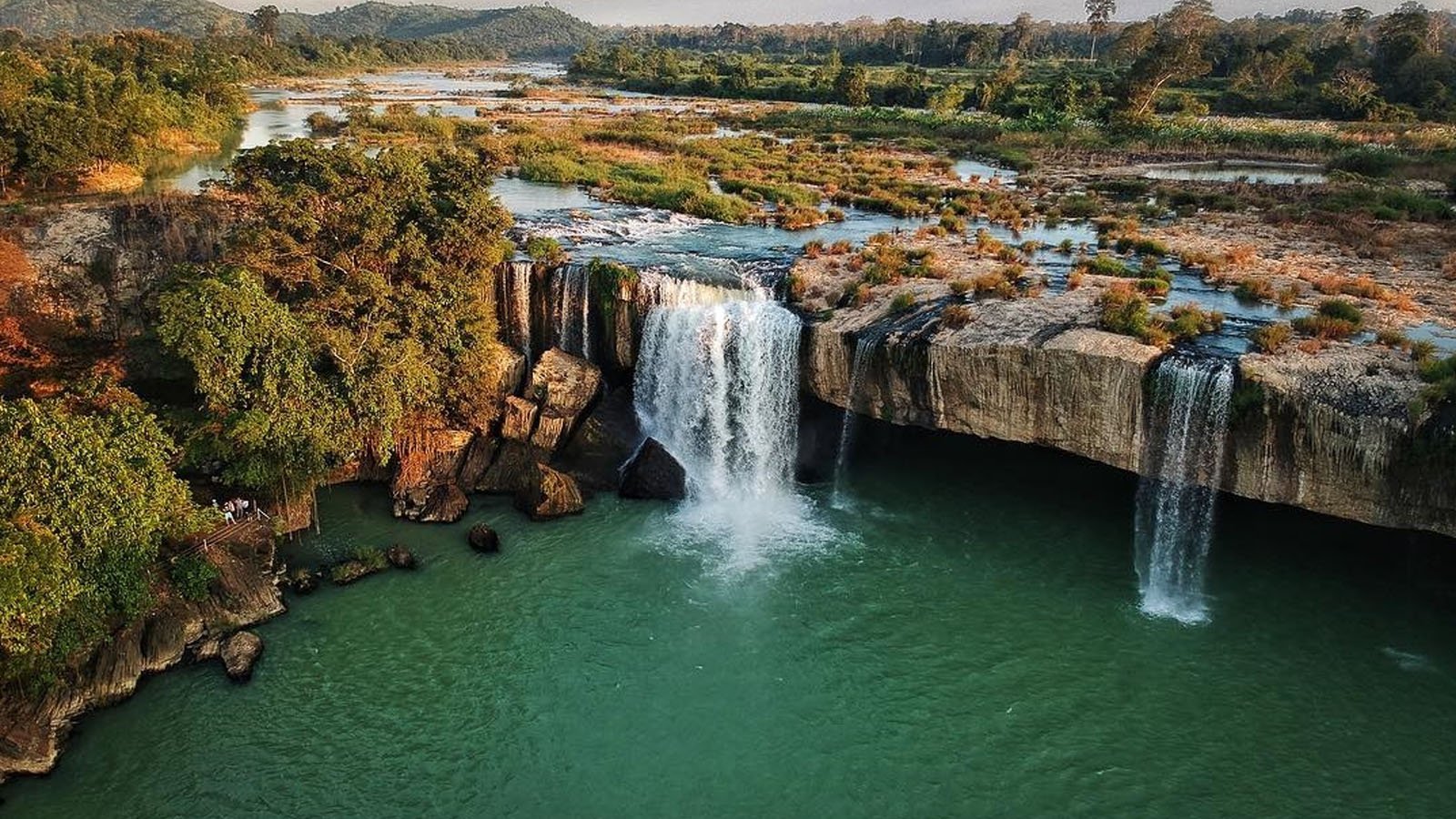
Landscape, nature
Dray Nur - Dray Sap Waterfalls: The Majestic Symphony of the Central Highlands
The Central
5 min read
"Majestic yet poignant, Dray Nur - Dray Sap Waterfalls are the green heart of the Central Highlands, where cascading waters tell an eternal love story and untamed beauty stirs the soul."
Journey to Dray Nur and Dray Sap, twin waterfalls on the legendary Sê-rê-pôk River, where wild, magnificent beauty intertwines with tragic legends, creating a captivating and picturesque landscape. This is not merely a natural wonder, but the very soul of Dak Lak's Central Highlands, inviting adventurous hearts to explore and romantic souls to find peace, listening to the whispers of the mountains and the eternal roar of the falls.
Beauty Through Every Angle
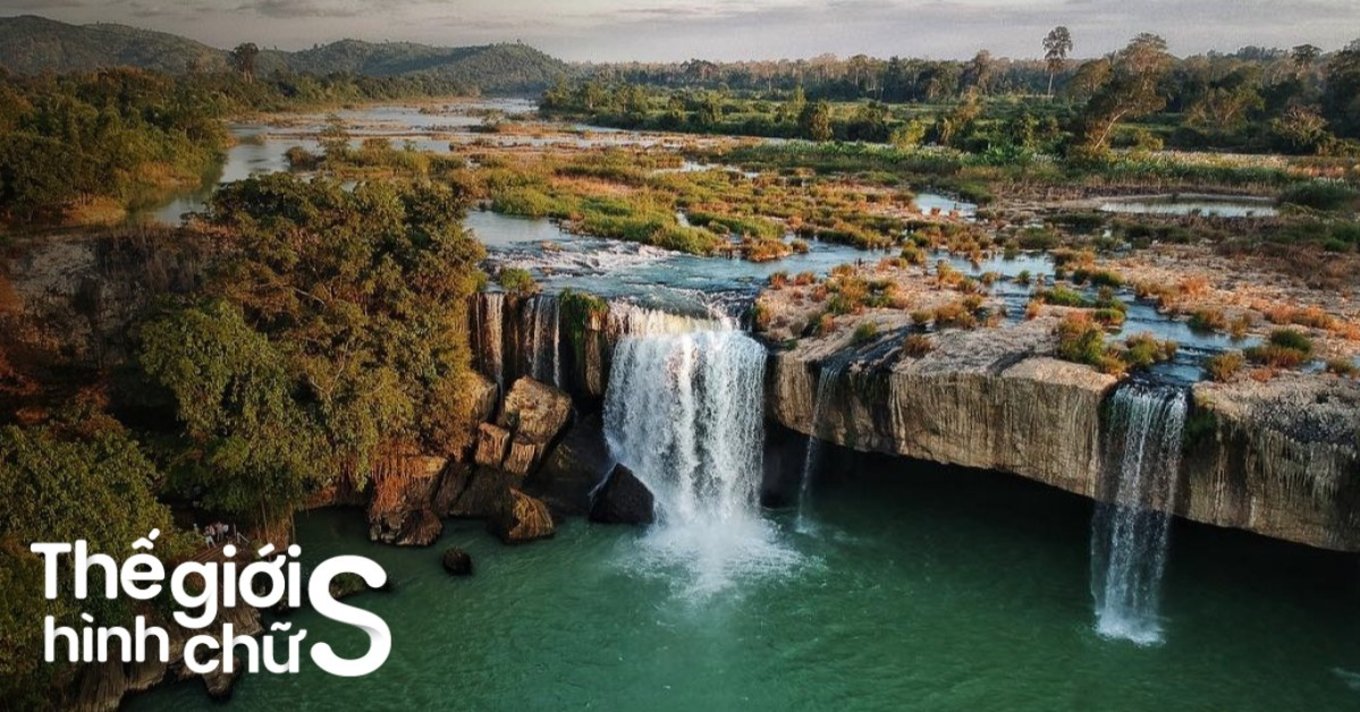
Dray Nur Waterfall, also known as "Wife Waterfall," stands as a majestic symbol of Dak Lak, part of the legendary Sê-rê-pôk River's waterfall system. Stretching over 250m long, cascading from a height of over 30m, and spanning more than 150m wide, this waterfall not only connects the two provinces of Dak Lak and Dak Nong but also marks the confluence of the Krong No and Krong Ana rivers, painting a splendid natural canvas. Dray Nur is the pride of the highland people, intricately linked to poignant love legends, its ceaseless roar echoing like an eternal lament.
Many visitors mistakenly believe Dray Nur and Dray Sap are one, but in reality, they are two distinct waterfalls, born from the legendary Sê-rê-pôk River. The river splits into two branches, creating these two magnificent cascades, only to rejoin downstream. By simply crossing a suspension bridge spanning the Sê-rê-pôk River, visitors can easily admire the twin beauty of both waterfalls, experiencing the captivating differences between the "Wife Waterfall" and the "Husband Waterfall."
Dray Nur Waterfall captivates not only with its natural beauty but also with its deeply emotional legends. One such tale speaks of a young couple deeply in love, whose families forbade their union due to ancient conflicts between their villages. On a cold, moonlit night, they cast themselves into the Sê-rê-pôk River, vowing to be together in another world. In that tragic moment, the Sê-rê-pôk surged, splitting into two branches, Krong Ana and Krong No, giving birth to Dray Nur (Wife Waterfall) and Dray Sap (Husband Waterfall). The cascading waters of Dray Nur are likened to tears shed for their ill-fated love, an eternal, sorrowful ballad of the mountains.
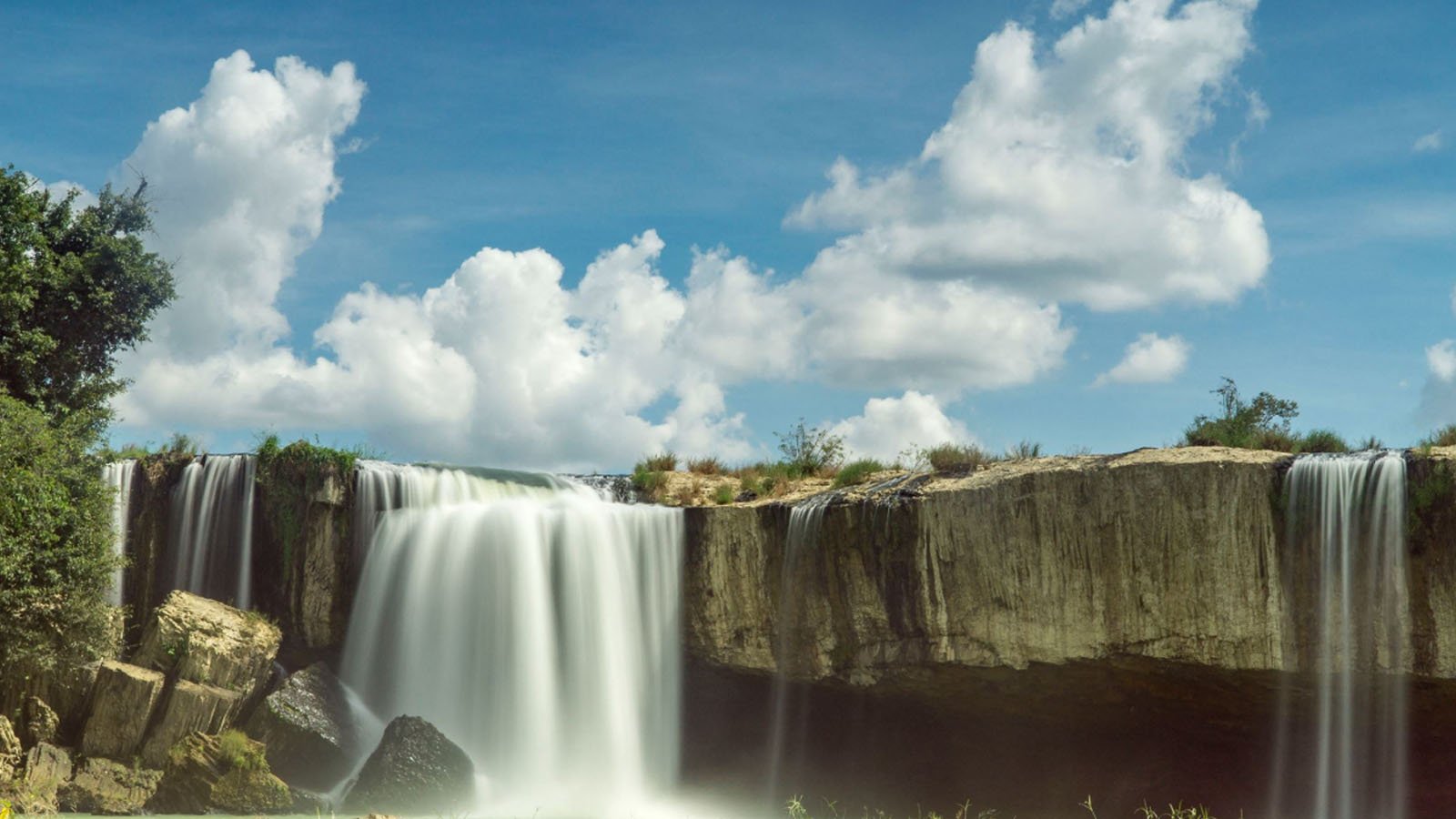
Another legend tells of Prince Nur, son of the Water King, who fell in love with two mortal princesses and helped them. Though life in the human world was good, he longed for his father and transformed into a golden pangolin to visit his homeland. From then on, the waterfall was named Dray Nur – "Golden Pangolin Waterfall," forever linked to the prince's love story and his poignant departure. Regardless of the legend, Dray Nur remains an enduring symbol of love, sorrow, and timeless beauty.
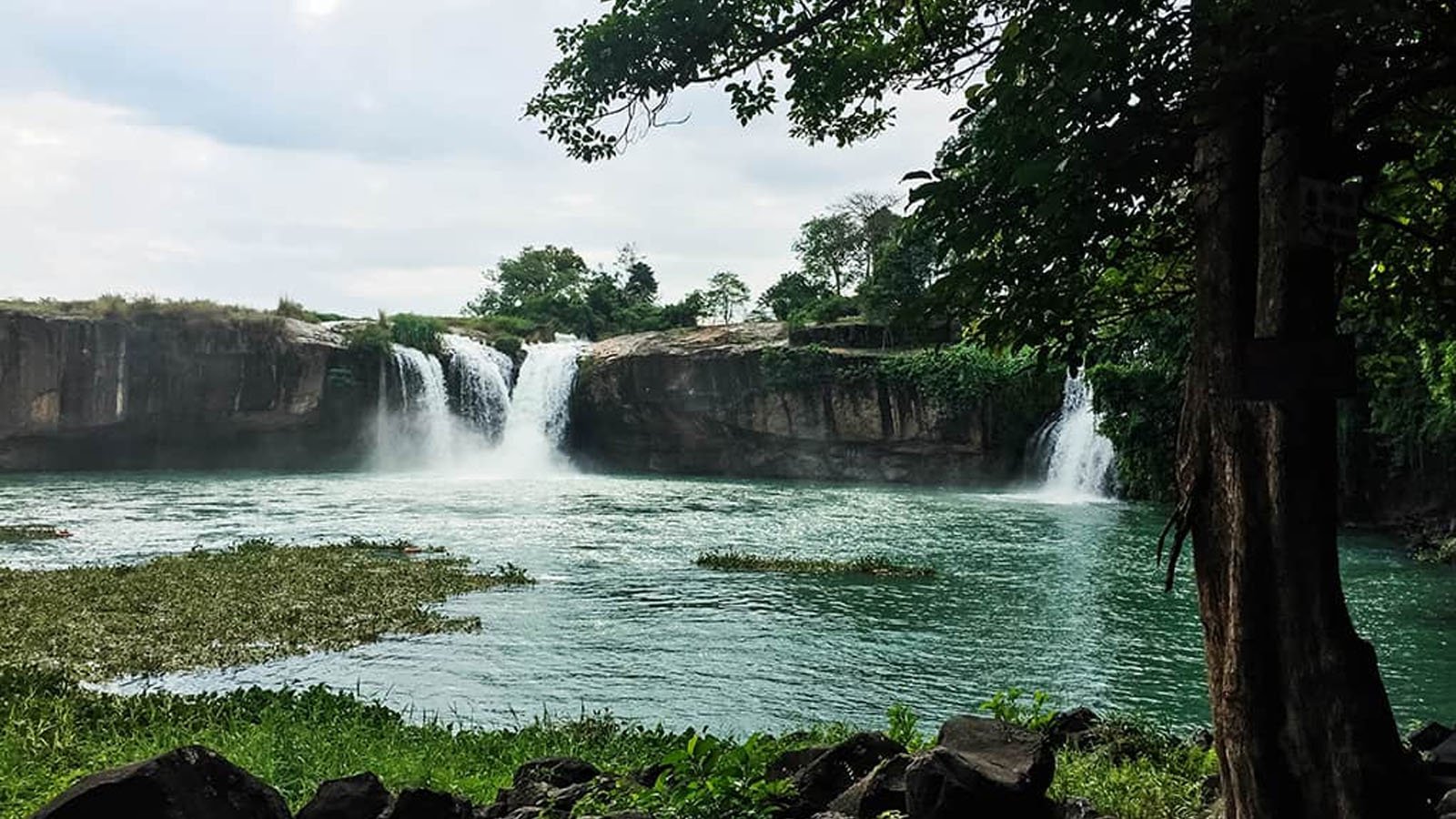
Hidden behind Dray Nur's white curtain of water is a surprisingly vast and mysterious cave, where Prince Nur is said to have visited his father. From the outside, the cave appears modest, but once inside, you'll be awestruck by its nearly 3,000m² expanse, holding countless wonders to explore. The sensation of traversing the powerful, roaring waters to enter the cave is an unforgettable thrill. Rest assured, safety is prioritized; you'll be provided with life vests and guided by professional rescue teams nearby.
The entrance fee to the Dray Nur Waterfall tourist area is currently 30,000 VND per adult, with free admission for children under 1.2m. What's special is that each ticket includes a complimentary cup of delicious coffee, allowing you to admire the scenery while savoring the distinctive taste of the highlands. With this ticket, visitors can freely explore traditional stilt houses, stroll through vibrant flower gardens, experience horseback riding, or cross the suspension bridge to admire Dray Sap Waterfall – the majestic "Husband Waterfall."
At Dray Nur, visitors not only marvel at the waterfall but also immerse themselves in the ancient primary forest. Take a leisurely walk among thousand-year-old trees with colossal trunks and roots, breathe in the fresh air, listen to the chirping birds, and feel the vibrant life of the jungle. This is a wonderful opportunity to rejuvenate, escape the urban hustle, and connect deeply with Mother Nature.
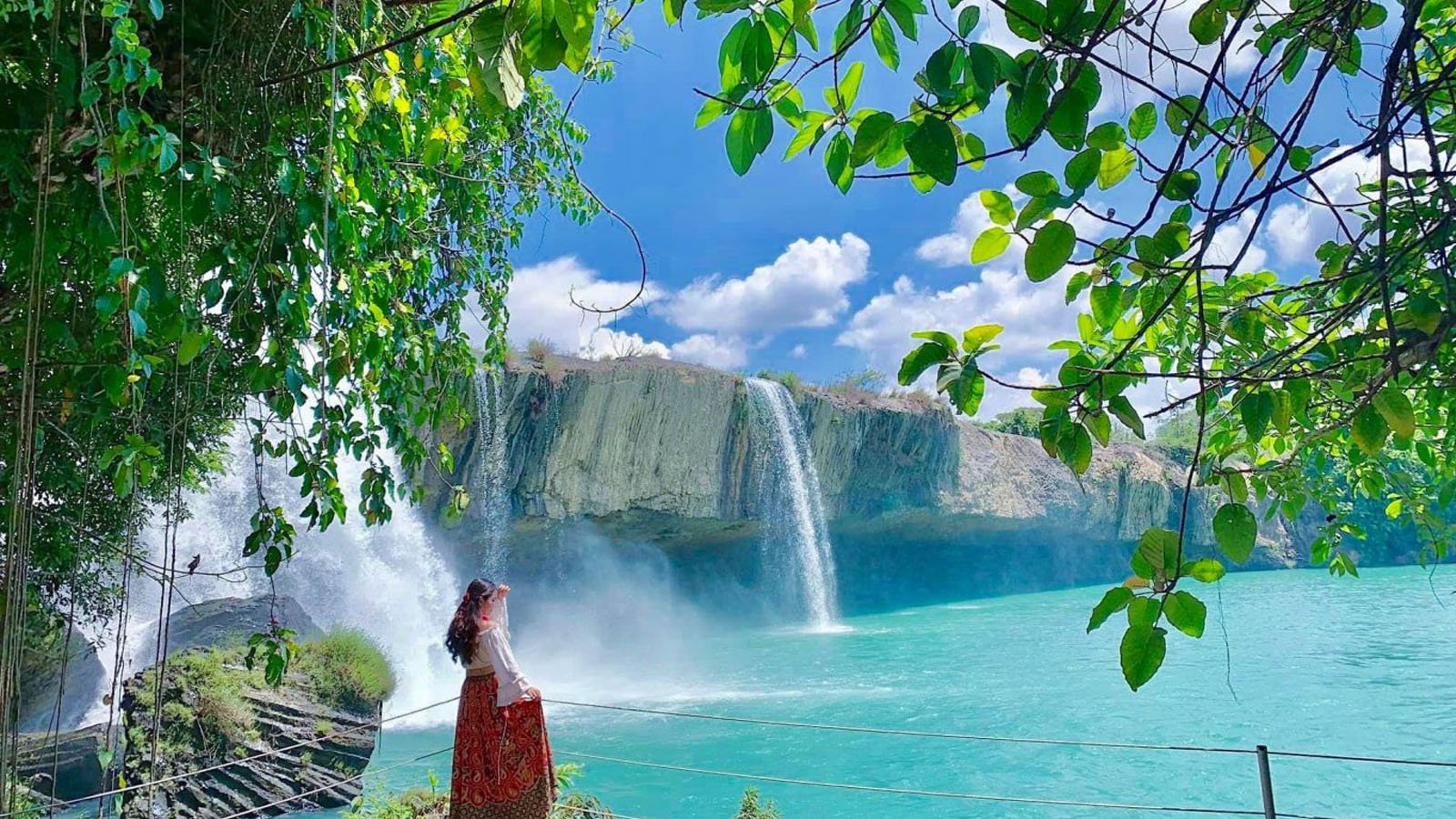
One of the unmissable experiences at Dray Nur is walking across the precarious wooden suspension bridge spanning the river. The swaying, thrilling, yet exhilarating sensation of slowly crossing the bridge will leave a lasting impression. From the bridge, your gaze will sweep across the majestic panorama of the river and mountains, a scene that is both grand and poetic.
For adventure enthusiasts, Dray Nur is an ideal playground. Challenge yourself with group rafting on the mighty Sê-rê-pôk River, navigating small rapids and drifting along the winding currents with local guides. Additionally, hiking and trekking along various trails offer a captivating way to discover the hidden beauty of the Central Highlands' forests, where you'll be enveloped by endless greenery and the secrets of the đại ngàn.
Beyond natural exploration, Dray Nur is also an ideal place to experience local culture. You can learn about the unique gong culture of the Ede ethnic people, enjoy traditional dances, and immerse yourself in the festive atmosphere. Don't forget to sample Central Highlands specialties like grilled chicken with bamboo-tube sticky rice, flavorful grilled snakehead fish with chili salt, and sip on warm traditional can wine – the taste of the highlands will surely enchant you.
Essential Information
Best Time
The ideal time to explore Dray Nur Waterfall is during the dry season, which typically runs from November to April.
During this period, the waterfall's flow is gentler and more serene, allowing visitors to easily access and fully appreciate its enchanting beauty.
December to March is particularly splendid, as the weather is dry, wild sunflowers bloom vibrantly across the Central Highlands, and coffee flowers blanket the hillsides in white, coinciding with many major ethnic festivals.
If you are an adventure seeker yearning to witness the waterfall's most spectacular and powerful display, the rainy season (from May to October) might be your choice. At this time, the falls thunder down with immense force, creating a dramatic, white-foamed spectacle that challenges human courage. However, it's crucial to prioritize safety due to stronger currents and potentially slippery paths.
During this period, the waterfall's flow is gentler and more serene, allowing visitors to easily access and fully appreciate its enchanting beauty.
December to March is particularly splendid, as the weather is dry, wild sunflowers bloom vibrantly across the Central Highlands, and coffee flowers blanket the hillsides in white, coinciding with many major ethnic festivals.
If you are an adventure seeker yearning to witness the waterfall's most spectacular and powerful display, the rainy season (from May to October) might be your choice. At this time, the falls thunder down with immense force, creating a dramatic, white-foamed spectacle that challenges human courage. However, it's crucial to prioritize safety due to stronger currents and potentially slippery paths.
Transportation
To reach Dray Nur Waterfall from the center of Buon Ma Thuot city (approximately 25-26km away), you have several transportation options:
By Motorbike: This is an excellent choice for those who love freedom and enjoy the scenic views along the way.
- Route 1: From the city center, head straight on Le Duan Street, then turn onto To Huu Street. Continue past the Dray Sap Commune People's Committee and drive for another 9km on DT682 road, which will lead you directly to Dray Nur Waterfall.
- Route 2: Follow National Highway 14 (QL14) until you are near Bridge 14, then turn left and drive for about 10km more to reach the Dray Nur, Dray Sap, and Gia Long waterfall complex.
By Bus: If you prefer a more relaxed journey, taking the bus is a convenient option.
- From Buon Ma Thuot city, catch bus route 13 (Buon Ma Thuot - Krong No line) at the Nga Sau Xe Tang bus stop (at the beginning of Nguyen Tat Thanh Street).
- The bus will travel along National Highway 14 and turn onto Provincial Road 684 at Cu Jut, then drop you off right in front of the waterfall's entrance.
Important Note: Dray Nur Waterfall and Dray Sap Waterfall are two distinct waterfalls, although they are located very close to each other and are often mentioned together. The Sê-rê-pôk River splits into two branches to form these two magnificent cascades. They are separated by a suspension bridge across the Sê-rê-pôk River, making it easy to visit both.
By Motorbike: This is an excellent choice for those who love freedom and enjoy the scenic views along the way.
- Route 1: From the city center, head straight on Le Duan Street, then turn onto To Huu Street. Continue past the Dray Sap Commune People's Committee and drive for another 9km on DT682 road, which will lead you directly to Dray Nur Waterfall.
- Route 2: Follow National Highway 14 (QL14) until you are near Bridge 14, then turn left and drive for about 10km more to reach the Dray Nur, Dray Sap, and Gia Long waterfall complex.
By Bus: If you prefer a more relaxed journey, taking the bus is a convenient option.
- From Buon Ma Thuot city, catch bus route 13 (Buon Ma Thuot - Krong No line) at the Nga Sau Xe Tang bus stop (at the beginning of Nguyen Tat Thanh Street).
- The bus will travel along National Highway 14 and turn onto Provincial Road 684 at Cu Jut, then drop you off right in front of the waterfall's entrance.
Important Note: Dray Nur Waterfall and Dray Sap Waterfall are two distinct waterfalls, although they are located very close to each other and are often mentioned together. The Sê-rê-pôk River splits into two branches to form these two magnificent cascades. They are separated by a suspension bridge across the Sê-rê-pôk River, making it easy to visit both.
Tips
Pack appropriate attire: Bring comfortable, easy-to-move-in clothing, and swimwear if you plan to bathe under the cool waterfall. Don't forget good walking shoes or non-slip sandals for exploring the terrain.
Protect yourself from sun and insects: The Central Highlands can have intense sunlight, so pack sunscreen, a wide-brimmed hat, and sunglasses. If you intend to explore the primary forest, insect repellent is essential.
Prioritize safety when exploring the cave: If you decide to 'lift the curtain of water' to enter the mysterious cave behind the waterfall, always wear a life vest and strictly follow the instructions of the professional rescue team. Your safety is paramount.
Be cautious on the suspension bridge: The suspension bridge connecting the two banks of the Sê-rê-pôk River offers an exciting experience but requires caution, especially during the rainy season when it can be slippery.
Carry cash: The entrance fee for Dray Nur Waterfall is 30,000 VND/adult (free for children under 1.2m) and includes a delicious cup of coffee. It's advisable to have cash for tickets and other small expenses like souvenirs or local snacks.
Don't miss the local cuisine: The Central Highlands is famous for its unique dishes. Be sure to try grilled chicken with bamboo-tube sticky rice (com lam), flavorful grilled snakehead fish with chili salt (ca lang nuong muoi ot), and sip on traditional can wine (ruou can) to fully savor the region's distinct flavors.
Combine with nearby attractions: Take advantage of Dray Nur's convenient location to explore the Buon Kuop Hydropower Lake (also known as Blue Stone Lake), the World Coffee Museum in Buon Ma Thuot, or the Dak Nong Geopark to make your journey even more enriching and memorable.
Protect yourself from sun and insects: The Central Highlands can have intense sunlight, so pack sunscreen, a wide-brimmed hat, and sunglasses. If you intend to explore the primary forest, insect repellent is essential.
Prioritize safety when exploring the cave: If you decide to 'lift the curtain of water' to enter the mysterious cave behind the waterfall, always wear a life vest and strictly follow the instructions of the professional rescue team. Your safety is paramount.
Be cautious on the suspension bridge: The suspension bridge connecting the two banks of the Sê-rê-pôk River offers an exciting experience but requires caution, especially during the rainy season when it can be slippery.
Carry cash: The entrance fee for Dray Nur Waterfall is 30,000 VND/adult (free for children under 1.2m) and includes a delicious cup of coffee. It's advisable to have cash for tickets and other small expenses like souvenirs or local snacks.
Don't miss the local cuisine: The Central Highlands is famous for its unique dishes. Be sure to try grilled chicken with bamboo-tube sticky rice (com lam), flavorful grilled snakehead fish with chili salt (ca lang nuong muoi ot), and sip on traditional can wine (ruou can) to fully savor the region's distinct flavors.
Combine with nearby attractions: Take advantage of Dray Nur's convenient location to explore the Buon Kuop Hydropower Lake (also known as Blue Stone Lake), the World Coffee Museum in Buon Ma Thuot, or the Dak Nong Geopark to make your journey even more enriching and memorable.
Specialties




Essential Information
Best Time
The ideal time to explore Dray Nur Waterfall is during the dry season, which typically runs from November to April.
During this period, the waterfall's flow is gentler and more serene, allowing visitors to easily access and fully appreciate its enchanting beauty.
December to March is particularly splendid, as the weather is dry, wild sunflowers bloom vibrantly across the Central Highlands, and coffee flowers blanket the hillsides in white, coinciding with many major ethnic festivals.
If you are an adventure seeker yearning to witness the waterfall's most spectacular and powerful display, the rainy season (from May to October) might be your choice. At this time, the falls thunder down with immense force, creating a dramatic, white-foamed spectacle that challenges human courage. However, it's crucial to prioritize safety due to stronger currents and potentially slippery paths.
During this period, the waterfall's flow is gentler and more serene, allowing visitors to easily access and fully appreciate its enchanting beauty.
December to March is particularly splendid, as the weather is dry, wild sunflowers bloom vibrantly across the Central Highlands, and coffee flowers blanket the hillsides in white, coinciding with many major ethnic festivals.
If you are an adventure seeker yearning to witness the waterfall's most spectacular and powerful display, the rainy season (from May to October) might be your choice. At this time, the falls thunder down with immense force, creating a dramatic, white-foamed spectacle that challenges human courage. However, it's crucial to prioritize safety due to stronger currents and potentially slippery paths.
Transportation
To reach Dray Nur Waterfall from the center of Buon Ma Thuot city (approximately 25-26km away), you have several transportation options:
By Motorbike: This is an excellent choice for those who love freedom and enjoy the scenic views along the way.
- Route 1: From the city center, head straight on Le Duan Street, then turn onto To Huu Street. Continue past the Dray Sap Commune People's Committee and drive for another 9km on DT682 road, which will lead you directly to Dray Nur Waterfall.
- Route 2: Follow National Highway 14 (QL14) until you are near Bridge 14, then turn left and drive for about 10km more to reach the Dray Nur, Dray Sap, and Gia Long waterfall complex.
By Bus: If you prefer a more relaxed journey, taking the bus is a convenient option.
- From Buon Ma Thuot city, catch bus route 13 (Buon Ma Thuot - Krong No line) at the Nga Sau Xe Tang bus stop (at the beginning of Nguyen Tat Thanh Street).
- The bus will travel along National Highway 14 and turn onto Provincial Road 684 at Cu Jut, then drop you off right in front of the waterfall's entrance.
Important Note: Dray Nur Waterfall and Dray Sap Waterfall are two distinct waterfalls, although they are located very close to each other and are often mentioned together. The Sê-rê-pôk River splits into two branches to form these two magnificent cascades. They are separated by a suspension bridge across the Sê-rê-pôk River, making it easy to visit both.
By Motorbike: This is an excellent choice for those who love freedom and enjoy the scenic views along the way.
- Route 1: From the city center, head straight on Le Duan Street, then turn onto To Huu Street. Continue past the Dray Sap Commune People's Committee and drive for another 9km on DT682 road, which will lead you directly to Dray Nur Waterfall.
- Route 2: Follow National Highway 14 (QL14) until you are near Bridge 14, then turn left and drive for about 10km more to reach the Dray Nur, Dray Sap, and Gia Long waterfall complex.
By Bus: If you prefer a more relaxed journey, taking the bus is a convenient option.
- From Buon Ma Thuot city, catch bus route 13 (Buon Ma Thuot - Krong No line) at the Nga Sau Xe Tang bus stop (at the beginning of Nguyen Tat Thanh Street).
- The bus will travel along National Highway 14 and turn onto Provincial Road 684 at Cu Jut, then drop you off right in front of the waterfall's entrance.
Important Note: Dray Nur Waterfall and Dray Sap Waterfall are two distinct waterfalls, although they are located very close to each other and are often mentioned together. The Sê-rê-pôk River splits into two branches to form these two magnificent cascades. They are separated by a suspension bridge across the Sê-rê-pôk River, making it easy to visit both.
Tips
Pack appropriate attire: Bring comfortable, easy-to-move-in clothing, and swimwear if you plan to bathe under the cool waterfall. Don't forget good walking shoes or non-slip sandals for exploring the terrain.
Protect yourself from sun and insects: The Central Highlands can have intense sunlight, so pack sunscreen, a wide-brimmed hat, and sunglasses. If you intend to explore the primary forest, insect repellent is essential.
Prioritize safety when exploring the cave: If you decide to 'lift the curtain of water' to enter the mysterious cave behind the waterfall, always wear a life vest and strictly follow the instructions of the professional rescue team. Your safety is paramount.
Be cautious on the suspension bridge: The suspension bridge connecting the two banks of the Sê-rê-pôk River offers an exciting experience but requires caution, especially during the rainy season when it can be slippery.
Carry cash: The entrance fee for Dray Nur Waterfall is 30,000 VND/adult (free for children under 1.2m) and includes a delicious cup of coffee. It's advisable to have cash for tickets and other small expenses like souvenirs or local snacks.
Don't miss the local cuisine: The Central Highlands is famous for its unique dishes. Be sure to try grilled chicken with bamboo-tube sticky rice (com lam), flavorful grilled snakehead fish with chili salt (ca lang nuong muoi ot), and sip on traditional can wine (ruou can) to fully savor the region's distinct flavors.
Combine with nearby attractions: Take advantage of Dray Nur's convenient location to explore the Buon Kuop Hydropower Lake (also known as Blue Stone Lake), the World Coffee Museum in Buon Ma Thuot, or the Dak Nong Geopark to make your journey even more enriching and memorable.
Protect yourself from sun and insects: The Central Highlands can have intense sunlight, so pack sunscreen, a wide-brimmed hat, and sunglasses. If you intend to explore the primary forest, insect repellent is essential.
Prioritize safety when exploring the cave: If you decide to 'lift the curtain of water' to enter the mysterious cave behind the waterfall, always wear a life vest and strictly follow the instructions of the professional rescue team. Your safety is paramount.
Be cautious on the suspension bridge: The suspension bridge connecting the two banks of the Sê-rê-pôk River offers an exciting experience but requires caution, especially during the rainy season when it can be slippery.
Carry cash: The entrance fee for Dray Nur Waterfall is 30,000 VND/adult (free for children under 1.2m) and includes a delicious cup of coffee. It's advisable to have cash for tickets and other small expenses like souvenirs or local snacks.
Don't miss the local cuisine: The Central Highlands is famous for its unique dishes. Be sure to try grilled chicken with bamboo-tube sticky rice (com lam), flavorful grilled snakehead fish with chili salt (ca lang nuong muoi ot), and sip on traditional can wine (ruou can) to fully savor the region's distinct flavors.
Combine with nearby attractions: Take advantage of Dray Nur's convenient location to explore the Buon Kuop Hydropower Lake (also known as Blue Stone Lake), the World Coffee Museum in Buon Ma Thuot, or the Dak Nong Geopark to make your journey even more enriching and memorable.