
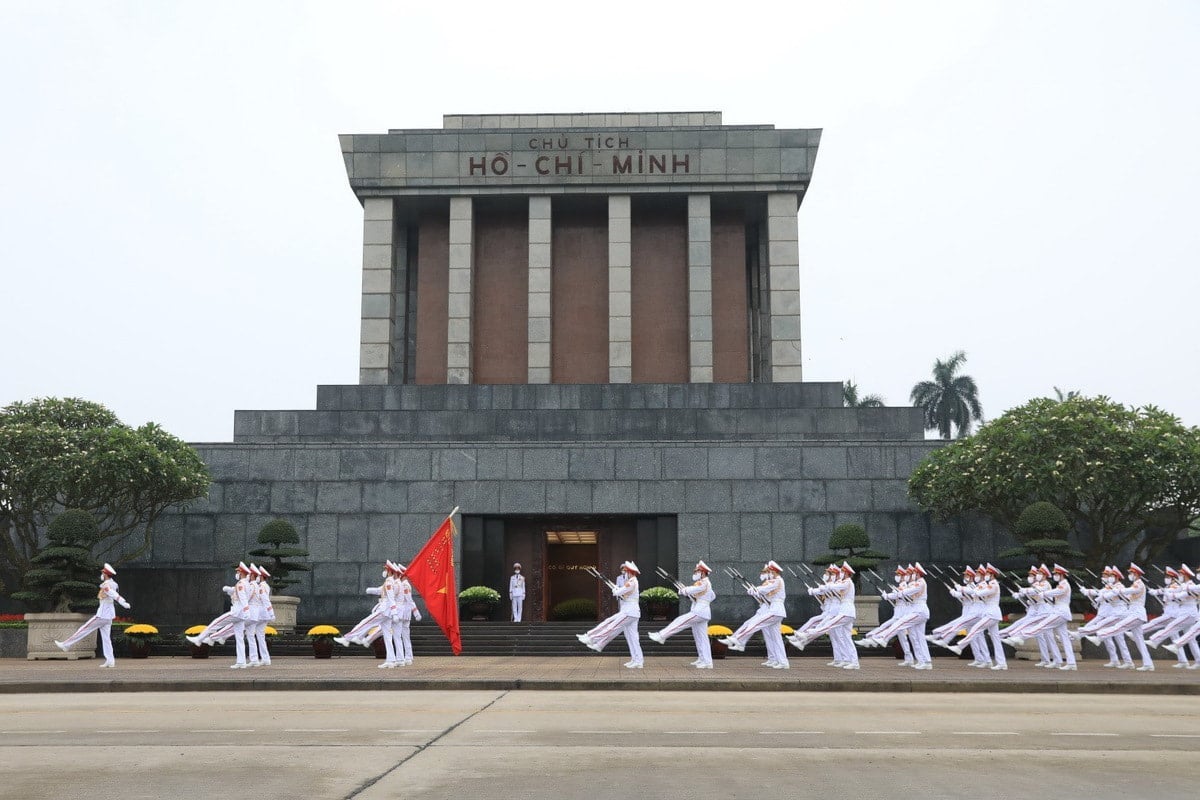
Ho Chi Minh Mausoleum: A Sacred Memory and Vietnam's Undying Heart
"Embark on a profound journey to the Ho Chi Minh Mausoleum, a solemn symbol of respect and national pride nestled in the heart of Hanoi, honoring the great leader."
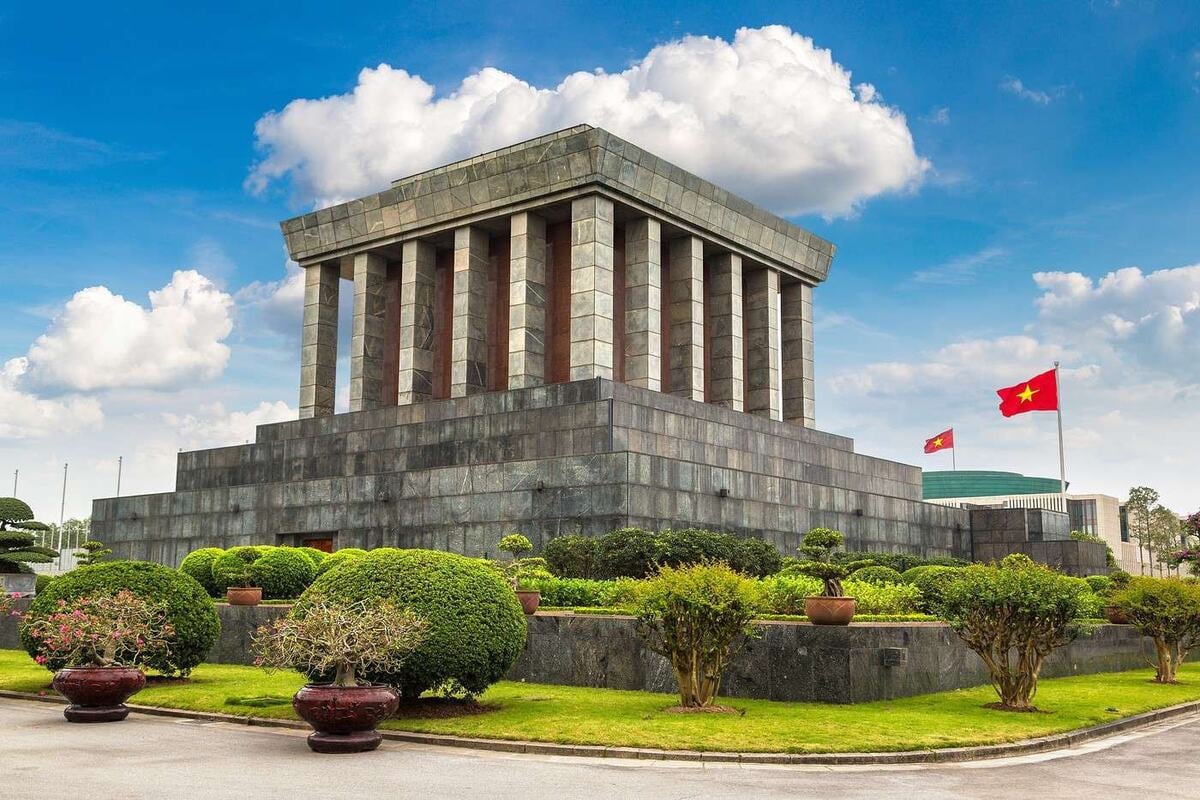
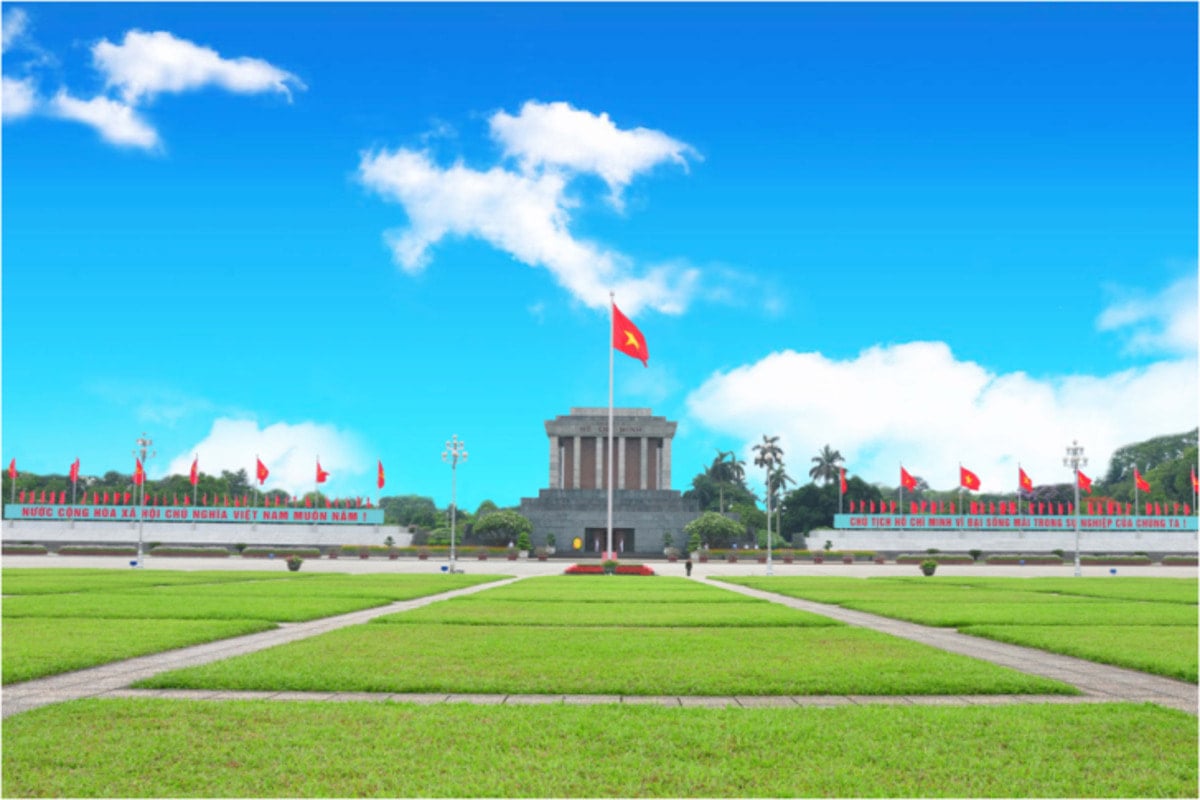
In the beating heart of Hanoi, the Ho Chi Minh Mausoleum stands not merely as an architectural marvel but as a sacred emblem, embodying the profound affections of millions of Vietnamese people. From the historic Ba Dinh Square, where Uncle Ho declared Vietnam's independence, to the majestic Mausoleum itself, every corner whispers tales of valor and enduring legacy. A visit here is a pilgrimage to the roots, a heartfelt tribute to the immense contributions of the nation's beloved leader, offering a deeper understanding of Vietnam's rich history and vibrant culture. Join Vietnam Canvas as we prepare for this meaningful journey, where the past converges with the present, and emotions resonate in every poignant moment.
Beauty Through Every Angle
Essential Information
The Ho Chi Minh Mausoleum is open during morning hours on the following days:
Tuesday, Wednesday, Thursday:
- Summer (April 1st - October 31st): 7:30 AM - 10:30 AM
- Winter (November 1st - March 31st): 8:00 AM - 11:00 AM
Saturday, Sunday:
- Summer (April 1st - October 31st): 7:30 AM - 11:00 AM
- Winter (November 1st - March 31st): 8:00 AM - 11:30 AM
Important Notes:
- Monday and Friday: The Mausoleum is closed for regular maintenance.
- Major Holidays: (e.g., Lunar New Year's Day, May 19th - Uncle Ho's birthday, September 2nd - National Day) If these holidays fall on a Monday or Friday, the Mausoleum will still open to welcome visitors.
- Arrive Early: It is highly recommended to arrive early to avoid long queues, especially on weekends and holidays.
Private Vehicles (Cars, Motorbikes):
- Routes: From central Hanoi, you can take various routes. One option is to follow Trang Thi Street, turn onto Dien Bien Phu Street, and continue straight to Ba Dinh Square. Another route involves crossing the Nga Tu So overpass, turning onto Duong Lang, then following Yen Lang - Hoang Cau - Hao Nam - Giang Vo - Nguyen Thai Hoc, and finally reaching Hung Vuong Street which leads to the Mausoleum.
- Parking Areas: Several public and private parking lots are available around the Mausoleum area:
- Ong Ich Khiem Street (opposite the Mausoleum Command).
- Ngoc Ha Street (near the main gate of the Mausoleum).
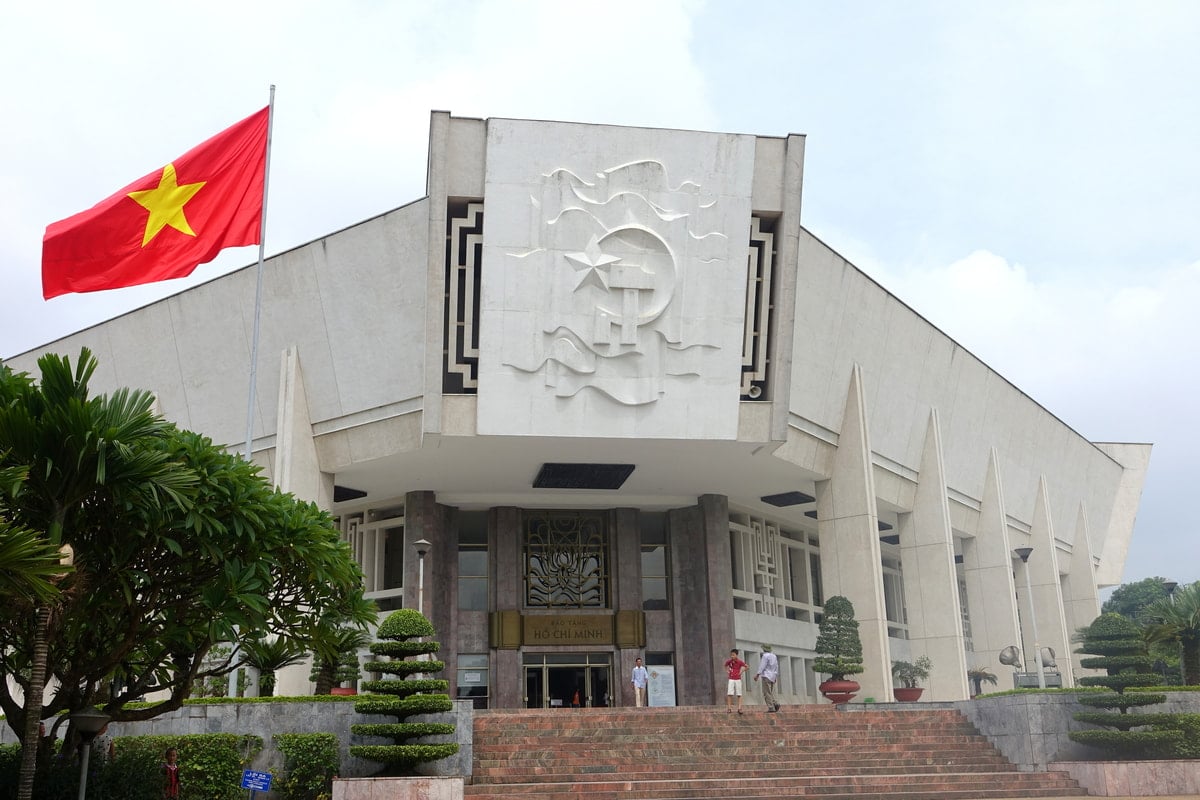
- Ho Chi Minh Museum grounds (19A, 19B Ngoc Ha Street).
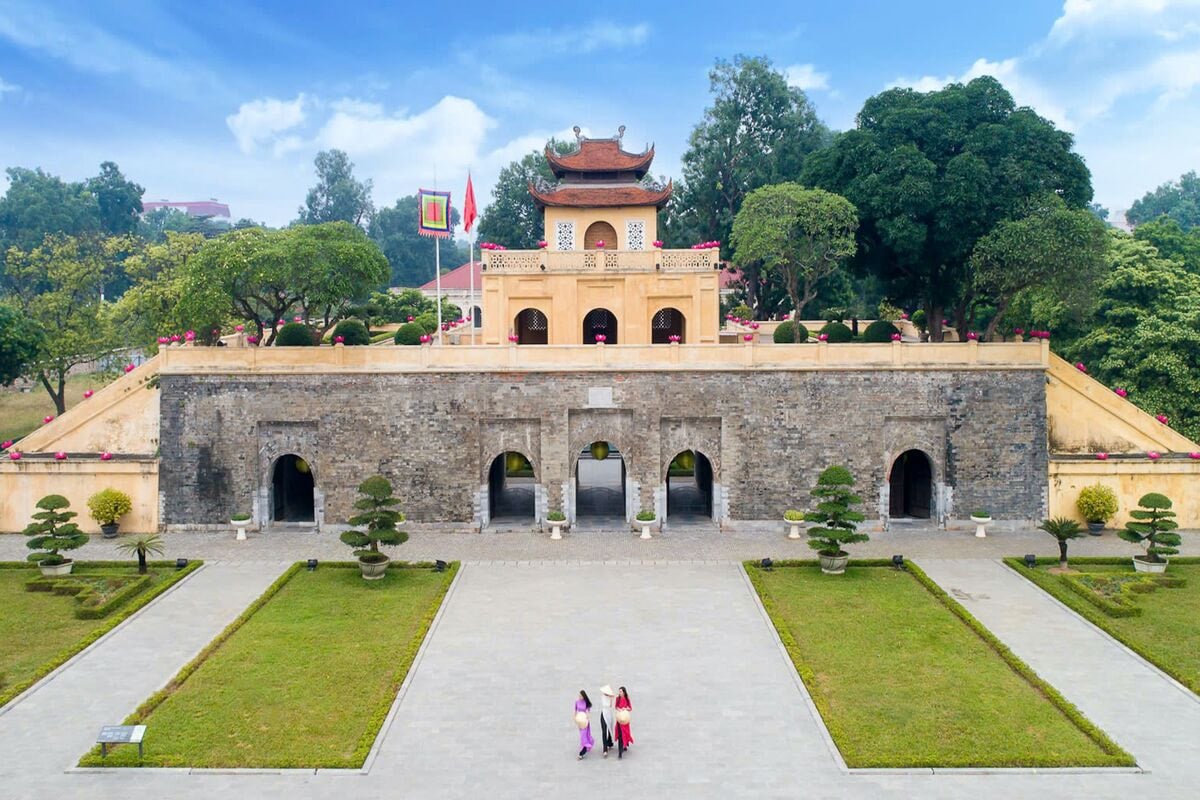
- Parking lot at Thang Long Imperial Citadel Center (19C Hoang Dieu).
Public Transportation (Buses):
This is an economical and environmentally friendly option, with numerous public bus routes passing through the Mausoleum area:
- Bus Routes: Numbers 09, 18, 22, 23, 33, 45, 50.
- Closest Bus Stop: 18A Le Hong Phong.
- From Noi Bai Airport: You can take bus route 86 (Noi Bai – Hanoi Railway Station), which also passes through the Mausoleum vicinity.
- Unique Experience: You can also experience the Hanoi City Tour double-decker bus, which starts from the Vietnam Military History Museum and makes a stop at the Ho Chi Minh Mausoleum.
- Maintain a serious and respectful demeanor, showing gratitude and reverence for President Ho Chi Minh.
- Keep quiet, avoid loud conversations, laughing, or pushing and shoving within the Mausoleum area.
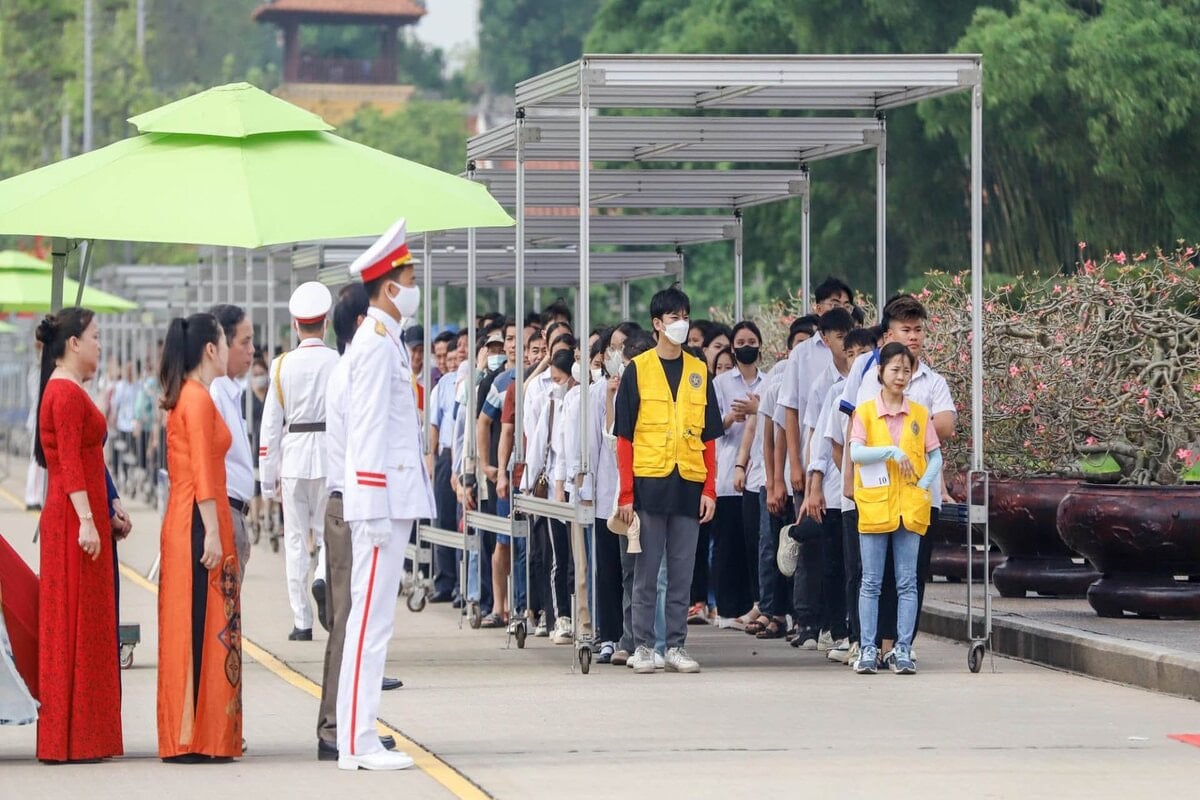
- Queue in an orderly manner, follow the instructions of the security staff and adhere to the designated lines.
- Absolutely do not put hands in pockets, eat, or smoke within the Mausoleum grounds.
Items to bring during your visit:
- Permitted items: Wallet, mobile phone (turned off or on silent mode), small camera (turned off and not to be used inside the Mausoleum).
- Prohibited items include: Professional cameras, camcorders, recording devices, sharp objects (knives, scissors, metal objects), flammable explosives, food, and beverages.
- Storage Area: At the designated storage area, you will be required to deposit any items not permitted inside the Mausoleum.
Regarding photography at the Mausoleum:
- Strictly no photography or videography inside the Ho Chi Minh Mausoleum, especially in the area where Uncle Ho's body rests. This is a strict regulation and must be adhered to absolutely.
- Even in Ba Dinh Square, you should limit taking photos too close to the Mausoleum or at angles that could be misinterpreted as photographing the Mausoleum itself.
For children visiting the Mausoleum:
- Children under 3 years old are not permitted inside the Mausoleum.
- Older children need to be reminded about appropriate behavior and conduct in the solemn space of the Mausoleum.
Specialties

Essential Information
The Ho Chi Minh Mausoleum is open during morning hours on the following days:
Tuesday, Wednesday, Thursday:
- Summer (April 1st - October 31st): 7:30 AM - 10:30 AM
- Winter (November 1st - March 31st): 8:00 AM - 11:00 AM
Saturday, Sunday:
- Summer (April 1st - October 31st): 7:30 AM - 11:00 AM
- Winter (November 1st - March 31st): 8:00 AM - 11:30 AM
Important Notes:
- Monday and Friday: The Mausoleum is closed for regular maintenance.
- Major Holidays: (e.g., Lunar New Year's Day, May 19th - Uncle Ho's birthday, September 2nd - National Day) If these holidays fall on a Monday or Friday, the Mausoleum will still open to welcome visitors.
- Arrive Early: It is highly recommended to arrive early to avoid long queues, especially on weekends and holidays.
Private Vehicles (Cars, Motorbikes):
- Routes: From central Hanoi, you can take various routes. One option is to follow Trang Thi Street, turn onto Dien Bien Phu Street, and continue straight to Ba Dinh Square. Another route involves crossing the Nga Tu So overpass, turning onto Duong Lang, then following Yen Lang - Hoang Cau - Hao Nam - Giang Vo - Nguyen Thai Hoc, and finally reaching Hung Vuong Street which leads to the Mausoleum.
- Parking Areas: Several public and private parking lots are available around the Mausoleum area:
- Ong Ich Khiem Street (opposite the Mausoleum Command).
- Ngoc Ha Street (near the main gate of the Mausoleum).
- Ho Chi Minh Museum grounds (19A, 19B Ngoc Ha Street).
- Parking lot at Thang Long Imperial Citadel Center (19C Hoang Dieu).
Public Transportation (Buses):
This is an economical and environmentally friendly option, with numerous public bus routes passing through the Mausoleum area:
- Bus Routes: Numbers 09, 18, 22, 23, 33, 45, 50.
- Closest Bus Stop: 18A Le Hong Phong.
- From Noi Bai Airport: You can take bus route 86 (Noi Bai – Hanoi Railway Station), which also passes through the Mausoleum vicinity.
- Unique Experience: You can also experience the Hanoi City Tour double-decker bus, which starts from the Vietnam Military History Museum and makes a stop at the Ho Chi Minh Mausoleum.
- Maintain a serious and respectful demeanor, showing gratitude and reverence for President Ho Chi Minh.
- Keep quiet, avoid loud conversations, laughing, or pushing and shoving within the Mausoleum area.
- Queue in an orderly manner, follow the instructions of the security staff and adhere to the designated lines.
- Absolutely do not put hands in pockets, eat, or smoke within the Mausoleum grounds.
Items to bring during your visit:
- Permitted items: Wallet, mobile phone (turned off or on silent mode), small camera (turned off and not to be used inside the Mausoleum).
- Prohibited items include: Professional cameras, camcorders, recording devices, sharp objects (knives, scissors, metal objects), flammable explosives, food, and beverages.
- Storage Area: At the designated storage area, you will be required to deposit any items not permitted inside the Mausoleum.
Regarding photography at the Mausoleum:
- Strictly no photography or videography inside the Ho Chi Minh Mausoleum, especially in the area where Uncle Ho's body rests. This is a strict regulation and must be adhered to absolutely.
- Even in Ba Dinh Square, you should limit taking photos too close to the Mausoleum or at angles that could be misinterpreted as photographing the Mausoleum itself.
For children visiting the Mausoleum:
- Children under 3 years old are not permitted inside the Mausoleum.
- Older children need to be reminded about appropriate behavior and conduct in the solemn space of the Mausoleum.