
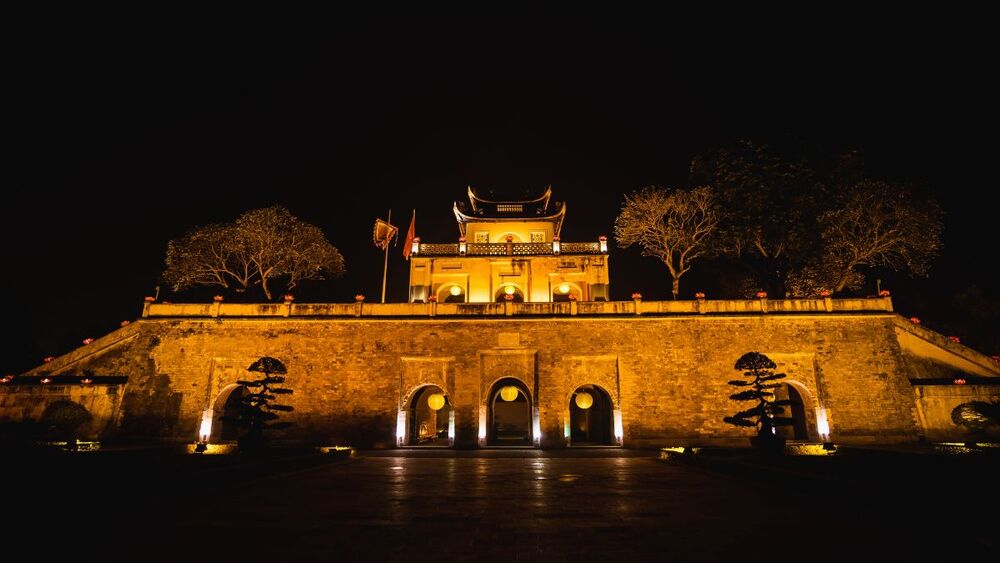
Thăng Long Imperial Citadel: Hanoi's Millennial Heartbeat – Where Đại Việt's Legacy Endures
"A UNESCO World Heritage Site, Thăng Long Imperial Citadel is a grand historical complex in the heart of Hanoi, a vivid testament to over a millennium of Đại Việt civilization. It once stood as the nation's political and cultural epicenter, a resilient symbol of its people."
Stepping through ancient gates, listening to the echoes of a thousand-year history, Thăng Long Imperial Citadel is more than just an archaeological site—it is the very soul of Hanoi. Here, beneath layers of earth and stone, lie stories of the Lý, Trần, Lê, and Nguyễn dynasties, of emperors who built and defended a nation. Every brick, every archaeological trace narrates an epic of enduring spirit, ingenuity, and courage. Let Vietnam Canvas guide you on a journey through time, exploring the eternal heart of Thăng Long – where the roots of culture and national strength converge.
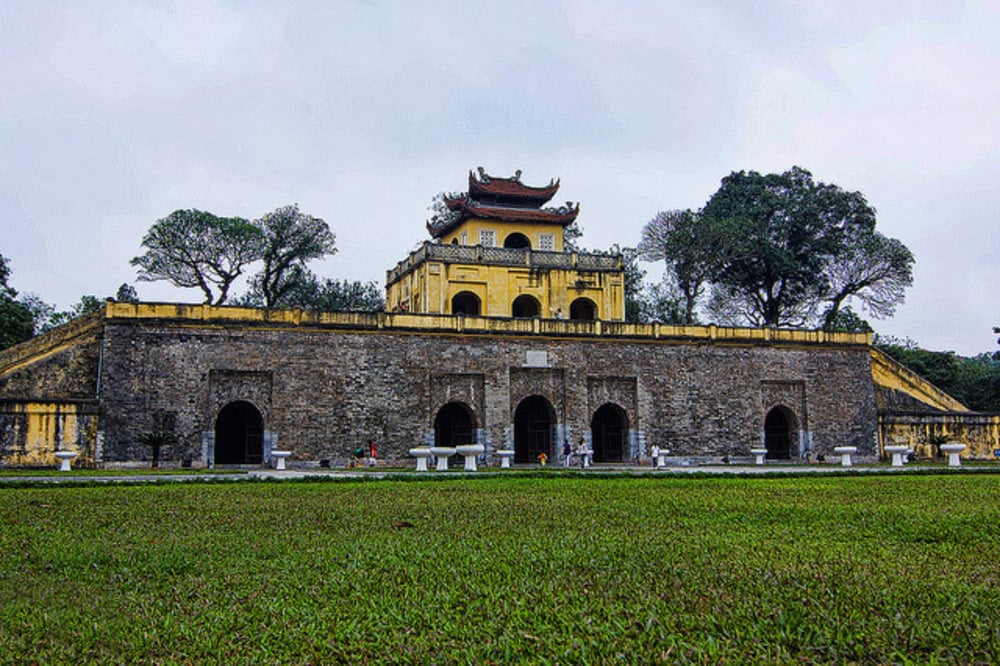
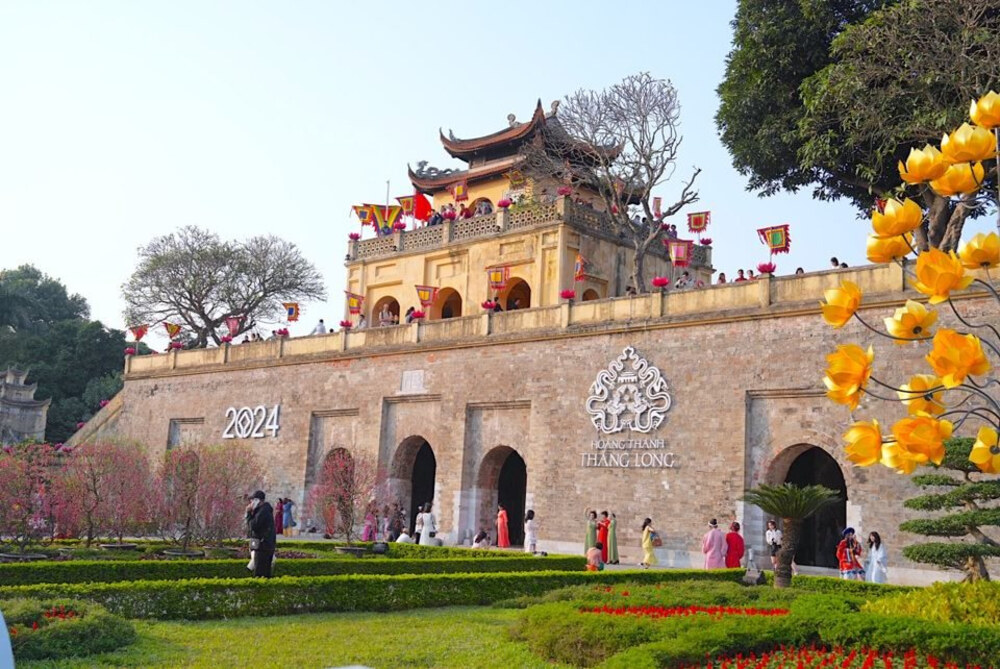
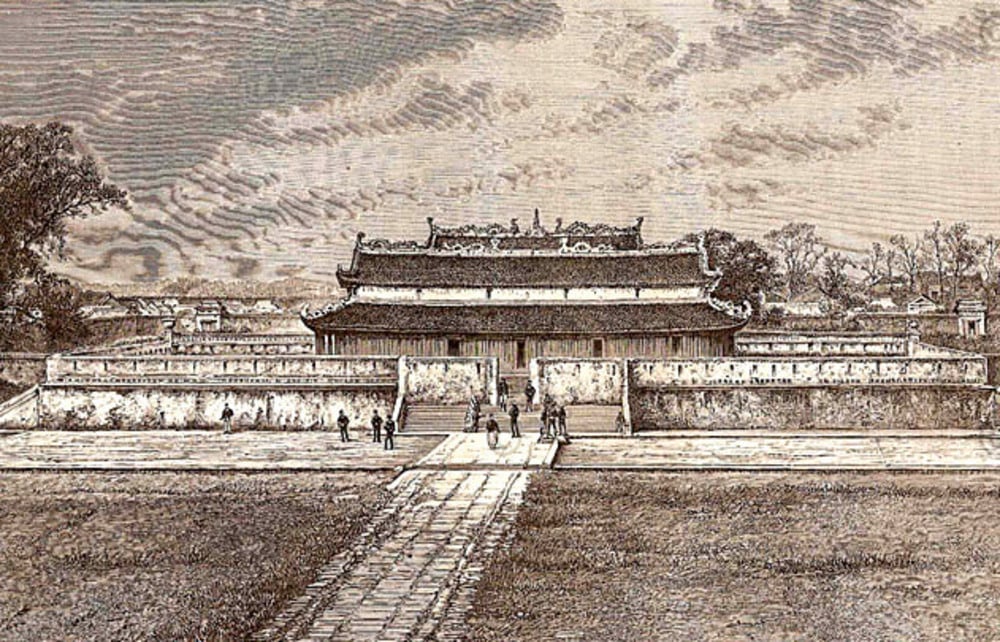
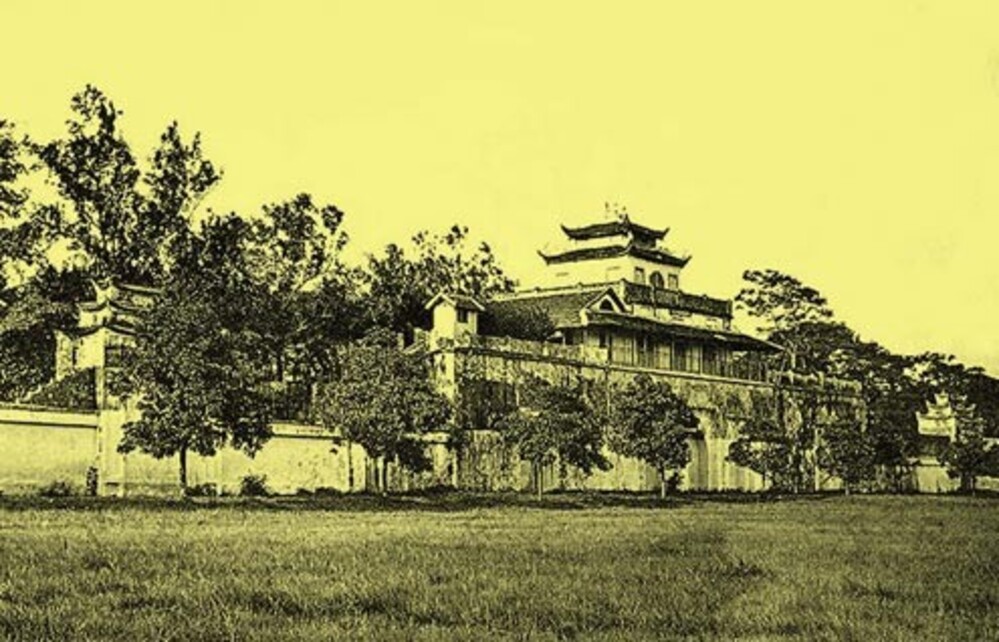
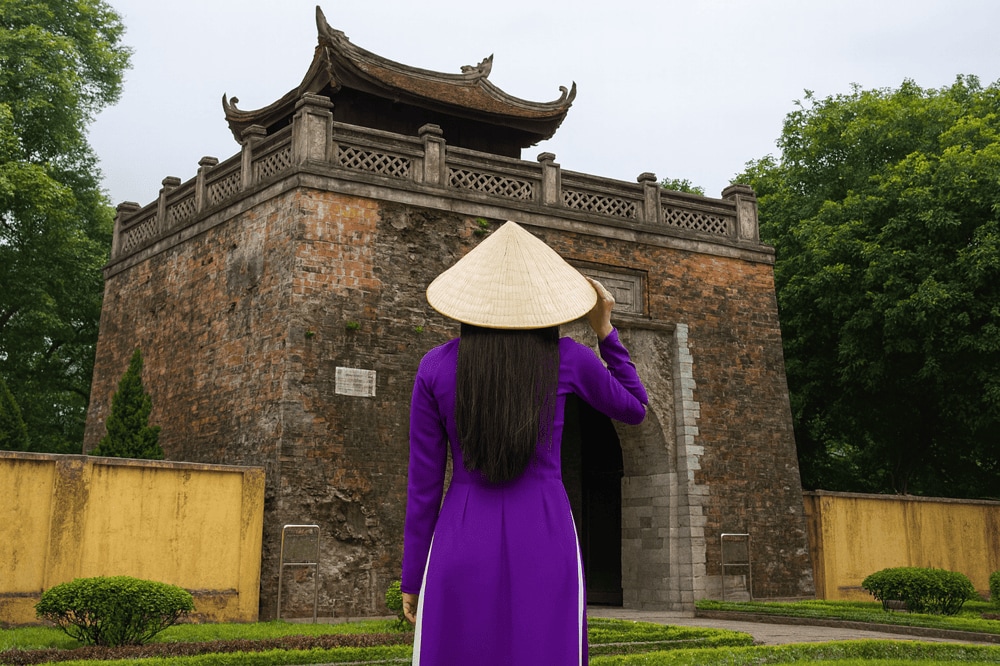
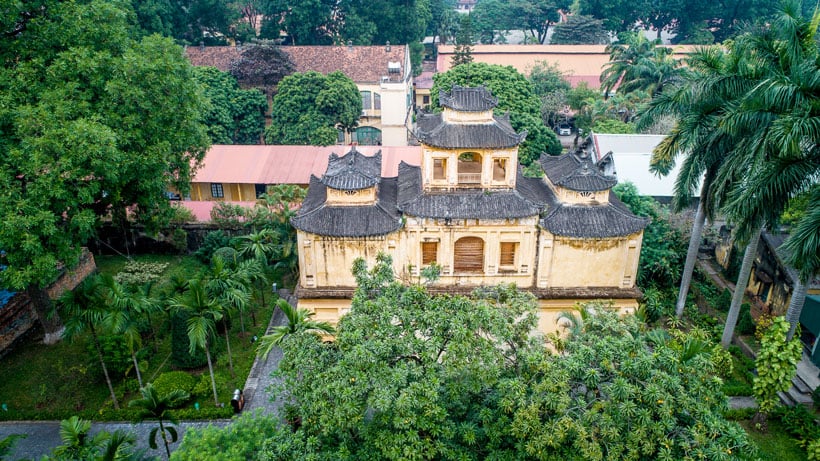
Beauty Through Every Angle
Essential Information
Autumn (September - November): Dry weather and clear skies make this the most picturesque season for exploration and photography.
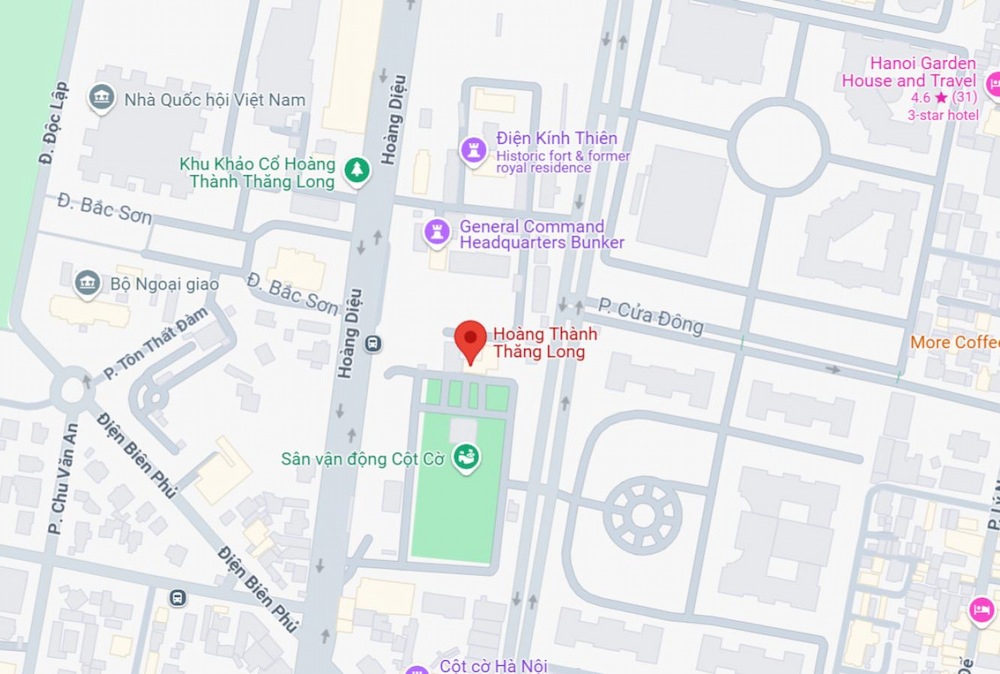
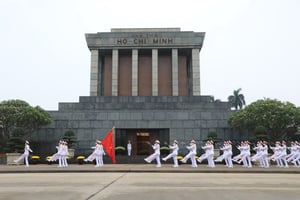
Parking: Motorbike parking is available at 19C Hoang Dieu (5,000 – 10,000 VND/turn). Car parking can be found on Hoang Dieu Street or near Ho Chi Minh Mausoleum (30,000 – 50,000 VND/turn).
Public Bus: Routes 9, 22, 32, 45 have stops near the Imperial Citadel (Dien Bien Phu, Nguyen Tri Phuong).
Taxi/Ride-hailing: Easily bookable via apps (Grab, Xanh SM) from central Hanoi (approx. 50,000 – 100,000 VND from the Old Quarter).
Wear Comfortable Shoes: The complex is vast and requires a good amount of walking.
Carry Water: Stay hydrated, especially during warmer months.
Adhere to Regulations: Do not litter, step on grass, or climb on relics. Maintain order and avoid running or shouting.
Research History in Advance: A deeper understanding of the site's history will enrich your visit.
No Drones: The use of drones is strictly prohibited within the complex unless special permission is granted.
Do not touch exhibited artifacts.
Specialties

Related Destinations


Essential Information
Autumn (September - November): Dry weather and clear skies make this the most picturesque season for exploration and photography.
Parking: Motorbike parking is available at 19C Hoang Dieu (5,000 – 10,000 VND/turn). Car parking can be found on Hoang Dieu Street or near Ho Chi Minh Mausoleum (30,000 – 50,000 VND/turn).
Public Bus: Routes 9, 22, 32, 45 have stops near the Imperial Citadel (Dien Bien Phu, Nguyen Tri Phuong).
Taxi/Ride-hailing: Easily bookable via apps (Grab, Xanh SM) from central Hanoi (approx. 50,000 – 100,000 VND from the Old Quarter).
Wear Comfortable Shoes: The complex is vast and requires a good amount of walking.
Carry Water: Stay hydrated, especially during warmer months.
Adhere to Regulations: Do not litter, step on grass, or climb on relics. Maintain order and avoid running or shouting.
Research History in Advance: A deeper understanding of the site's history will enrich your visit.
No Drones: The use of drones is strictly prohibited within the complex unless special permission is granted.
Do not touch exhibited artifacts.