
History, Culture
Independence Palace: The Historic Heart of Saigon
The South
6 min read
"Independence Palace, a grand symbol of unification and peace, is a unique architectural masterpiece steeped in immense historical and cultural value, a must-visit when in Saigon."
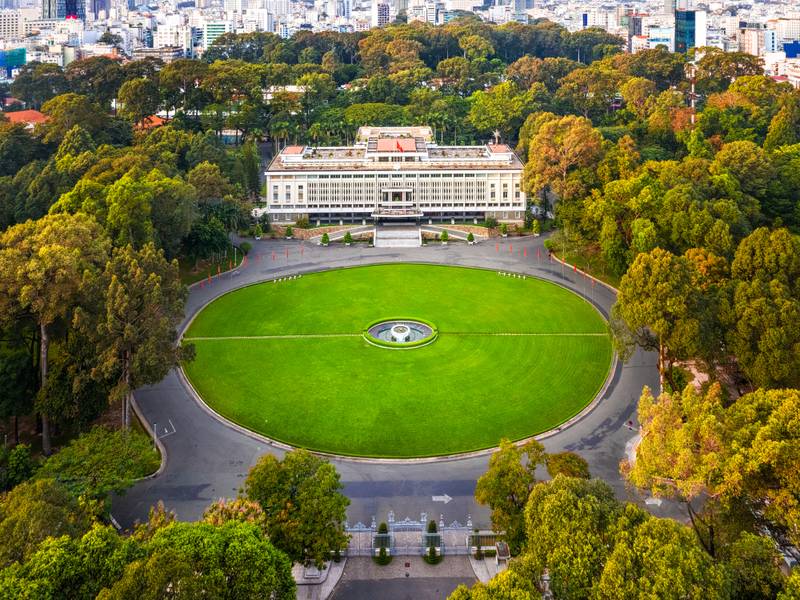
Independence Palace, also known as Reunification Palace, is an iconic architectural masterpiece nestled in the heart of Ho Chi Minh City. More than just a captivating attraction, it stands as a pivotal historical witness, marking numerous momentous events in modern Vietnamese history. Blending traditional Eastern aesthetics with modern Western influences, the Independence Palace invites visitors to delve into the stories hidden within each room and artifact, to feel the indomitable spirit of a nation, and to behold a grand symbol of peace and independence.
Beauty Through Every Angle
Independence Palace, also known as Reunification Palace, is not just an architectural structure but an eternal symbol of peace, independence, and national unity in Vietnam. Standing majestically in the heart of Ho Chi Minh City, Independence Palace has witnessed countless historical ups and downs, from the French colonial era to the glorious moments of national liberation. It is an unmissable destination for every visitor to connect with the past, learn about the nation's resilient struggle, and admire its unique and meaningful architecture.
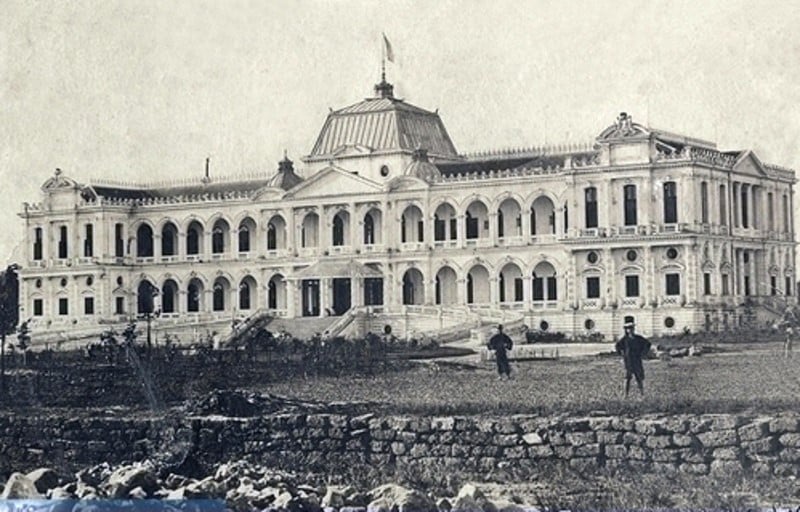
The journey of Independence Palace began in 1868 when the French colonialists constructed Norodom Palace on Norodom Avenue (now Nam Ky Khoi Nghia Street) to serve as the residence for the Governor of Cochinchina, La Grandière. The building was completed in 1871 and underwent several name changes throughout various periods of rule: Governor's Palace of Cochinchina, Governor-General's Palace. In 1955, President Ngo Dinh Diem officially renamed it Independence Palace, marking a new historical phase for South Vietnam.
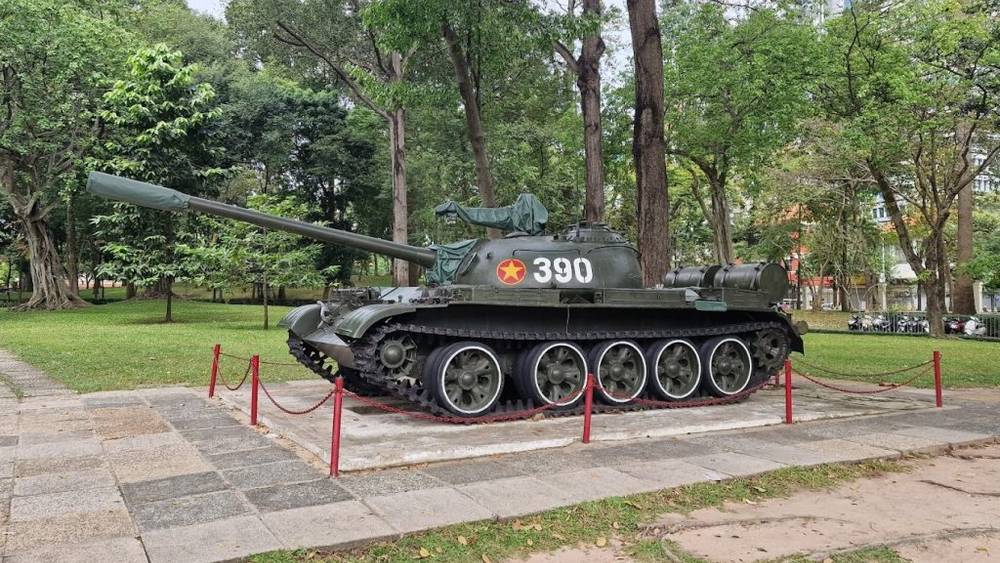
Independence Palace has become a living witness to many significant historical events. In 1962, a portion of the Palace was bombed during a coup, leading to the decision to demolish and entirely rebuild it according to the design of architect Ngo Viet Thu. The new building was completed in 1966 and served as the center of power for the Government of the Republic of Vietnam until April 30, 1975. The moment Tank 843 crashed through the Palace gates became an iconic symbol of the nation's reunification, ending a prolonged war and ushering in an era of peace.
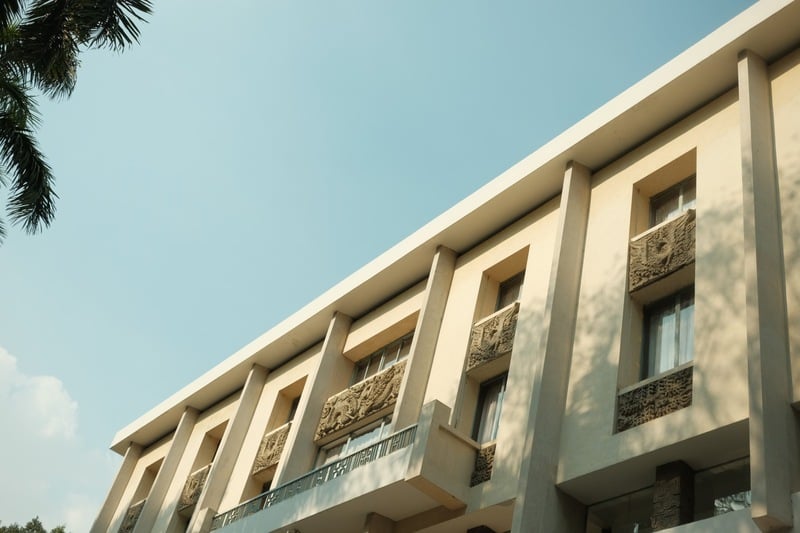
The architecture of Independence Palace is a unique symphony blending traditional Eastern styles with modern Western influences. Under the masterful hand of architect Ngo Viet Thu, the building not only possesses a majestic beauty but also holds profound cultural and feng shui meanings. From the overall layout to every minute detail, everything was meticulously calculated, creating a harmonious and symbolic whole.
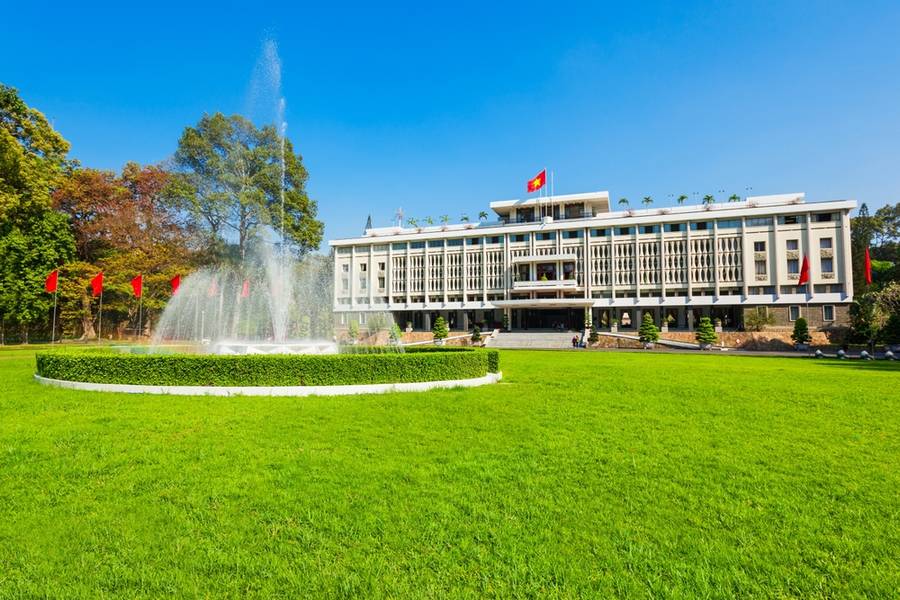
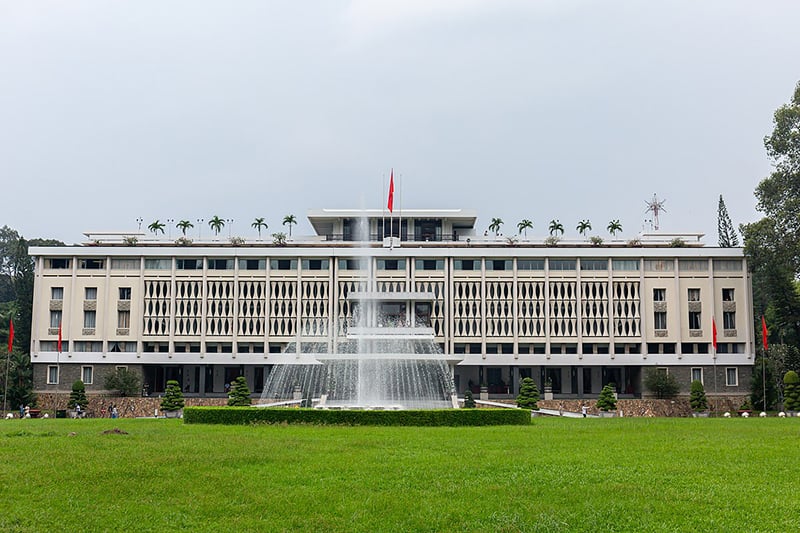
One of the most unique aspects of Independence Palace is the incorporation of auspicious Sino-Vietnamese characters into its design. The Palace's layout forms the character 'Cát' (meaning good fortune). The facade, second and third-floor balconies, and eaves, along with two wooden-clad columns, combine to form the character 'Hưng' (prosperity). The rooftop, named 'Tứ phương vô sự lầu' (Four Directions Free and Safe Pavilion), represents the character 'Khẩu' (freedom of speech), and combined with the flagpole, forms the character 'Trung' (centrality/loyalty). The eaves of the main hall, the rooftop eaves, and the honorary balcony form the character 'Tam' (three), and by adding a vertical stroke and the finial of the flagpole, the character 'Chủ' (master/owner) is created. This reflects architect Ngo Viet Thu's dedication, making the building a work of art full of hidden meanings.
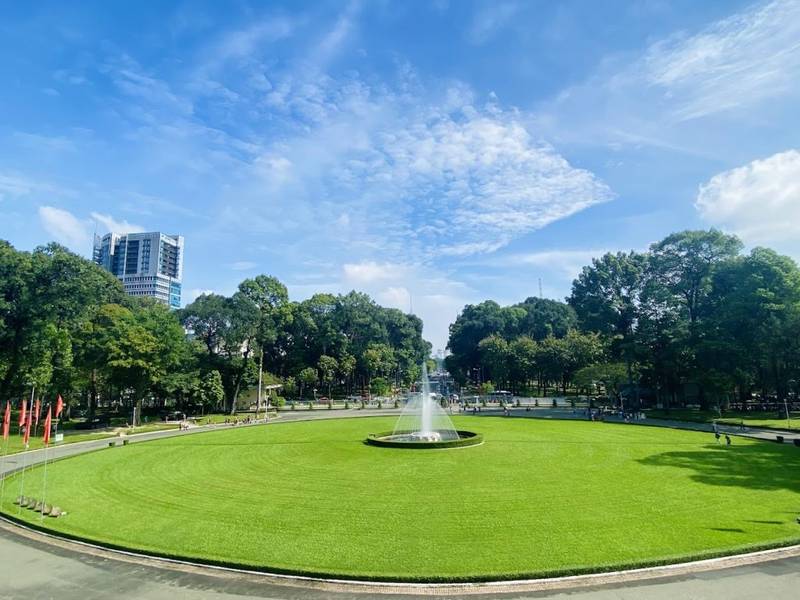
Before entering the Palace, visitors will be captivated by the lush, meticulously maintained exterior grounds. The front courtyard features a sprawling, verdant oval lawn, creating a serene and spacious ambiance. Adjacent to it, a crescent-shaped pond with vibrant lotus and water lily blooms symbolizes the noble beauty of the Vietnamese nation. A quaint octagonal house on a raised mound also serves as an ideal spot to admire the scenery and capture beautiful photographs.
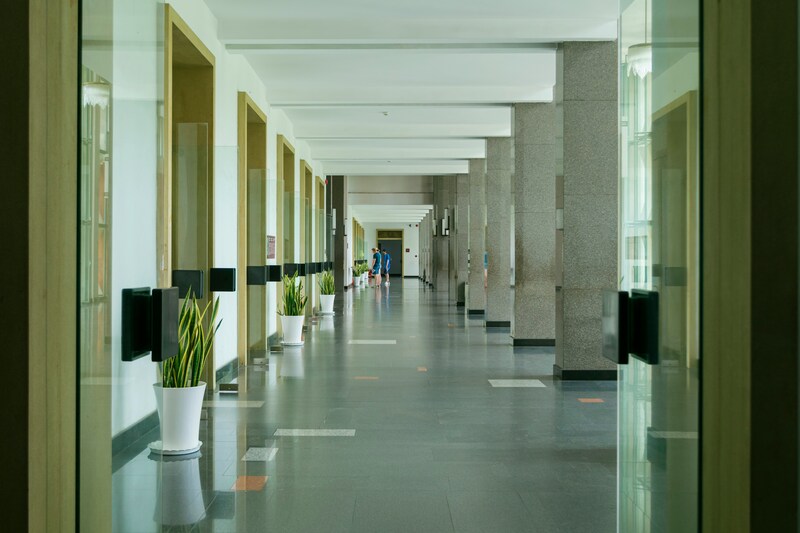
The fixed area of Independence Palace faithfully recreates the working and living spaces of the former government of the Republic of Vietnam. With nearly 100 meticulously designed rooms, each serving a distinct function and style, from the opulent Reception Hall to the President's modest office, the palace's elegant and refined architecture, with its simple yet luxurious interiors, will undoubtedly surprise and impress visitors with its sophistication.
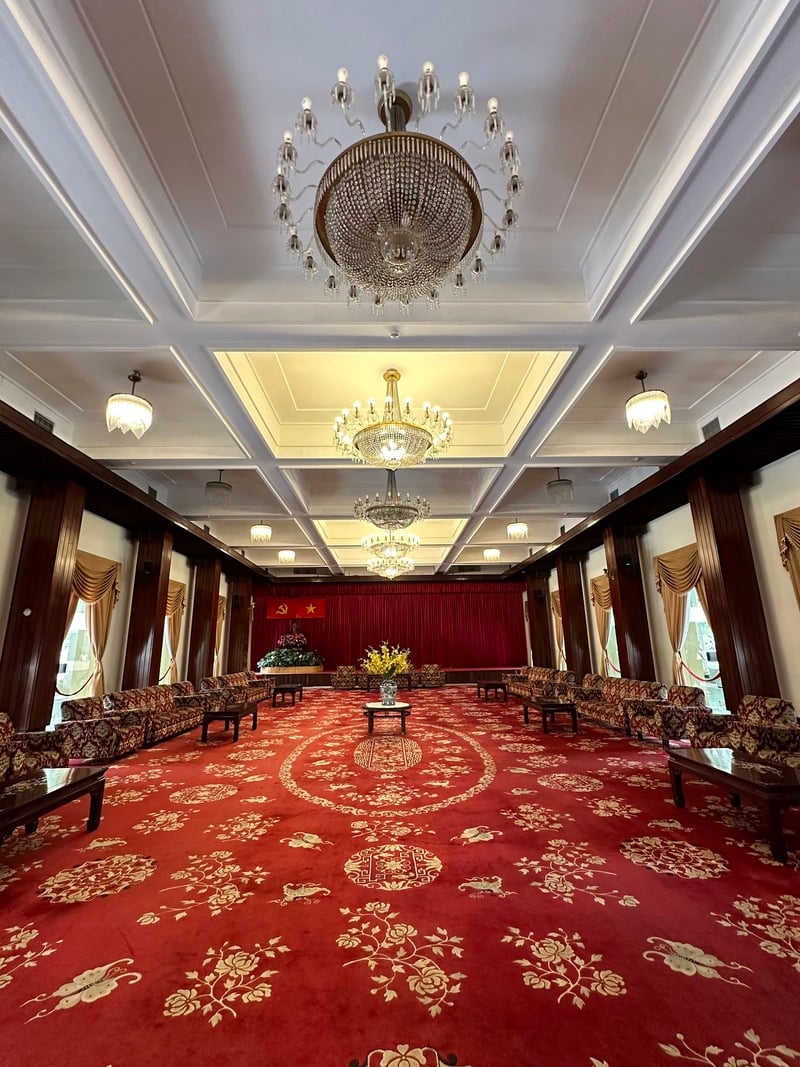
Among the fixed rooms, the State Reception Hall (Phòng Khánh Tiết) and the Grand Banquet Hall (Phòng Đại Yến) hold particular historical significance. The State Reception Hall has witnessed many ups and downs, from President Nguyen Van Thieu's resignation announcement to the North-South unification conference. The Grand Banquet Hall is impressive with a seven-panel oil painting gifted by architect Ngo Viet Thu himself on the occasion of its inauguration, serving as a venue for important receptions.
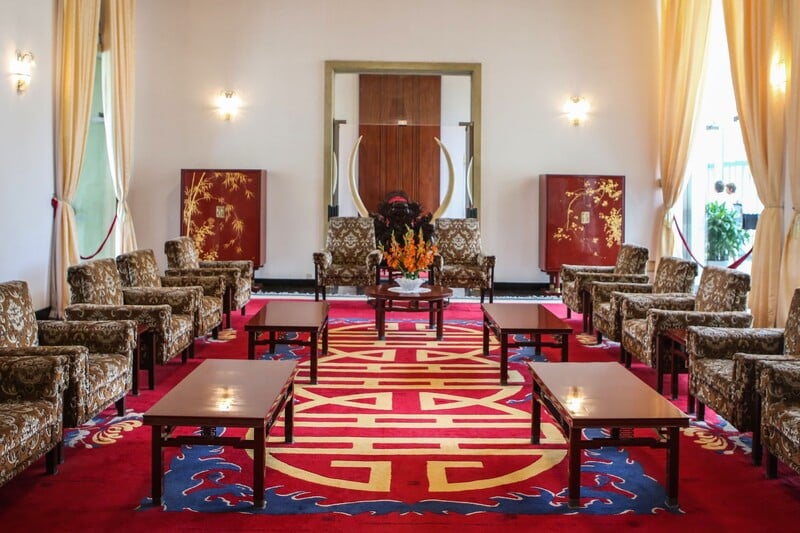
Visitors will continue to explore the Cabinet Meeting Room, where the former regime held regular meetings, and the dazzling Credentials Presentation Room, adorned with a 40-piece 'Bình Ngô Đại Cáo' painting. The President's reception room, with its two interconnected spaces, exudes solemnity. The First Lady's Banquet Room on the third floor and the Reading Room filled with precious documents each tell a unique story about life and work within the former Palace.
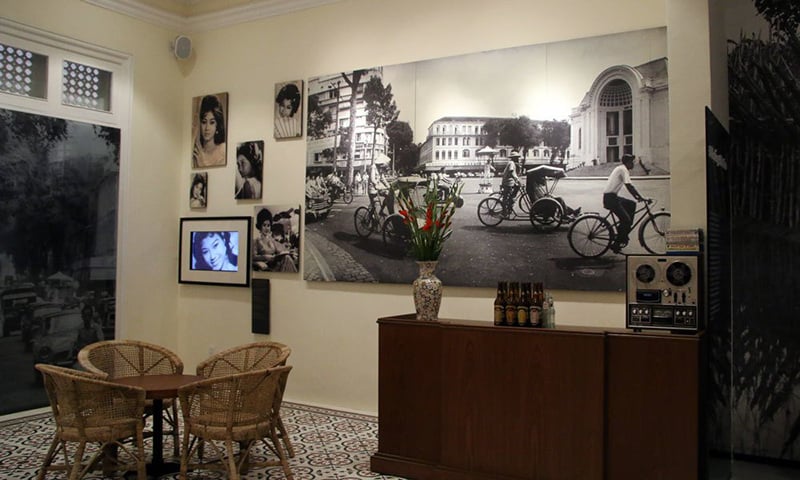
The specialized exhibition area is dedicated to displaying artifacts and hosting major historical exhibitions. Visitors can view documents and images from heroic campaigns such as the Ho Chi Minh Campaign, the Paris Agreement, and the legendary Ho Chi Minh Trail. To gain a deeper understanding of each historical detail, visitors can hire a tour guide for presentations, uncovering hidden stories not easily found in common literature.
The supplementary area of Independence Palace houses a vast collection of precious images and documents from various resistance wars to the country's reunification, meticulously preserved for future generations. Additionally, don't miss the basement – the former regime's fortified military command center – and stroll around the exterior grounds to admire historical artifacts such as the two bombs dropped by pilot Nguyen Thanh Trung on the Palace or President Nguyen Van Thieu's UH-1 helicopter. Every corner holds a unique beauty and story.
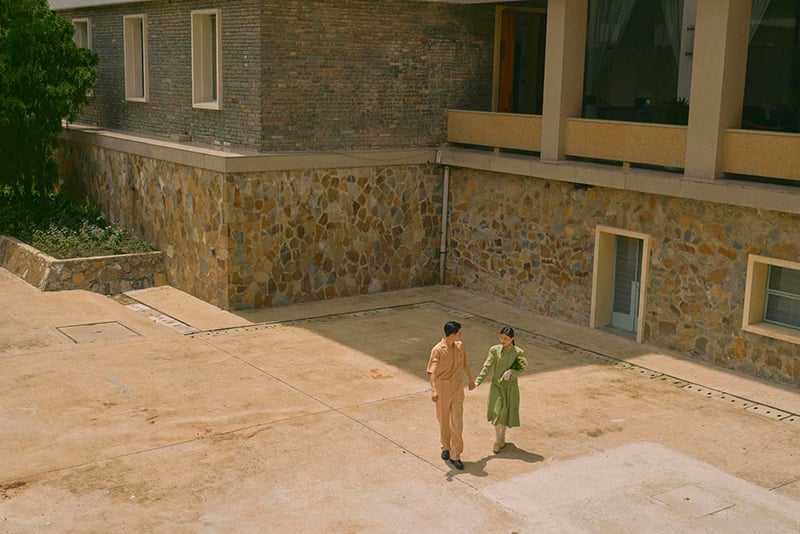
Independence Palace is also an ideal spot to capture memorable moments. Impressive 'check-in' corners include the main gate with its straight avenue, the Palace's facade with its symmetrical architecture, the spiral staircase creating natural light effects, or the rooftop with its historic helicopter pad offering panoramic city views. The lush green lawn and meticulously maintained trees in the courtyard also provide a fantastic backdrop for artistic photographs, especially during festivals or Tet holidays.
Essential Information
Best Time
Early mornings from 7:30 AM to 9:30 AM or afternoons from 2:30 PM to 4:00 PM are the ideal times to visit.
During these hours, the soft light creates beautiful effects for photography, and the crowds are thinner, ensuring a more peaceful experience.
Avoid peak hours to fully appreciate the serene atmosphere.
The Palace is open every day, including Saturdays, Sundays, and public holidays (except for special circumstances, which will be announced).
During these hours, the soft light creates beautiful effects for photography, and the crowds are thinner, ensuring a more peaceful experience.
Avoid peak hours to fully appreciate the serene atmosphere.
The Palace is open every day, including Saturdays, Sundays, and public holidays (except for special circumstances, which will be announced).
Transportation
Address: 135 Nam Ky Khoi Nghia Street, Ben Thanh Ward, District 1, Ho Chi Minh City. Its central location makes it highly accessible.
- Public Bus: Routes 04, 05, 06, 109, and 152 all have stops conveniently close to the Palace. This is an economical and straightforward option.
- Taxi/Ride-hailing Apps: Services like Grab, Be, Mai Linh, and Vinasun are readily available for direct drop-off and pickup.
- Motorbike Rental: Offers freedom of movement for exploring, with many rental shops in the Pham Ngu Lao and Bui Vien areas. Ensure you have a valid international driving permit.
- Metro: Metro Line 1 (Ben Thanh - Suoi Tien) has a Ben Thanh station approximately 500m from the Palace, a short 5-10 minute walk.
- Public Bus: Routes 04, 05, 06, 109, and 152 all have stops conveniently close to the Palace. This is an economical and straightforward option.
- Taxi/Ride-hailing Apps: Services like Grab, Be, Mai Linh, and Vinasun are readily available for direct drop-off and pickup.
- Motorbike Rental: Offers freedom of movement for exploring, with many rental shops in the Pham Ngu Lao and Bui Vien areas. Ensure you have a valid international driving permit.
- Metro: Metro Line 1 (Ben Thanh - Suoi Tien) has a Ben Thanh station approximately 500m from the Palace, a short 5-10 minute walk.
Tips
Dress modestly and respectfully, avoiding overly short, revealing, or offensive attire, as it is a historical site.
Comply with instructions from staff and security personnel to ensure safety and order within the Palace.
Do not bring food or drinks into the Palace premises.
Do not touch paintings or artifacts arbitrarily to prevent damage. Visitors will be held responsible for any damage caused to the relic.
Weapons and explosives are strictly prohibited.
Allocate approximately 1.5 - 2 hours to fully explore all areas of the Palace.
Consider hiring a tour guide or purchasing a map to gain a deeper understanding of the Palace's history and architecture.
Check opening hours and ticket prices before your visit, especially during holidays, to avoid inconvenience.
Utilize the natural light and unique photo spots like the main gate, the symmetrical facade, the spiral staircase with natural light effects, the rooftop with its historic helicopter pad offering panoramic city views, and the lush green gardens for the best photographs.
Comply with instructions from staff and security personnel to ensure safety and order within the Palace.
Do not bring food or drinks into the Palace premises.
Do not touch paintings or artifacts arbitrarily to prevent damage. Visitors will be held responsible for any damage caused to the relic.
Weapons and explosives are strictly prohibited.
Allocate approximately 1.5 - 2 hours to fully explore all areas of the Palace.
Consider hiring a tour guide or purchasing a map to gain a deeper understanding of the Palace's history and architecture.
Check opening hours and ticket prices before your visit, especially during holidays, to avoid inconvenience.
Utilize the natural light and unique photo spots like the main gate, the symmetrical facade, the spiral staircase with natural light effects, the rooftop with its historic helicopter pad offering panoramic city views, and the lush green gardens for the best photographs.
Essential Information
Best Time
Early mornings from 7:30 AM to 9:30 AM or afternoons from 2:30 PM to 4:00 PM are the ideal times to visit.
During these hours, the soft light creates beautiful effects for photography, and the crowds are thinner, ensuring a more peaceful experience.
Avoid peak hours to fully appreciate the serene atmosphere.
The Palace is open every day, including Saturdays, Sundays, and public holidays (except for special circumstances, which will be announced).
During these hours, the soft light creates beautiful effects for photography, and the crowds are thinner, ensuring a more peaceful experience.
Avoid peak hours to fully appreciate the serene atmosphere.
The Palace is open every day, including Saturdays, Sundays, and public holidays (except for special circumstances, which will be announced).
Transportation
Address: 135 Nam Ky Khoi Nghia Street, Ben Thanh Ward, District 1, Ho Chi Minh City. Its central location makes it highly accessible.
- Public Bus: Routes 04, 05, 06, 109, and 152 all have stops conveniently close to the Palace. This is an economical and straightforward option.
- Taxi/Ride-hailing Apps: Services like Grab, Be, Mai Linh, and Vinasun are readily available for direct drop-off and pickup.
- Motorbike Rental: Offers freedom of movement for exploring, with many rental shops in the Pham Ngu Lao and Bui Vien areas. Ensure you have a valid international driving permit.
- Metro: Metro Line 1 (Ben Thanh - Suoi Tien) has a Ben Thanh station approximately 500m from the Palace, a short 5-10 minute walk.
- Public Bus: Routes 04, 05, 06, 109, and 152 all have stops conveniently close to the Palace. This is an economical and straightforward option.
- Taxi/Ride-hailing Apps: Services like Grab, Be, Mai Linh, and Vinasun are readily available for direct drop-off and pickup.
- Motorbike Rental: Offers freedom of movement for exploring, with many rental shops in the Pham Ngu Lao and Bui Vien areas. Ensure you have a valid international driving permit.
- Metro: Metro Line 1 (Ben Thanh - Suoi Tien) has a Ben Thanh station approximately 500m from the Palace, a short 5-10 minute walk.
Tips
Dress modestly and respectfully, avoiding overly short, revealing, or offensive attire, as it is a historical site.
Comply with instructions from staff and security personnel to ensure safety and order within the Palace.
Do not bring food or drinks into the Palace premises.
Do not touch paintings or artifacts arbitrarily to prevent damage. Visitors will be held responsible for any damage caused to the relic.
Weapons and explosives are strictly prohibited.
Allocate approximately 1.5 - 2 hours to fully explore all areas of the Palace.
Consider hiring a tour guide or purchasing a map to gain a deeper understanding of the Palace's history and architecture.
Check opening hours and ticket prices before your visit, especially during holidays, to avoid inconvenience.
Utilize the natural light and unique photo spots like the main gate, the symmetrical facade, the spiral staircase with natural light effects, the rooftop with its historic helicopter pad offering panoramic city views, and the lush green gardens for the best photographs.
Comply with instructions from staff and security personnel to ensure safety and order within the Palace.
Do not bring food or drinks into the Palace premises.
Do not touch paintings or artifacts arbitrarily to prevent damage. Visitors will be held responsible for any damage caused to the relic.
Weapons and explosives are strictly prohibited.
Allocate approximately 1.5 - 2 hours to fully explore all areas of the Palace.
Consider hiring a tour guide or purchasing a map to gain a deeper understanding of the Palace's history and architecture.
Check opening hours and ticket prices before your visit, especially during holidays, to avoid inconvenience.
Utilize the natural light and unique photo spots like the main gate, the symmetrical facade, the spiral staircase with natural light effects, the rooftop with its historic helicopter pad offering panoramic city views, and the lush green gardens for the best photographs.