
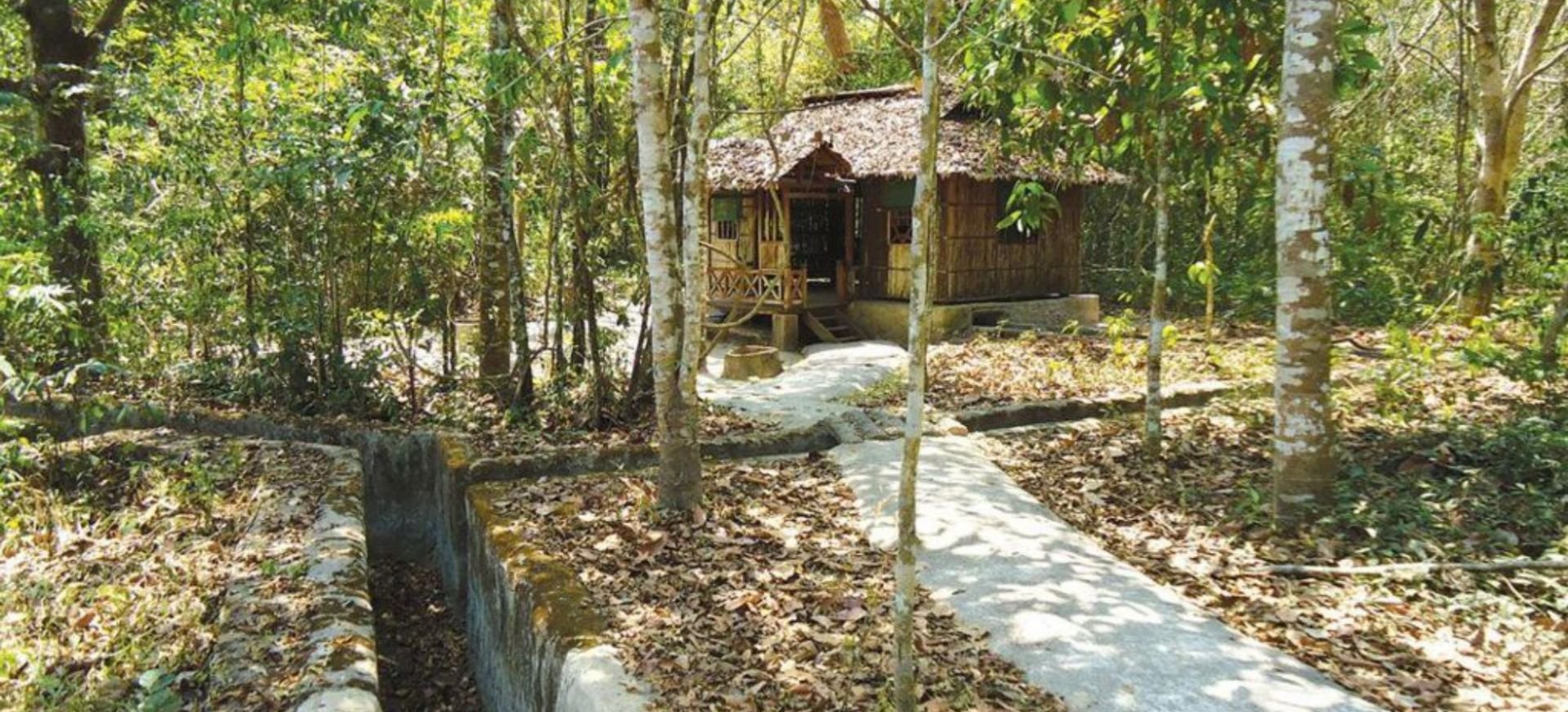
Cu Chi Tunnels: The Underground City – A Symbol of Enduring Resilience
"Journey deep into the earth of Cu Chi, where history comes alive through a labyrinth of tunnels, narrating tales of incredible resilience and ingenious Vietnamese spirit."
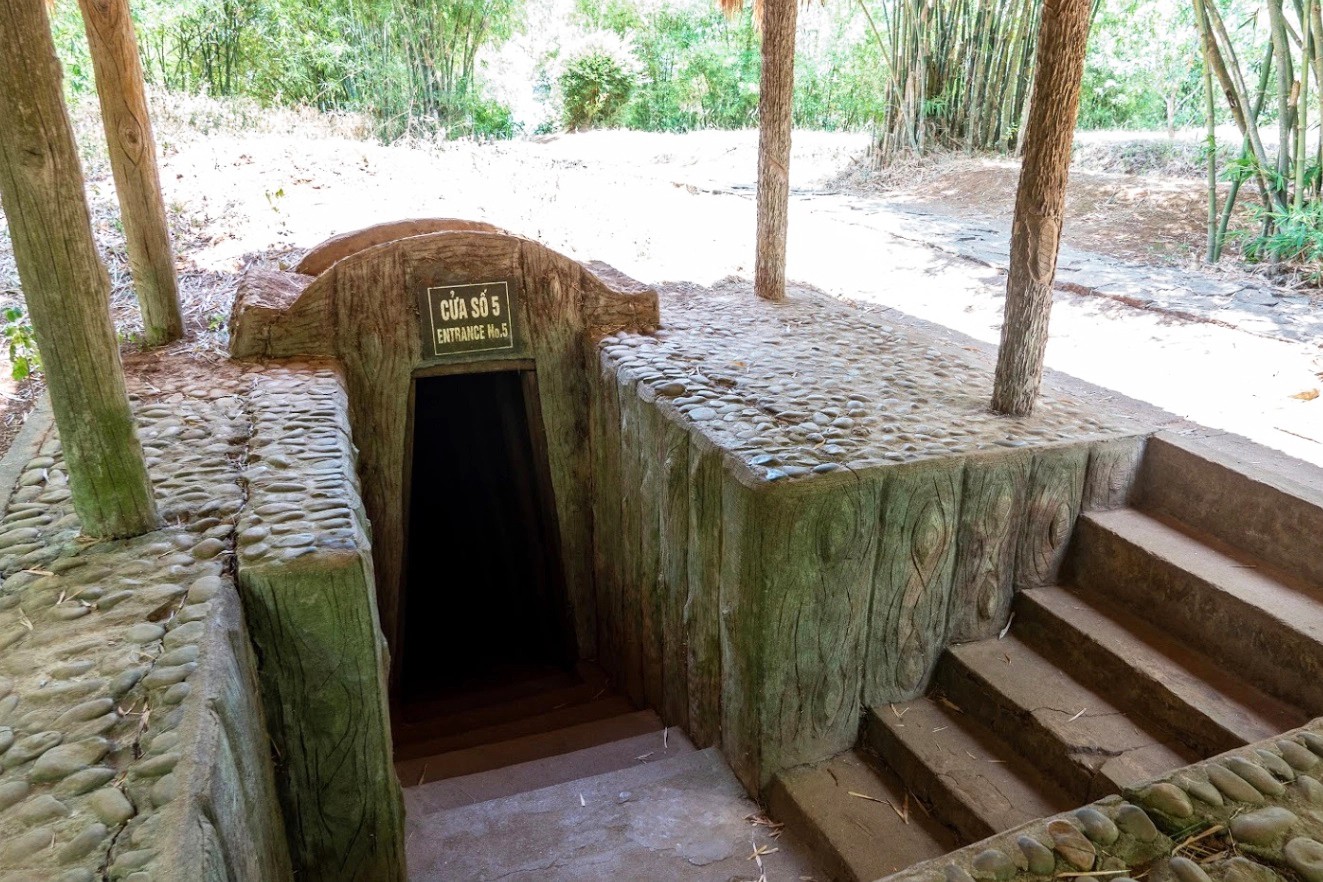
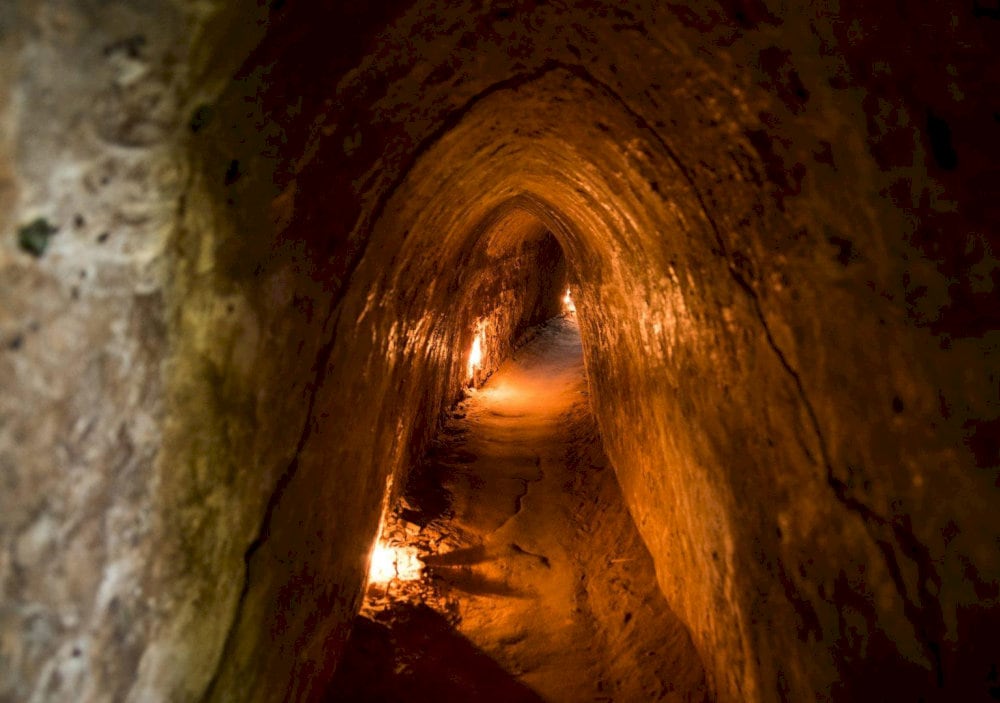
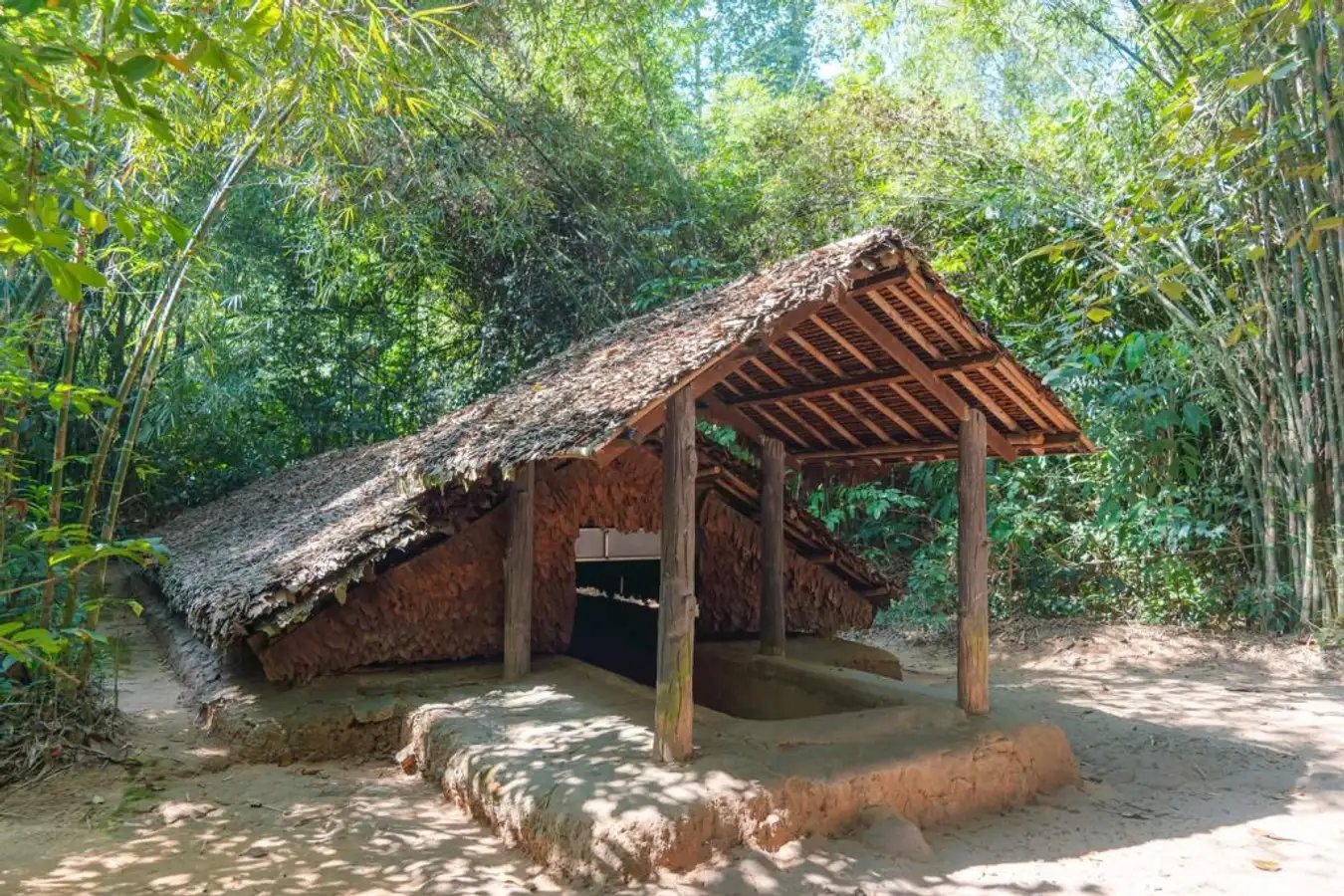
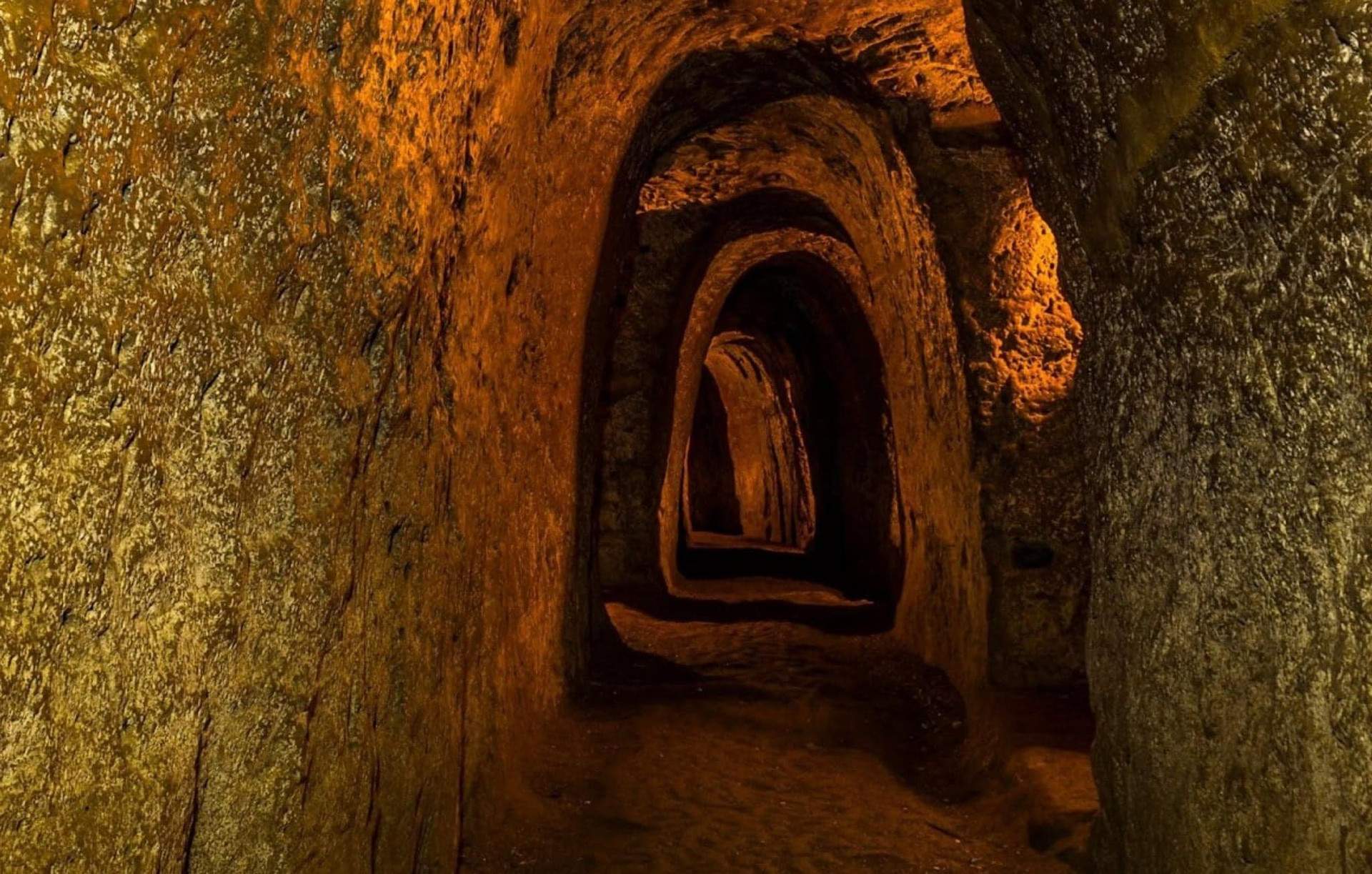
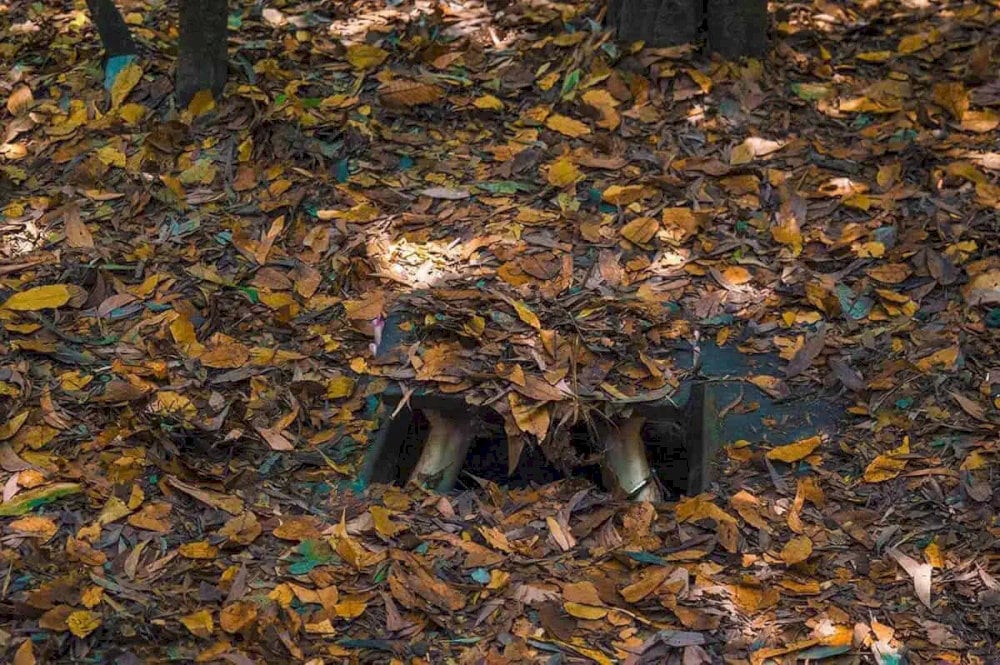
Stepping into the Cu Chi Tunnels is not merely a visit to a historical site; it is an emotional odyssey, transporting you back to a heroic era of the Vietnamese nation. Beneath the parched, brown earth, a complex 'city' was forged, a place where extraordinary people lived, fought, and created miracles. Every nook, every tunnel, whispers a story of survival, ingenuity, and immense courage. The Cu Chi Tunnels are more than a defensive system; they are the beating heart of a resistance, an eternal symbol of the indomitable will of the Vietnamese people. Let Vietnam Canvas guide you through this underground marvel, where you will not only learn about history but deeply feel the indestructible spirit of Vietnam.
Beauty Through Every Angle

Essential Information
To avoid the largest crowds and have a more intimate experience, it's best to visit early in the morning (before 9:00 AM) or late in the afternoon (after 2:00 PM).
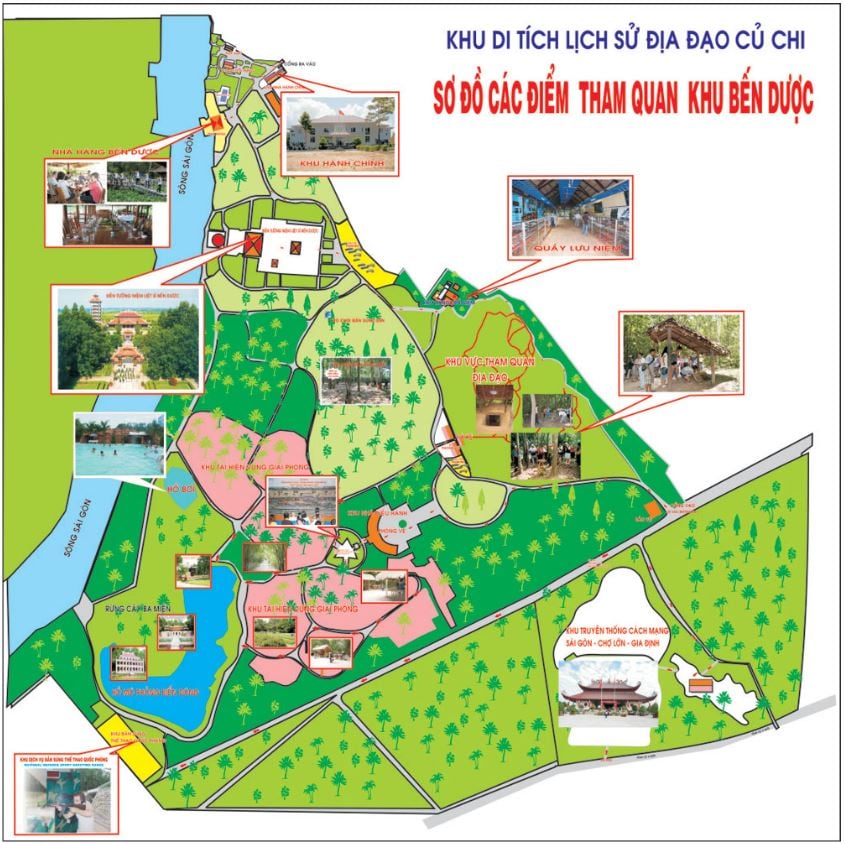
- By Bus: This is the most economical option. You can take bus route 13 or 94 to Cu Chi Bus Station, then transfer to route 79 (for Ben Duoc) or routes 122 then 70 (for Ben Dinh).
- By Private Vehicle (motorbike/car): For those who prefer freedom and exploration. Follow National Highway 22 past An Suong Intersection, Hoc Mon, then onto Provincial Road 15. The journey takes about 1.5 - 2 hours.
- By Taxi or Private Car: Convenient and comfortable, especially for groups. Major taxi companies or private car services with drivers ensure a smooth trip.
- By Speedboat: A unique and scenic experience (1 - 1.5 hours) along the Saigon River. This is often part of premium tours, offering beautiful river views along the way.
- Wear comfortable, practical attire: Opt for dark-colored clothing and athletic shoes to facilitate movement within the narrow tunnels and participation in activities.
- Pack essential personal items: Bringing water, sunscreen, and insect repellent is highly recommended.
- Check operating hours in advance: Knowing the opening hours (7:00 AM - 5:00 PM daily) helps in planning your itinerary efficiently.
- Assess your physical condition for tunnel crawling: The tunnels can be cramped and claustrophobic. If unsure, try a shorter section first.
- Consider booking a tour for convenience: Day tours or night tours often handle transportation and guidance, offering a hassle-free experience.




Essential Information
To avoid the largest crowds and have a more intimate experience, it's best to visit early in the morning (before 9:00 AM) or late in the afternoon (after 2:00 PM).
- By Bus: This is the most economical option. You can take bus route 13 or 94 to Cu Chi Bus Station, then transfer to route 79 (for Ben Duoc) or routes 122 then 70 (for Ben Dinh).
- By Private Vehicle (motorbike/car): For those who prefer freedom and exploration. Follow National Highway 22 past An Suong Intersection, Hoc Mon, then onto Provincial Road 15. The journey takes about 1.5 - 2 hours.
- By Taxi or Private Car: Convenient and comfortable, especially for groups. Major taxi companies or private car services with drivers ensure a smooth trip.
- By Speedboat: A unique and scenic experience (1 - 1.5 hours) along the Saigon River. This is often part of premium tours, offering beautiful river views along the way.
- Wear comfortable, practical attire: Opt for dark-colored clothing and athletic shoes to facilitate movement within the narrow tunnels and participation in activities.
- Pack essential personal items: Bringing water, sunscreen, and insect repellent is highly recommended.
- Check operating hours in advance: Knowing the opening hours (7:00 AM - 5:00 PM daily) helps in planning your itinerary efficiently.
- Assess your physical condition for tunnel crawling: The tunnels can be cramped and claustrophobic. If unsure, try a shorter section first.
- Consider booking a tour for convenience: Day tours or night tours often handle transportation and guidance, offering a hassle-free experience.