
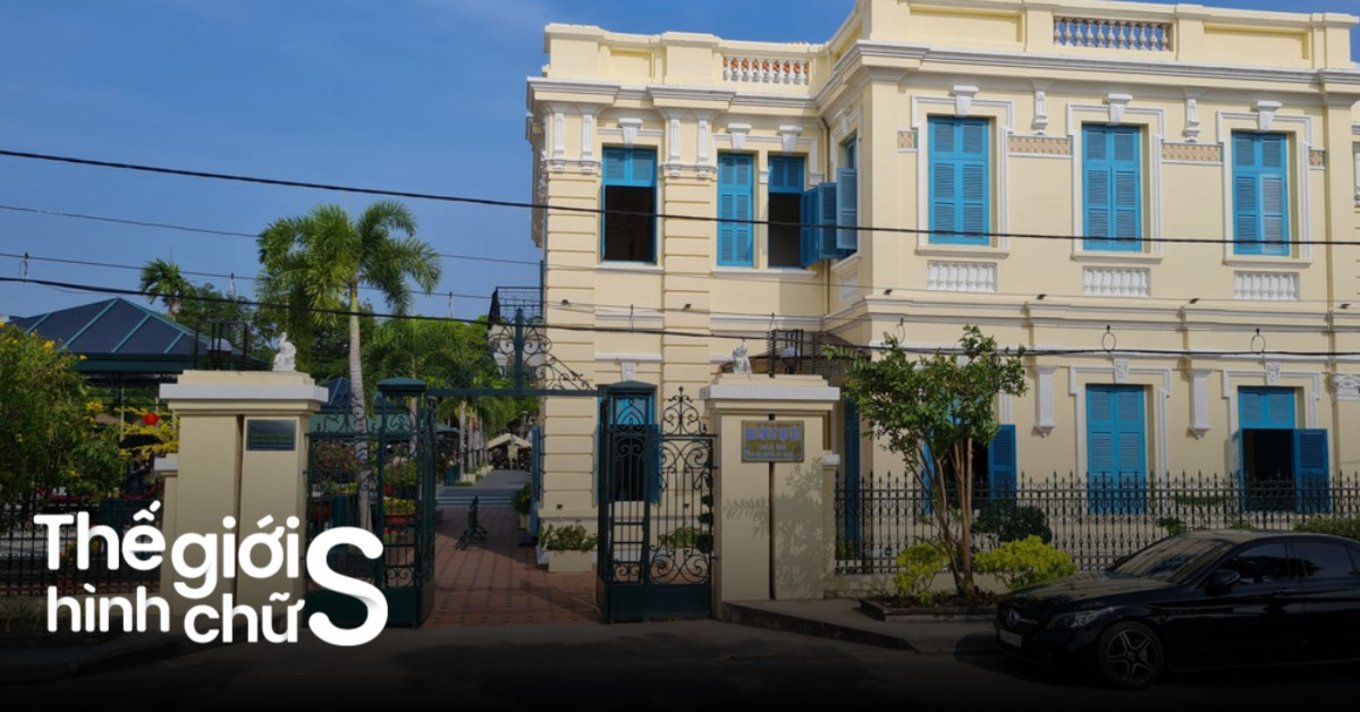
Bac Lieu Prince's House: A Golden Era Legacy in the Mekong Delta
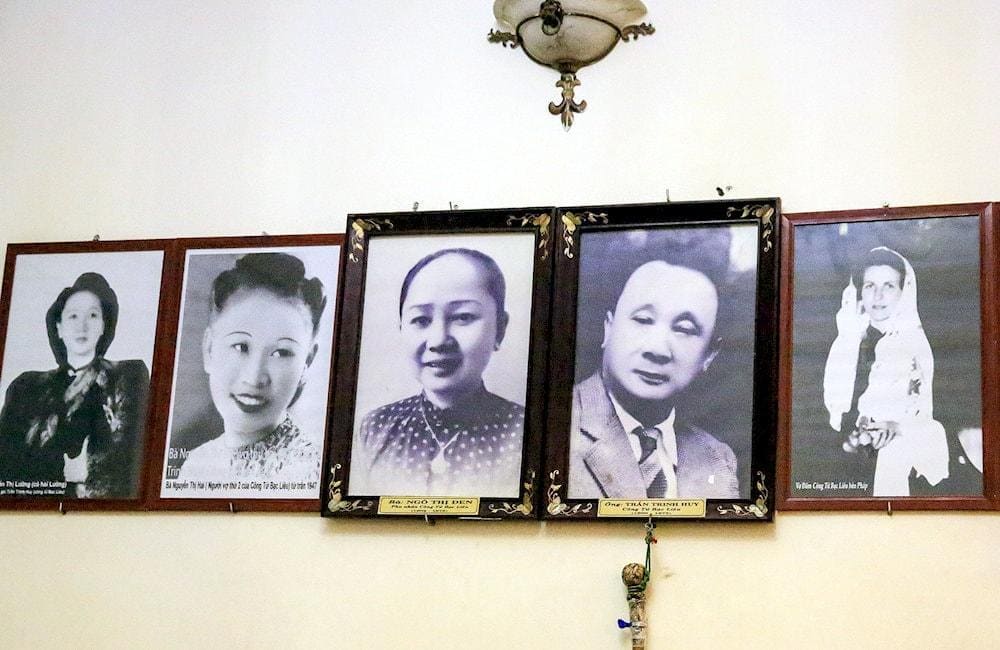
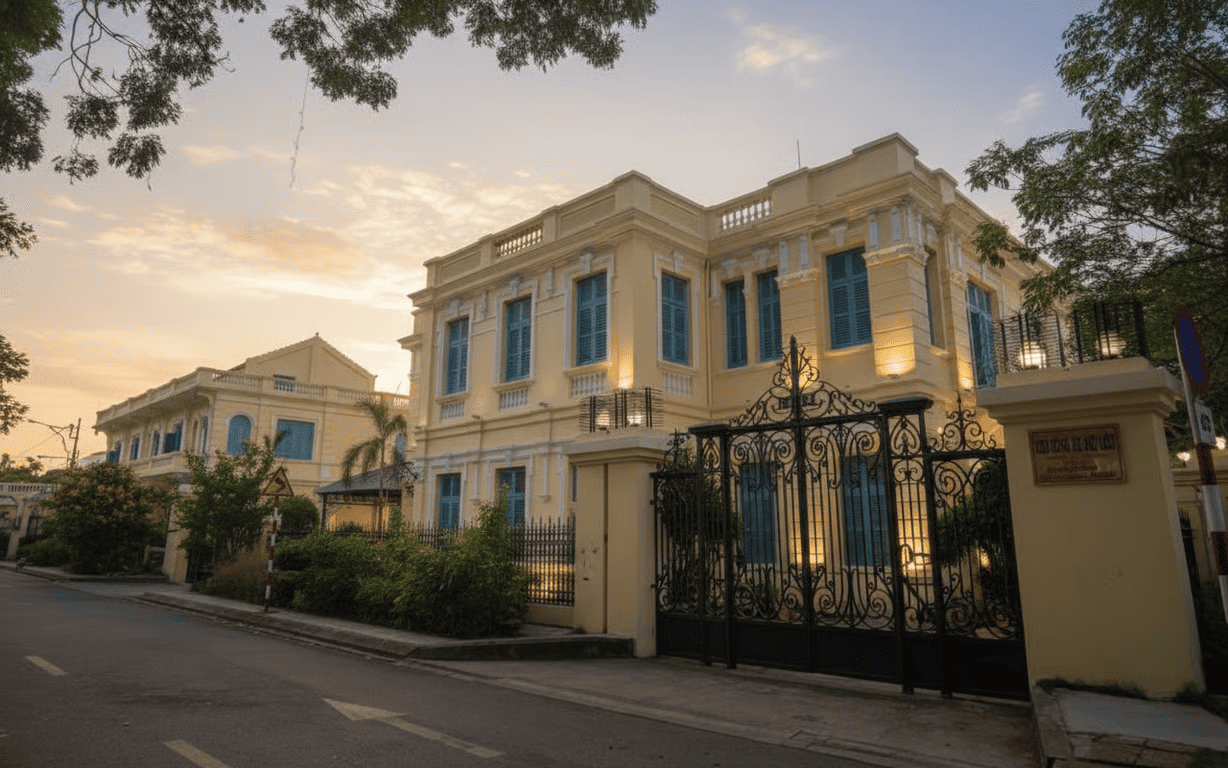
"The Bac Lieu Prince's House is more than just an ancient French colonial edifice; it's a vibrant symbol of one of the most extravagant periods in Southern Vietnam. Located by the Bac Lieu River, this mansion recounts the intriguing tales of Trần Trinh Huy – the infamous playboy prince."
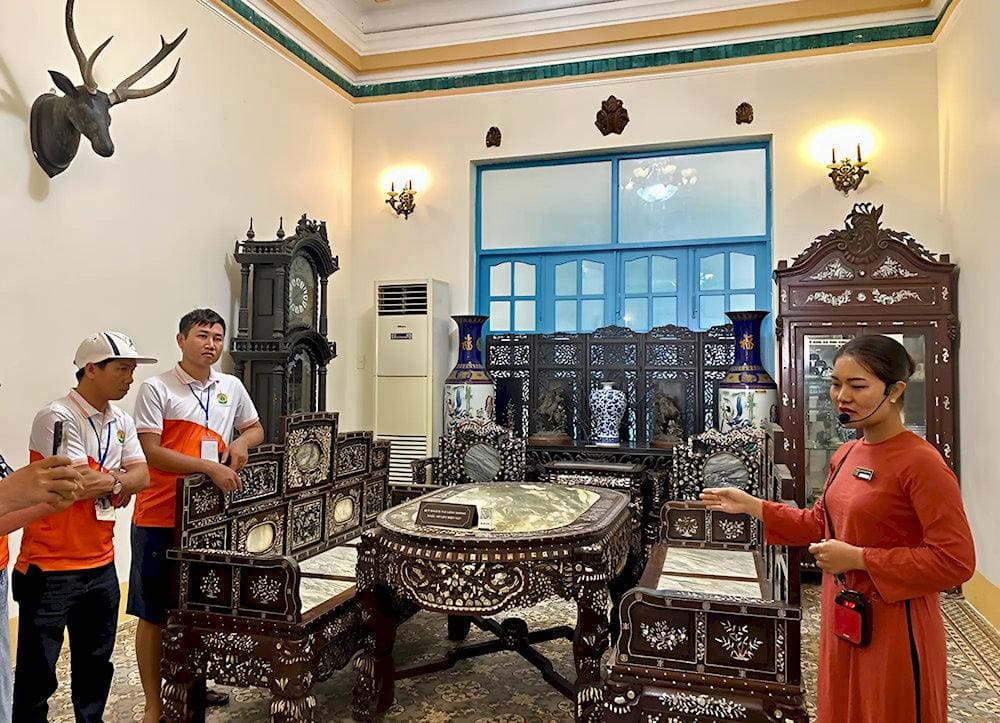
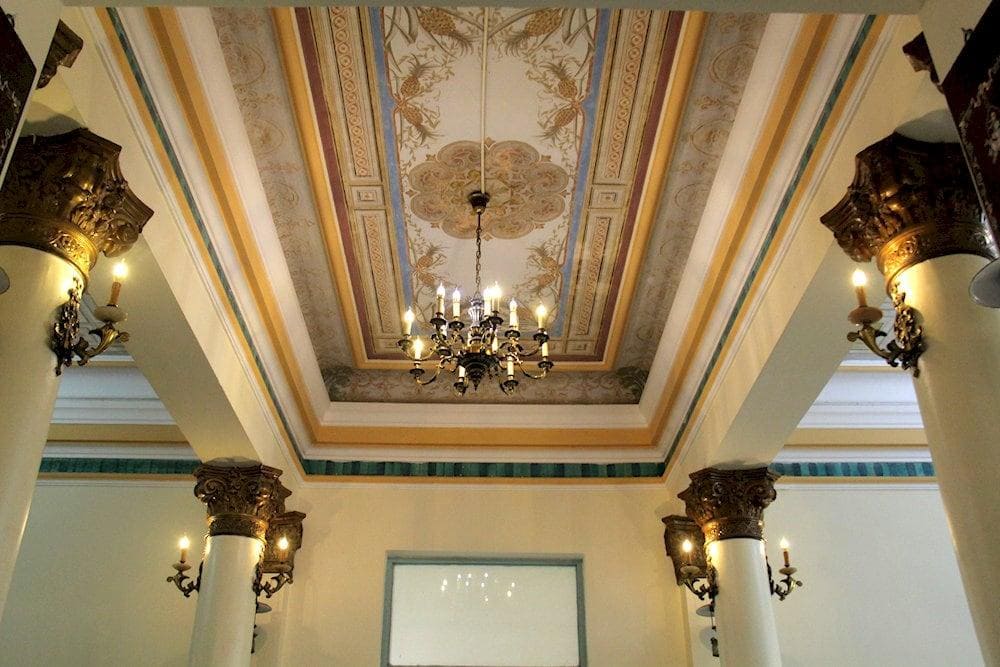
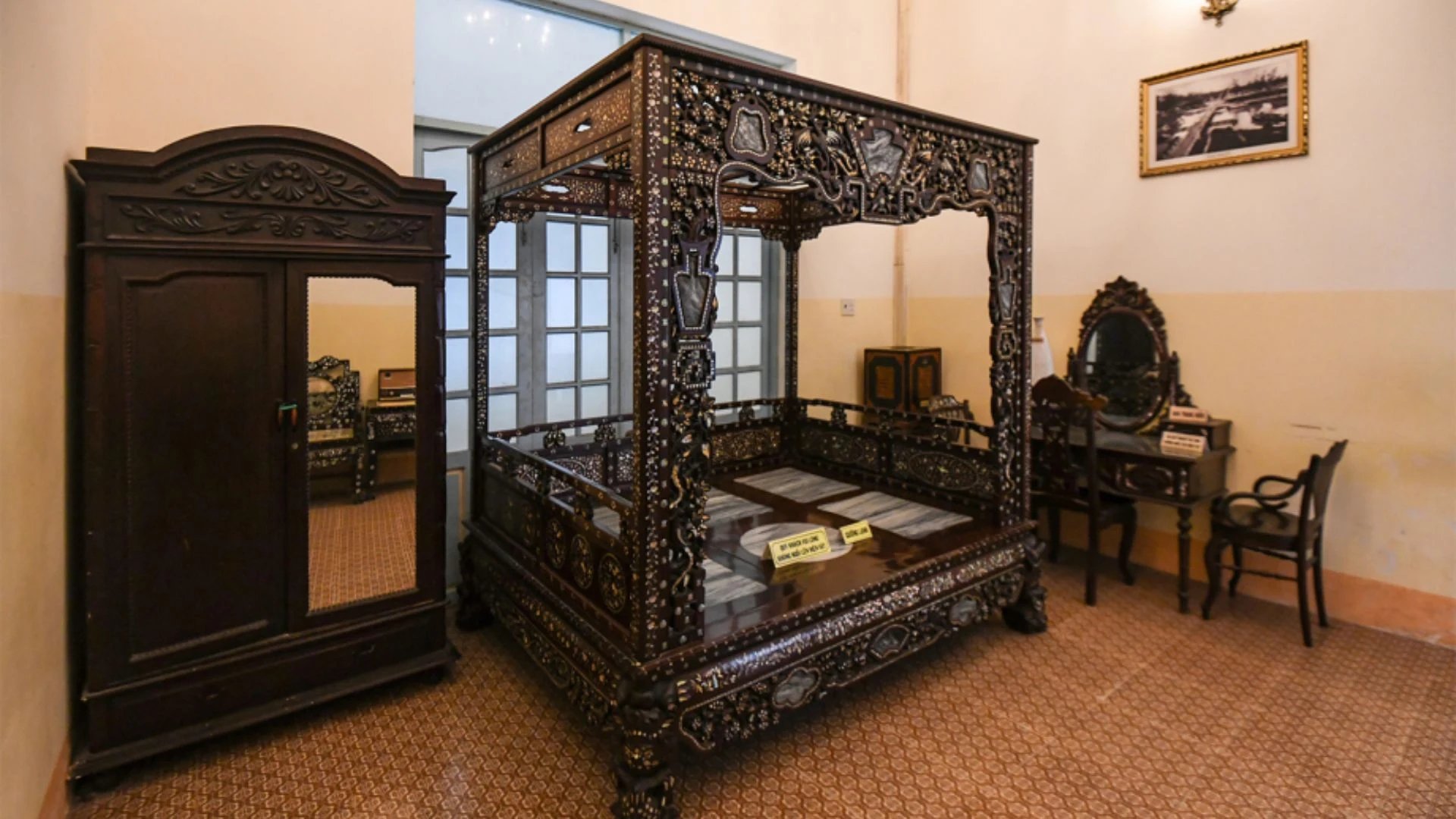
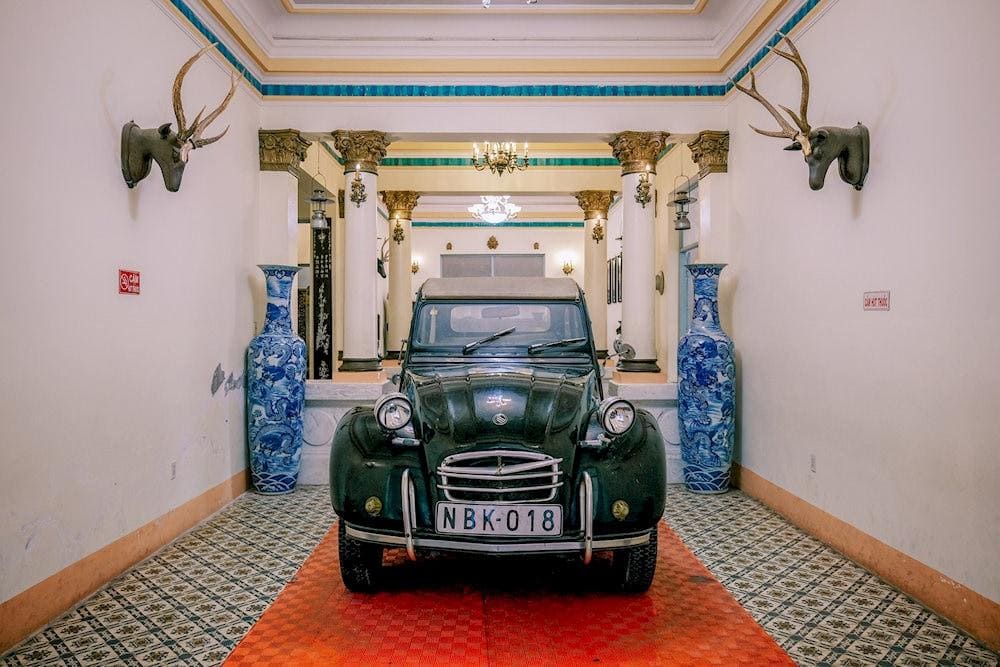
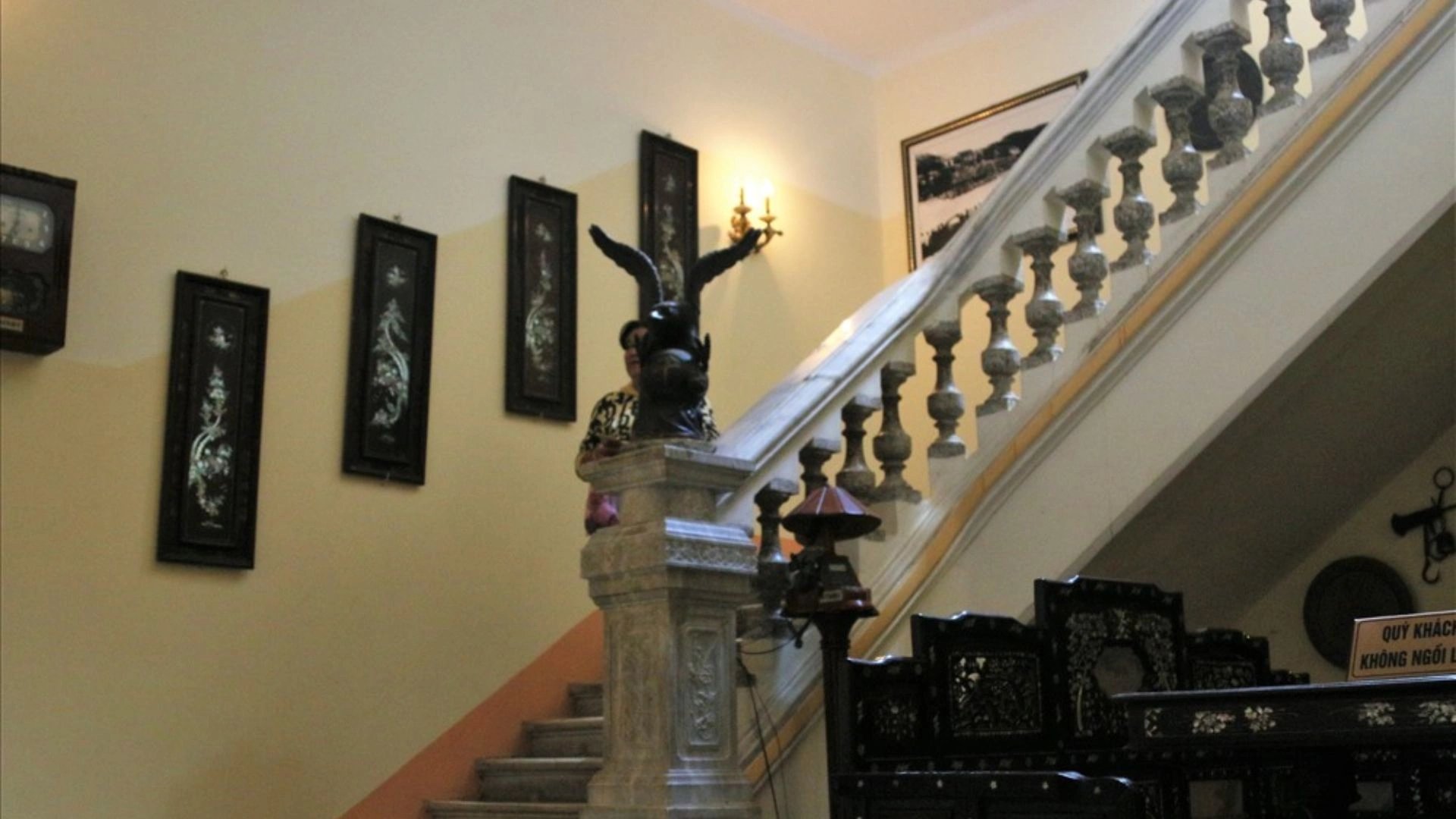
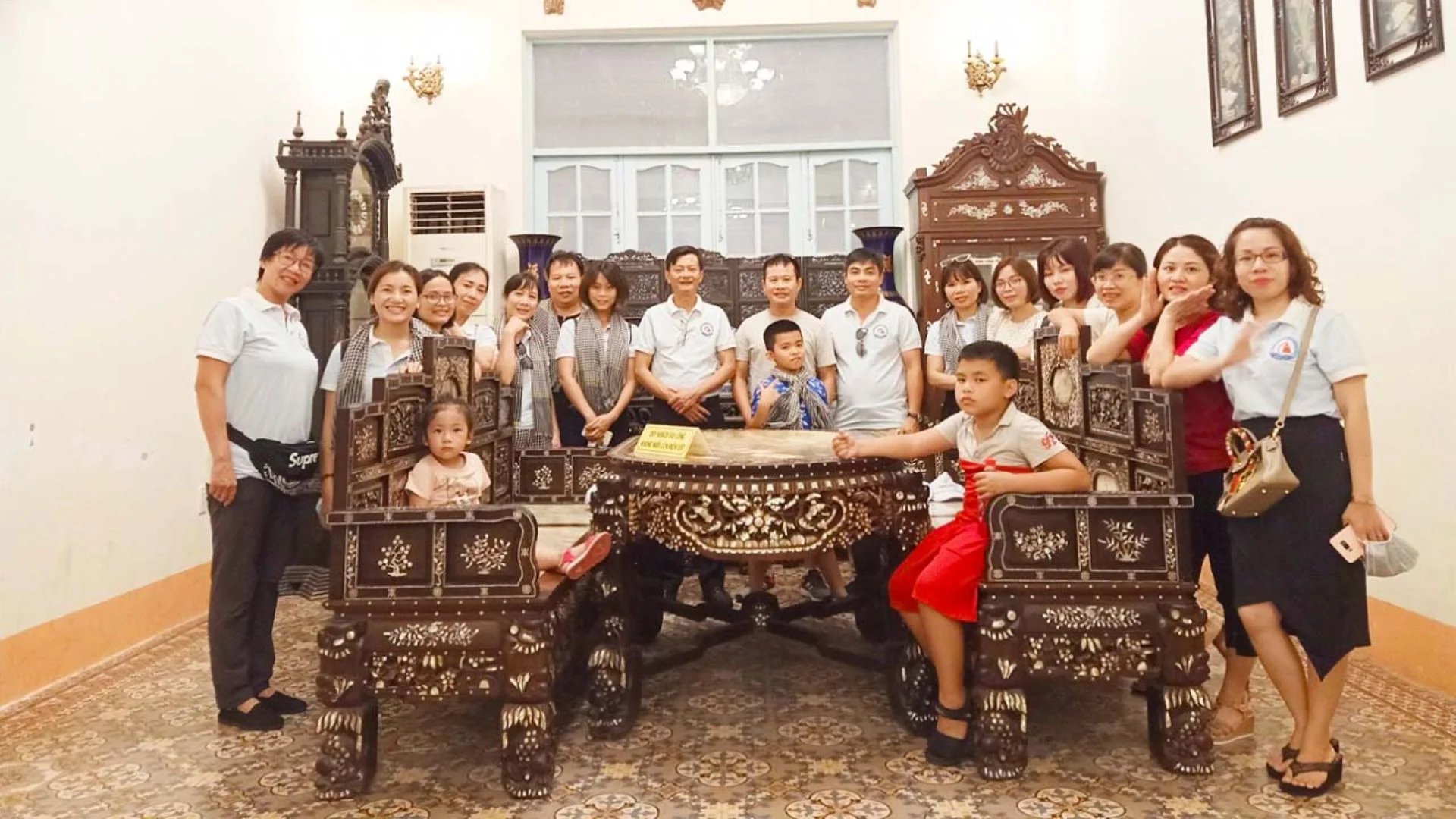
Stepping into the Bac Lieu Prince's House, visitors are transported into a classic film scene, where every detail exudes nobility and luxury. From the intricate French architecture, mother-of-pearl inlaid wooden furniture, to unique artifacts like the hot and cold beds or the vintage Peugeot car, every corner whispers stories of an affluent and flamboyant family. This is not merely a historical site, but an emotional journey that takes you back in time to the Mekong Delta a century ago, to admire architectural beauty and listen to legends that have become iconic.
Beauty Through Every Angle

Essential Information
Additionally, if you appreciate Southern Vietnamese traditional music (đờn ca tài tử), plan your visit around the 11th to the 15th day of the 8th lunar month to immerse yourself in the "Dạ Cổ Hoài Lang" festival, a unique cultural event commemorating musician Cao Van Lầu.
From Hanoi and northern provinces: The fastest option is to fly to Can Tho, then take a car or coach to Bac Lieu. Bac Lieu does not have a civilian airport.
From Bac Lieu city center: The Prince's House is conveniently located at 13 Dien Bien Phu Street, Ward 3, easily accessible by taxi, motorbike, bicycle, or even on foot if staying nearby.
Consider hiring a local tour guide to hear the vivid anecdotes and gain a deeper understanding of the house's history and the Bac Lieu Prince himself.
Dress modestly and neatly. If you wish to take vintage-style photos, consider bringing traditional Vietnamese attire like áo dài, áo bà ba, or other vintage outfits.
Visit in the early morning or late afternoon for the best lighting for photography and to avoid the intense heat, especially during the dry season. Remember to bring a hat, umbrella, and water if visiting on a sunny day.
Keep noise levels down to ensure a pleasant visiting experience for all guests.


Essential Information
Additionally, if you appreciate Southern Vietnamese traditional music (đờn ca tài tử), plan your visit around the 11th to the 15th day of the 8th lunar month to immerse yourself in the "Dạ Cổ Hoài Lang" festival, a unique cultural event commemorating musician Cao Van Lầu.
From Hanoi and northern provinces: The fastest option is to fly to Can Tho, then take a car or coach to Bac Lieu. Bac Lieu does not have a civilian airport.
From Bac Lieu city center: The Prince's House is conveniently located at 13 Dien Bien Phu Street, Ward 3, easily accessible by taxi, motorbike, bicycle, or even on foot if staying nearby.
Consider hiring a local tour guide to hear the vivid anecdotes and gain a deeper understanding of the house's history and the Bac Lieu Prince himself.
Dress modestly and neatly. If you wish to take vintage-style photos, consider bringing traditional Vietnamese attire like áo dài, áo bà ba, or other vintage outfits.
Visit in the early morning or late afternoon for the best lighting for photography and to avoid the intense heat, especially during the dry season. Remember to bring a hat, umbrella, and water if visiting on a sunny day.
Keep noise levels down to ensure a pleasant visiting experience for all guests.