
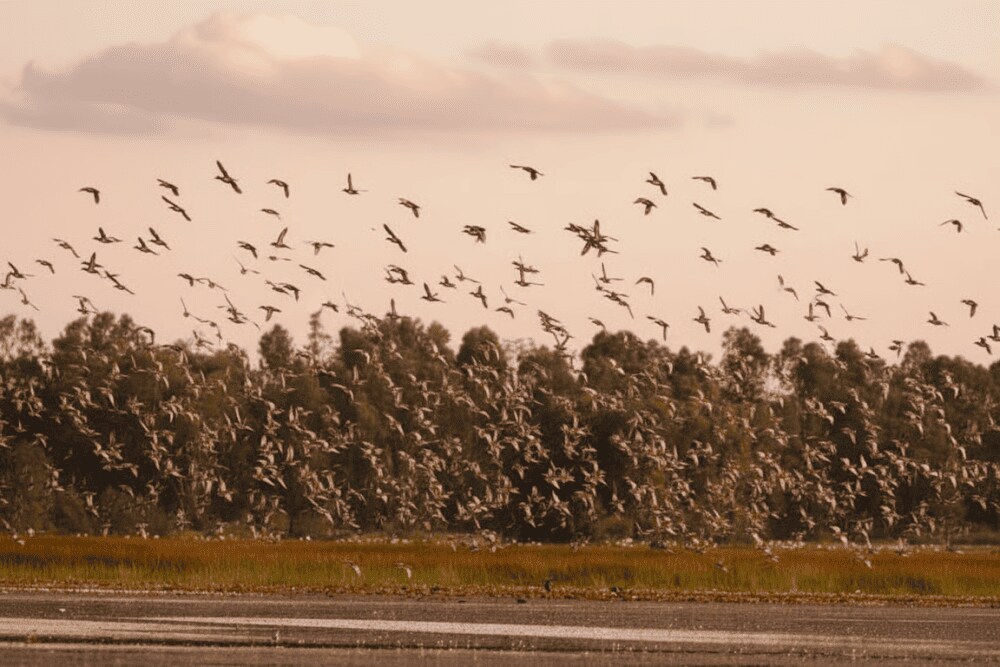
Tram Chim National Park & Xeo Quyt: A Symphony of Mekong Nature
"Explore Tram Chim National Park, a mystical Ramsar wetland home to rare Sarus cranes, and the historic Xeo Quyt relic site, immersing yourself in the wild beauty and riverine culture of Dong Thap."
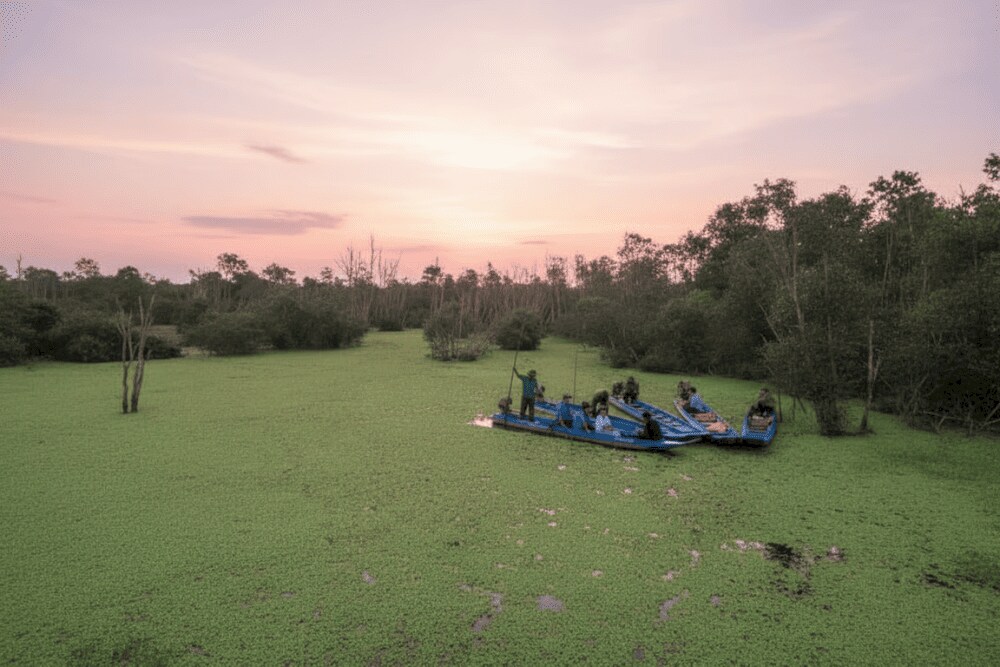
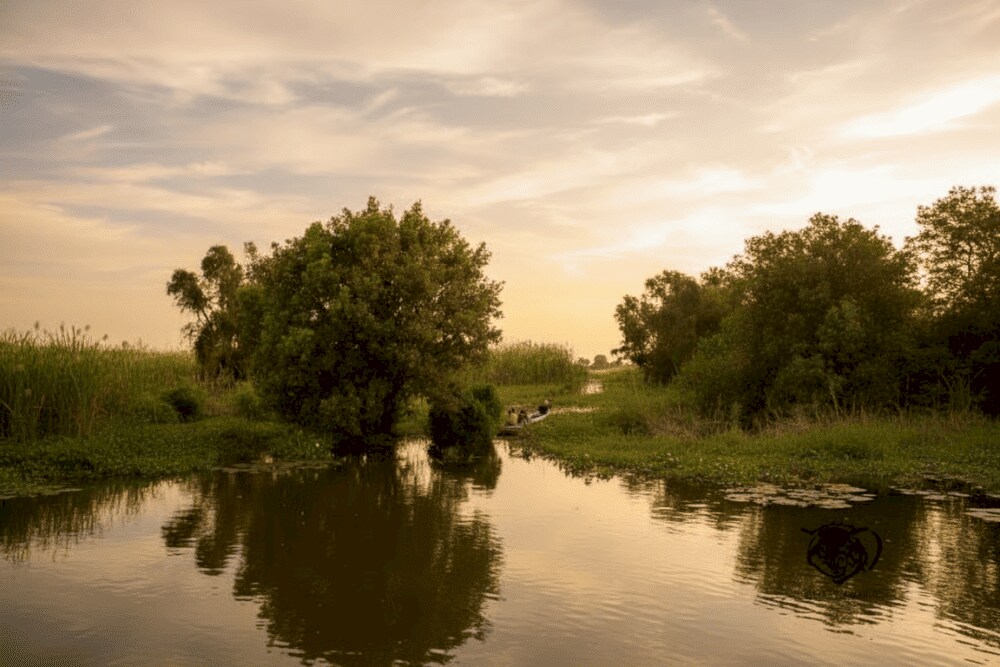
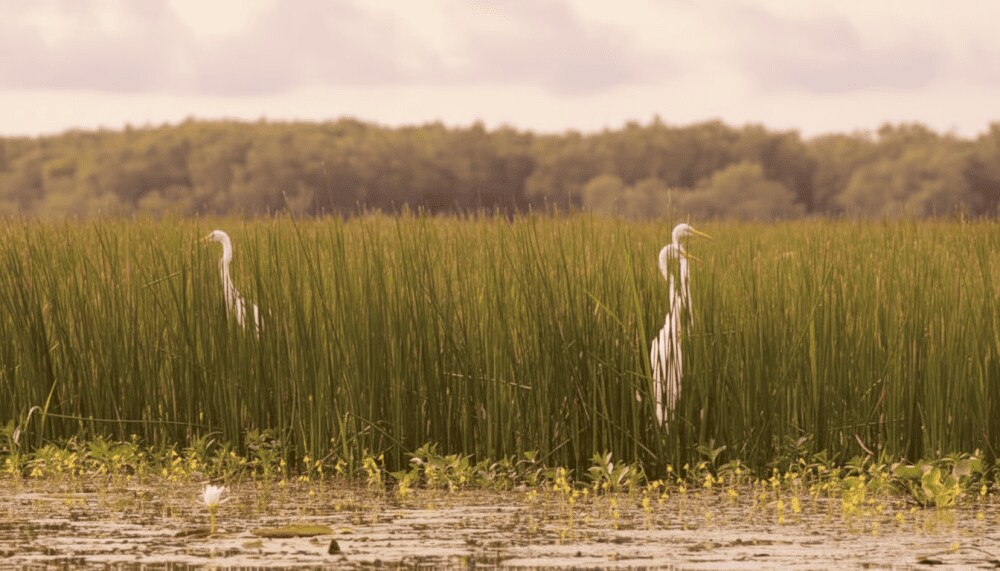
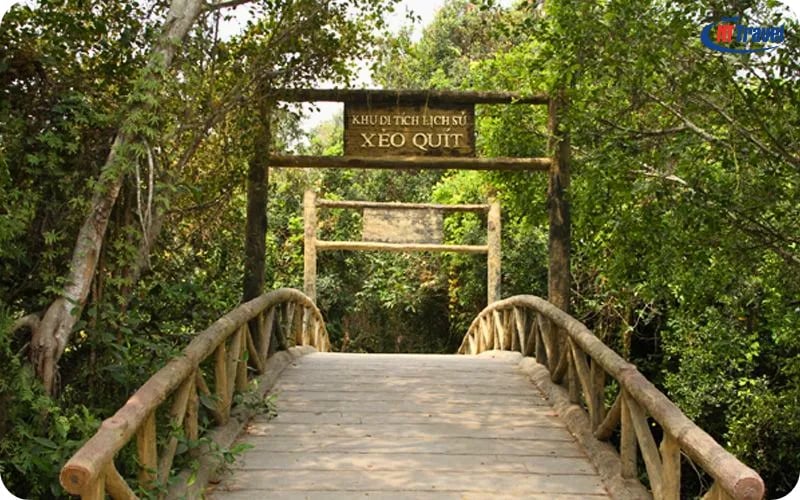
Step into Tram Chim National Park, and you'll be enveloped by an endless symphony of nature, where time seems to slow to the rhythm of Sarus cranes circling against the azure sky. This is more than just a conservation area; it’s the verdant heart of Dong Thap Muoi, a living legacy of the Mekong Delta. From vast melaleuca forests to blooming lotus and water lily fields, every moment at Tram Chim is a cinematic spectacle, inviting you to lose yourself in its pristine beauty and discover true tranquility. Nearby, Xeo Quyt opens another door, where a valiant history intertwines with mysterious melaleuca forests, recounting tales of resilience and the powerful spirit of the Dong Thap people.
Beauty Through Every Angle



Essential Information
This is an ideal time for river activities and enjoying the fresh, cool atmosphere.
Dry Season (January to June of the following year): Best for bird watching, especially the rare Sarus cranes.
The weather is dry, making it easy to navigate deeper into the park to observe nesting and breeding birds.
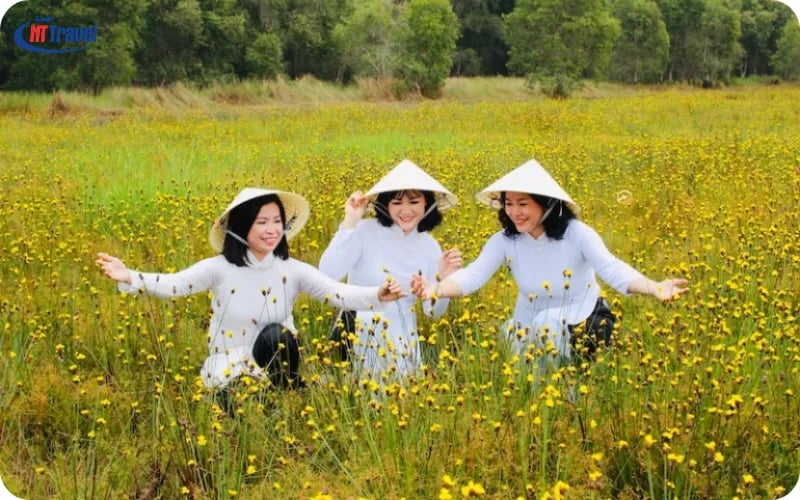
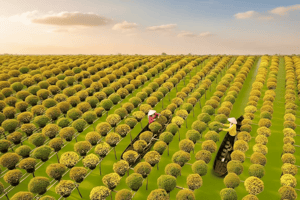
Yellow Sedge Flower Season (Mid-February to Late March): The entire field is covered in brilliant yellow, creating a fairytale-like scenery perfect for stunning photos.
Bladderwort Flower Season (January to April): These delicate flowers bloom with dreamy purple hues, adding a romantic touch to the park.
- Bus: Book tickets to Tam Nong (approx. 140,000 - 230,000 VND). From Tam Nong, take a taxi or motorbike taxi about 15km to Tram Chim (80,000 - 180,000 VND/one way).
- Private car/motorbike: Options include National Highway 1A via My Thuan Bridge, National Highway 30 to Cao Lanh, then Provincial Road 843; or National Highway 22 to Trang Bang, National Highway N2; or Trung Luong Expressway via Tan An, Tan Thanh, My An (Moc Hoa) crossroads to Truong Xuan, then Tram Chim. Fuel costs for a car are approximately 122,000 - 210,000 VND/one way, for a motorbike about 31,000 - 55,000 VND/one way.
From Can Tho:
- Private car/motorbike: Travel from the city center via My Thuan - Can Tho Expressway, then National Highway 30 (Cao Lanh - Dong Thap) to Tam Nong and into Tram Chim. Expressway tolls (for cars) are approximately 2,000 VND/km.
From distant provinces (Northern, Central Vietnam): It is advisable to fly to Ho Chi Minh City or Can Tho, then continue by bus or taxi to Tram Chim. Flight tickets start from 784,000 VND.
- Bring a raincoat, waterproof jacket, or umbrella, especially during the wet season.
- Apply high SPF sunscreen and wear a hat to protect your skin.
- Wear comfortable clothes, opting for light colors during the day to avoid heat; if birdwatching, choose darker clothing to avoid startling birds.
- Wear flat shoes or non-slip sandals for easy movement.
- Bring mosquito repellent spray or cream.
Adhere to Environmental Protection Regulations:
- Do not litter; maintain cleanliness.
- Do not pick flowers, break branches, hunt, or harm flora and fauna.
- Avoid loud noises to prevent disturbing wildlife.
- Do not bring strong-smelling food or alcoholic beverages into the park.
- Respect designated visiting hours and areas.
Ensure Safety:
- It is recommended to go in groups or hire a tour guide; do not separate from your group.
- Always wear a life jacket during water activities.
- Avoid getting too close to or provoking wild animals for your safety and theirs.
Other Notes:
- Book services (boats, guides) in advance, especially during holidays or peak seasons, to ensure availability and better prices.
- Respect the culture and customs of local people if you interact with them.
Specialties

Essential Information
This is an ideal time for river activities and enjoying the fresh, cool atmosphere.
Dry Season (January to June of the following year): Best for bird watching, especially the rare Sarus cranes.
The weather is dry, making it easy to navigate deeper into the park to observe nesting and breeding birds.
Yellow Sedge Flower Season (Mid-February to Late March): The entire field is covered in brilliant yellow, creating a fairytale-like scenery perfect for stunning photos.
Bladderwort Flower Season (January to April): These delicate flowers bloom with dreamy purple hues, adding a romantic touch to the park.
- Bus: Book tickets to Tam Nong (approx. 140,000 - 230,000 VND). From Tam Nong, take a taxi or motorbike taxi about 15km to Tram Chim (80,000 - 180,000 VND/one way).
- Private car/motorbike: Options include National Highway 1A via My Thuan Bridge, National Highway 30 to Cao Lanh, then Provincial Road 843; or National Highway 22 to Trang Bang, National Highway N2; or Trung Luong Expressway via Tan An, Tan Thanh, My An (Moc Hoa) crossroads to Truong Xuan, then Tram Chim. Fuel costs for a car are approximately 122,000 - 210,000 VND/one way, for a motorbike about 31,000 - 55,000 VND/one way.
From Can Tho:
- Private car/motorbike: Travel from the city center via My Thuan - Can Tho Expressway, then National Highway 30 (Cao Lanh - Dong Thap) to Tam Nong and into Tram Chim. Expressway tolls (for cars) are approximately 2,000 VND/km.
From distant provinces (Northern, Central Vietnam): It is advisable to fly to Ho Chi Minh City or Can Tho, then continue by bus or taxi to Tram Chim. Flight tickets start from 784,000 VND.
- Bring a raincoat, waterproof jacket, or umbrella, especially during the wet season.
- Apply high SPF sunscreen and wear a hat to protect your skin.
- Wear comfortable clothes, opting for light colors during the day to avoid heat; if birdwatching, choose darker clothing to avoid startling birds.
- Wear flat shoes or non-slip sandals for easy movement.
- Bring mosquito repellent spray or cream.
Adhere to Environmental Protection Regulations:
- Do not litter; maintain cleanliness.
- Do not pick flowers, break branches, hunt, or harm flora and fauna.
- Avoid loud noises to prevent disturbing wildlife.
- Do not bring strong-smelling food or alcoholic beverages into the park.
- Respect designated visiting hours and areas.
Ensure Safety:
- It is recommended to go in groups or hire a tour guide; do not separate from your group.
- Always wear a life jacket during water activities.
- Avoid getting too close to or provoking wild animals for your safety and theirs.
Other Notes:
- Book services (boats, guides) in advance, especially during holidays or peak seasons, to ensure availability and better prices.
- Respect the culture and customs of local people if you interact with them.