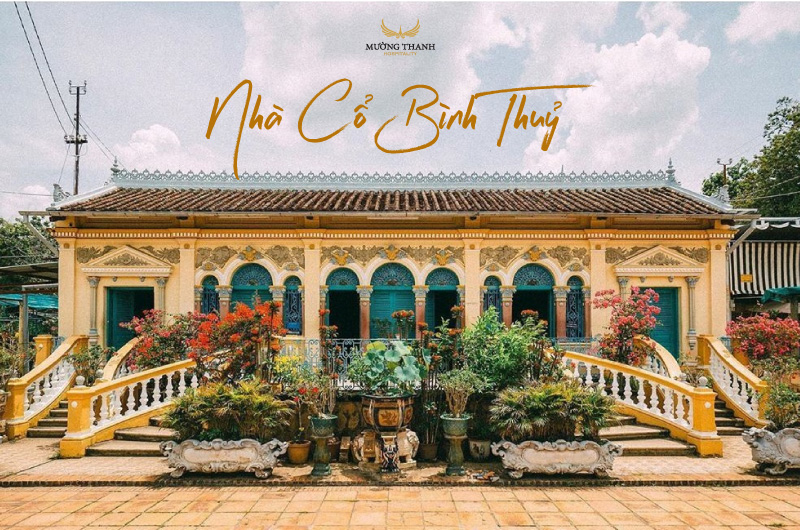
Binh Thuy Ancient House, located at 142/144 Bui Huu Nghia Street, Binh Thuy Ward, Binh Thuy District, Can Tho City, is not just a tourist destination but a vibrant symbol of unique cultural and architectural fusion. Built from 1870 and completed in 1911 by the Duong family, this over 150-year-old house proudly stands as one of the most prominent and well-preserved ancient houses in Can Tho. Covering an area of approximately 6,000 square meters, it was recognized by the Ministry of Culture as a national historical and artistic relic in 2009, affirming its immense value in the study of culture and customs of the Mekong Delta during the turn of the century.
The original owner of Binh Thuy Ancient House was Mr. Duong Chan Ky, a wealthy merchant and landowner with refined aesthetic tastes. He was always keen on exploring new trends, especially the burgeoning Western architectural styles of his time. It was this vision that led to the creation of a unique architectural masterpiece, seamlessly blending the elegant beauty of a classic French villa with profound Eastern feng shui elements. The house was constructed facing East-West, with its foundation raised one meter above the garden courtyard, creating a harmonious, balanced, and prosperous living space.
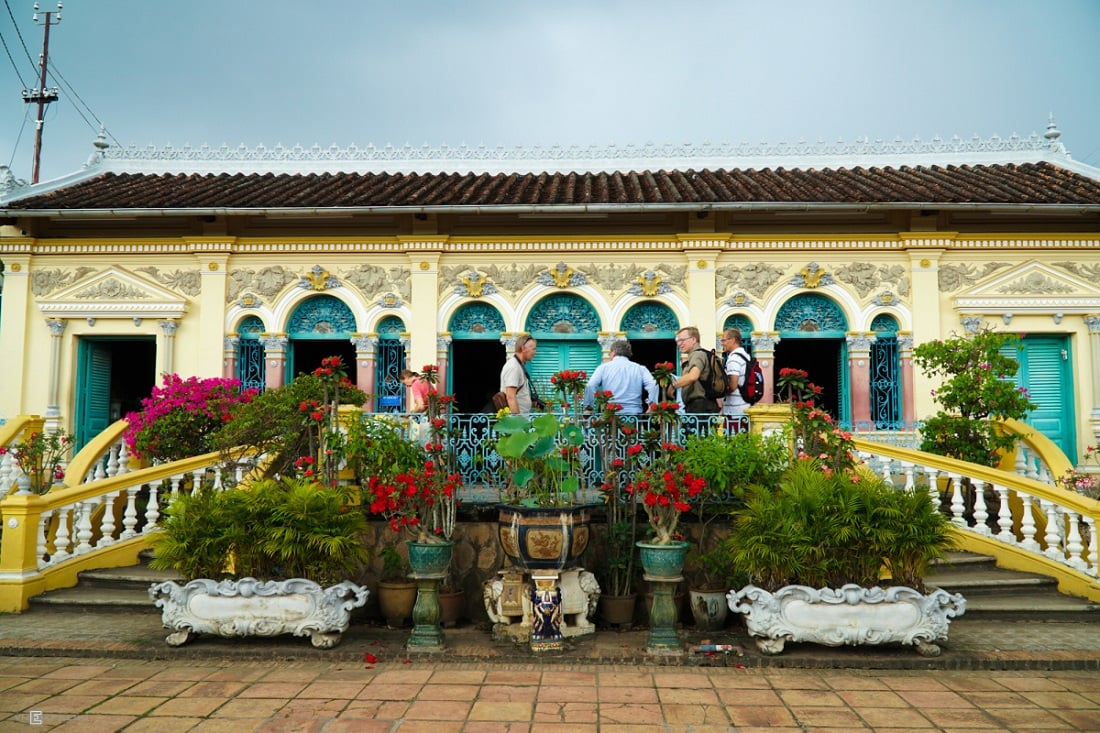
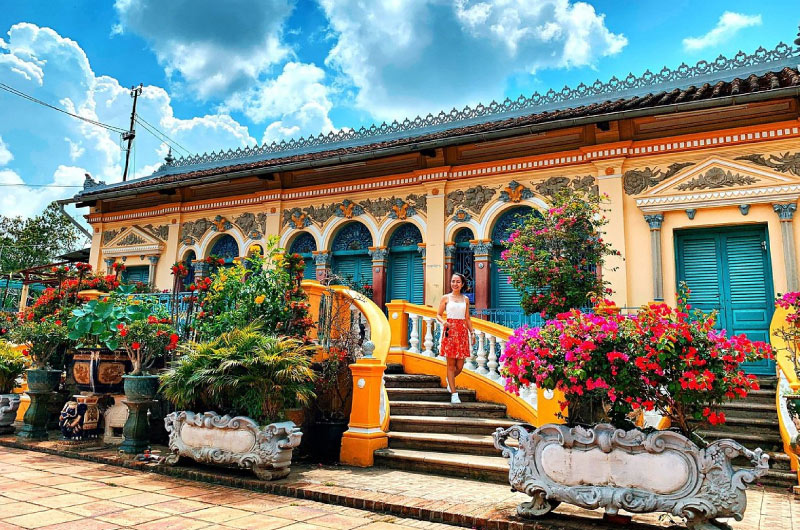
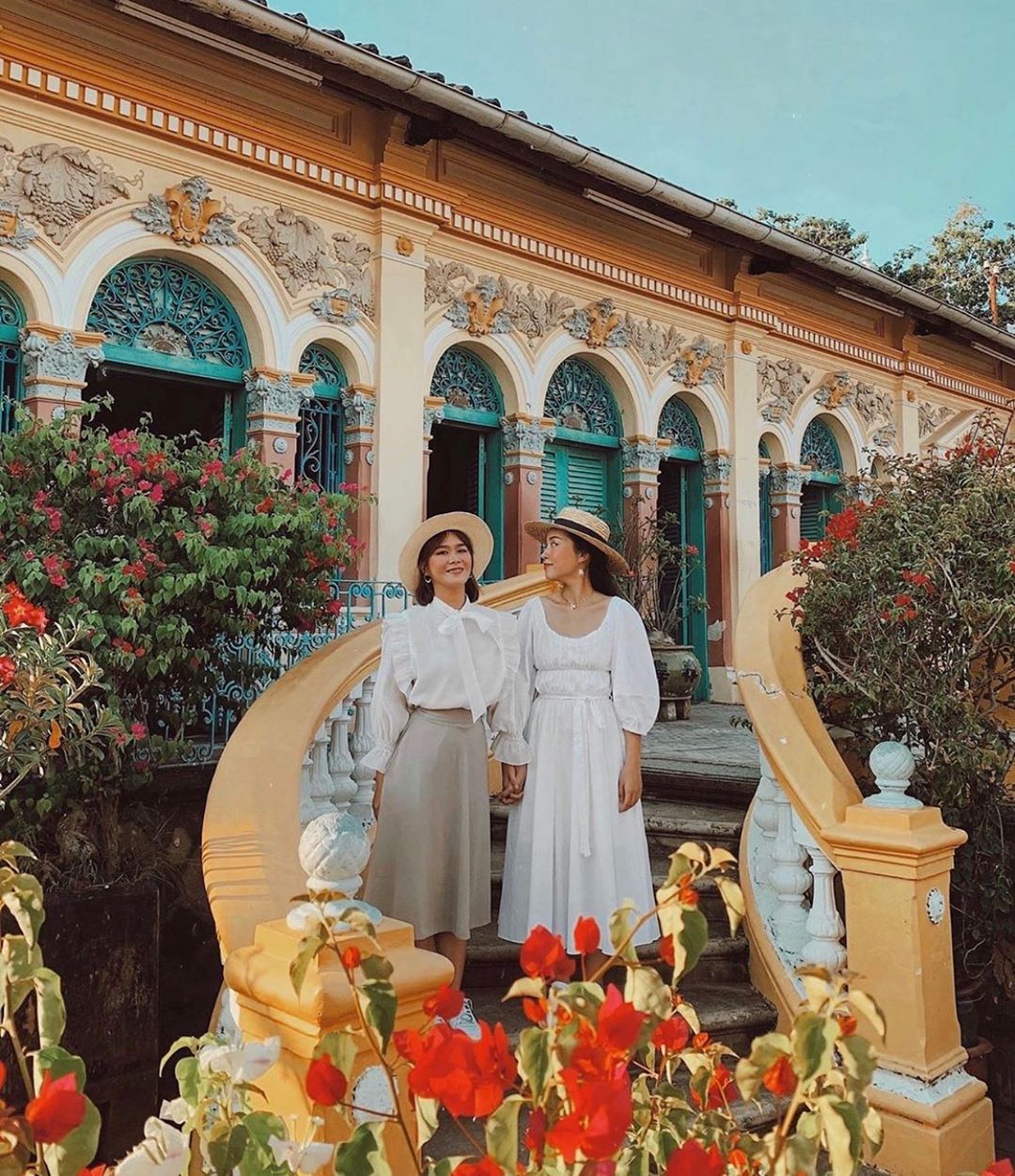
From the first glance, Binh Thuy Ancient House impresses with its unique architectural blend. The iron fence with concrete pillars hints at a modern influence, yet immediately, a traditional Chinese-style triple gate (tam quan) appears, subtly angled to the right according to feng shui principles, featuring four large pillars (two concrete, two wooden). The wooden beam system and the blue glazed tile roof, adorned with vibrant figures like golden fish,麒麟 (qilin), and floral motifs, exude an undeniable East Asian charm. Notably, two large signboards, 'Phuoc An Hieu' (Chinese) and 'Phu tho ho Duong' (Vietnamese), prominently grace the entrance. The house's exterior is further enhanced by intricate carvings and delicate patterns on its columns, arched doorways, and house trim, along with two graceful arched staircases leading inside, reminiscent of classic French mansions.
One of the most remarkable architectural and technical details of Binh Thuy Ancient House is its elevated foundation. The house was built on a significantly high foundation, not only to enhance its grand appearance but also to protect it from the common flooding in the Mekong Delta region during earlier times. More interestingly, during its construction, the Duong family laid a 10cm thick layer of salt beneath the floor tiles. This traditional practice, common among Southern Vietnamese, served multiple purposes: it helped deter insects, kept the house well-ventilated, and carried significant feng shui meaning, warding off evil spirits and wishing for peace and prosperity.
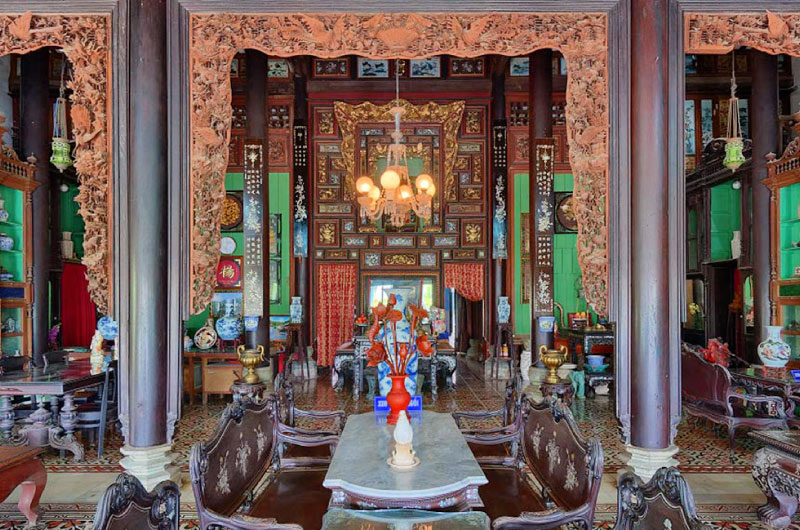
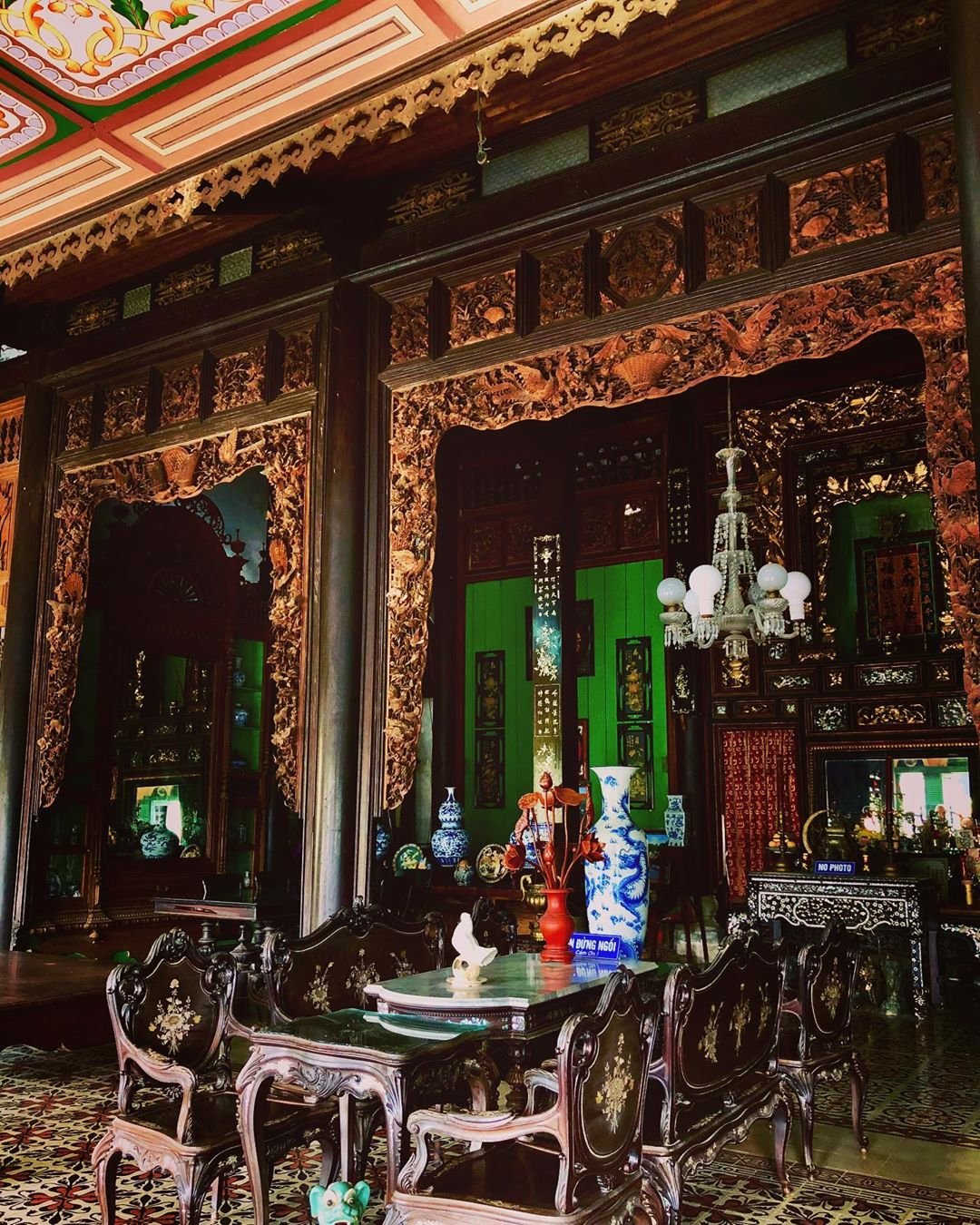
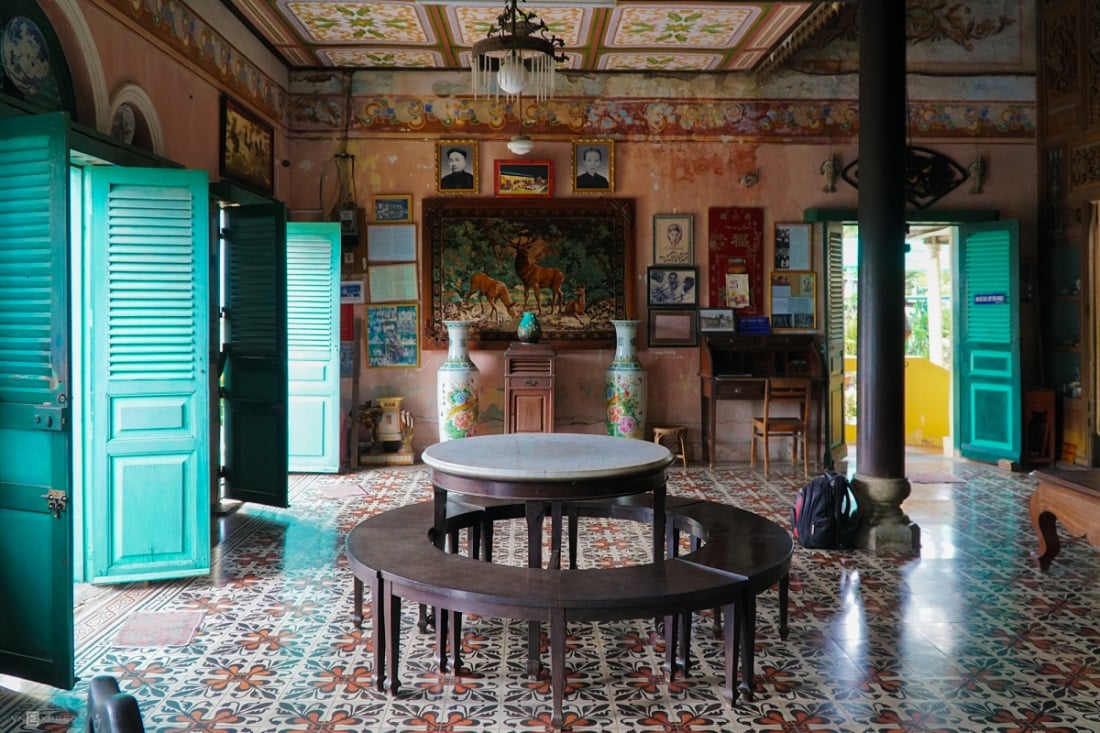
Stepping inside Binh Thuy Ancient House, visitors are captivated by its lavish yet refined interior. Breaking from the traditional three-compartment house layout of the Mekong Delta, the house is divided into a total of five compartments, creating a sense of spaciousness and grandeur. The deep-colored floor tiles, all imported directly from France, lend a classic European elegance. The front, middle, and rear sections of the house are built consecutively and separated by exquisitely carved wooden arched doorways. Elaborate false ceilings and tall, six-meter-high lim wood columns further attest to the family's wealth and prestige.
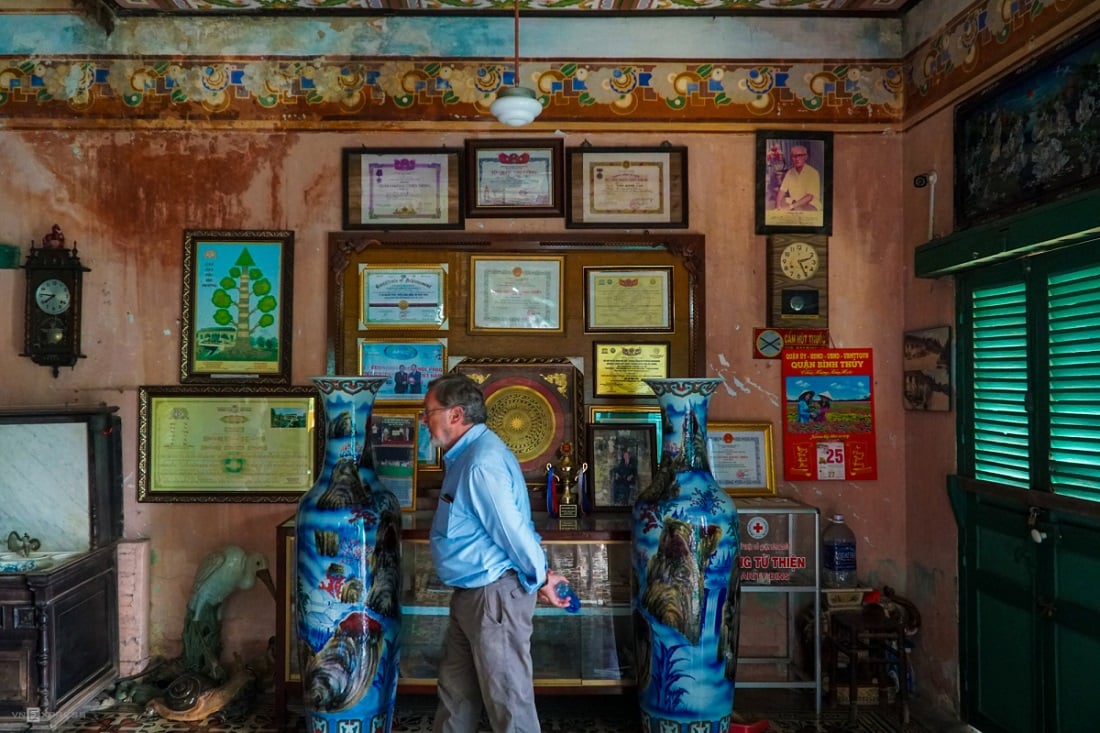
The interior of Binh Thuy Ancient House is a treasure trove of valuable antiques, symmetrically arranged to faithfully recreate the image of a prosperous family. The living room exudes a classical European style with a Louis XV French salon set, dazzling crystal chandeliers, and antique bronze lamps. Meanwhile, other spaces display opulent East Asian artifacts: a Ming-Thanh dynasty wine set, a rare green-veined marble table set from Yunnan, and a 1.2-meter-tall blue-enameled jade vase. These antiques hold not only historical and artistic value but also serve as testaments to the vibrant cultural exchange that flourished in the region.
Beyond its architecture and antiques, Binh Thuy Ancient House is also renowned for its precious orchid garden, cultivated by the Duong family descendants since the 1960s. The expansive garden, home to many rare orchid species, evokes the ancient 'Orchid Appreciation Gathering' (Tao đàn thưởng lan) and provides a refreshing, tranquil green highlight to the house. Another unique aspect is that despite its prominent East-West fusion, the family's altar area retains a distinctly pure Vietnamese essence. This demonstrates the Duong family's sophistication and aesthetic discernment, embracing modernity while preserving and cherishing the soul of their national identity in their spiritual practices.
With its unique historical and artistic value, Binh Thuy Ancient House quickly became an ideal setting for numerous acclaimed films of its era. Classic movies such as 'The Beauty of Tay Do,' 'Prince Bac Lieu,' 'The Mekong Delta's Winding Paths,' and 'The River of White Flowers' were filmed here, vividly portraying Mekong Delta culture and touching the hearts of audiences. Furthermore, the house proudly served as the main filming location for the internationally renowned film 'The Lover' (L'Amant - 1992) by French director Jean Jacques Annaud, bringing its ancient beauty to a global audience.
The entrance ticket to Binh Thuy Ancient House allows for unlimited visiting time, so you can leisurely explore and capture beautiful moments. With its ancient architecture, serene corners, and lush green gardens, it's an ideal location for vintage-style photography. For the most striking pictures, consider wearing classic, muted-colored attire that complements the traditional ambiance. The house has been a favorite 'check-in' spot for many photographers and couples, offering poetic shots that preserve unforgettable memories.
After your journey exploring the architectural beauty and history of Binh Thuy Ancient House, don't forget to dedicate time to savor Can Tho's rich culinary scene. The Mekong Delta is renowned for its rustic yet flavorful dishes, boasting unique tastes found nowhere else. From familiar breakfast staples to celebrated specialties, Can Tho promises to satisfy every palate, concluding your cultural exploration with unforgettable gastronomic experiences.
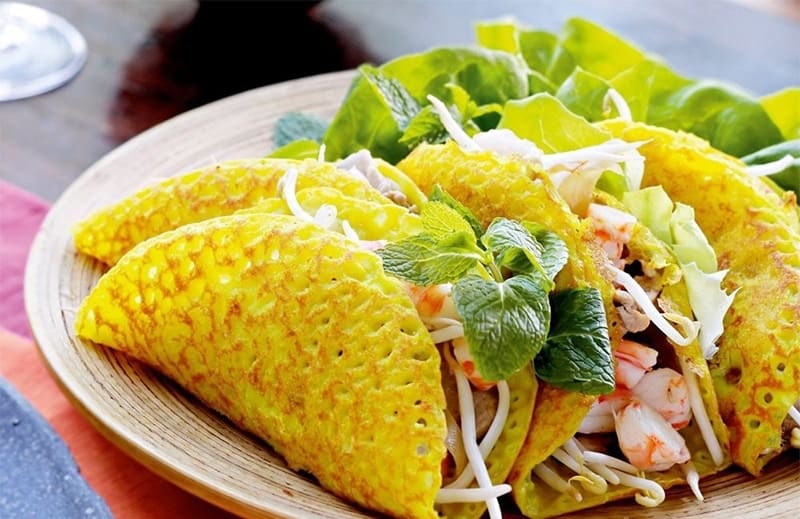
Unlike Central Vietnamese Banh Xeo, Can Tho's version boasts an impressive size, resembling a small tray. It's made from finely ground rice flour mixed with rich, fragrant coconut milk. The pancake is generously filled with shrimp, pork, mung beans, bean sprouts, and sometimes crunchy coconut palm hearts. This dish is best enjoyed with fresh wild herbs like 'la cach,' mango shoots, mustard greens, and dipped in a special sweet and sour fish sauce. Banh Xeo Chi Muoi and Chi Ba restaurants are famous spots you shouldn't miss.
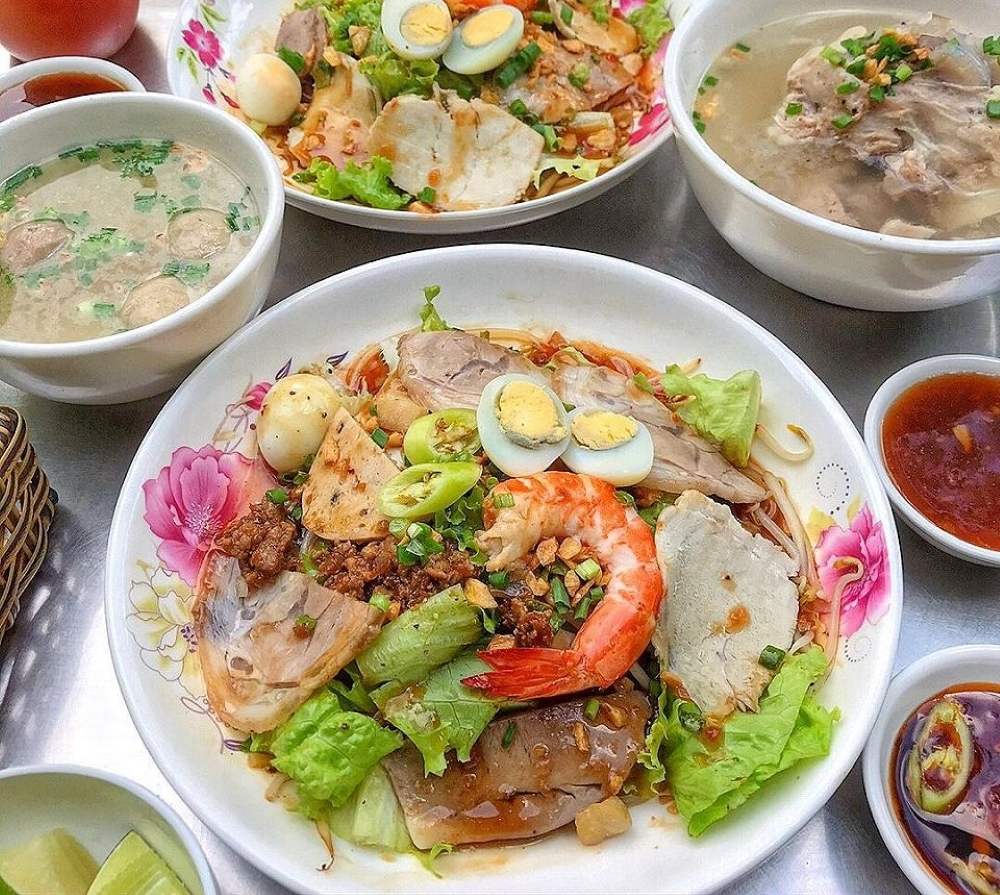
Can Tho's dry Hu Tieu, originating from Sa Dec, makes a strong impression with its distinctively soft yet chewy noodles, mixed thoroughly with a secret savory-sweet sauce. A generous bowl of hu tieu is loaded with toppings including sliced boiled pork, tender quail eggs, soft pork liver, crispy pork cracklings, and fresh herbs. It comes accompanied by a piping hot, savory broth simmered from bones, creating a harmonious and unforgettable flavor. This dish is ideal for an energizing breakfast or a light evening snack. Recommendation: Hu Tieu Sau Hoai near Cai Khe market is an excellent choice.
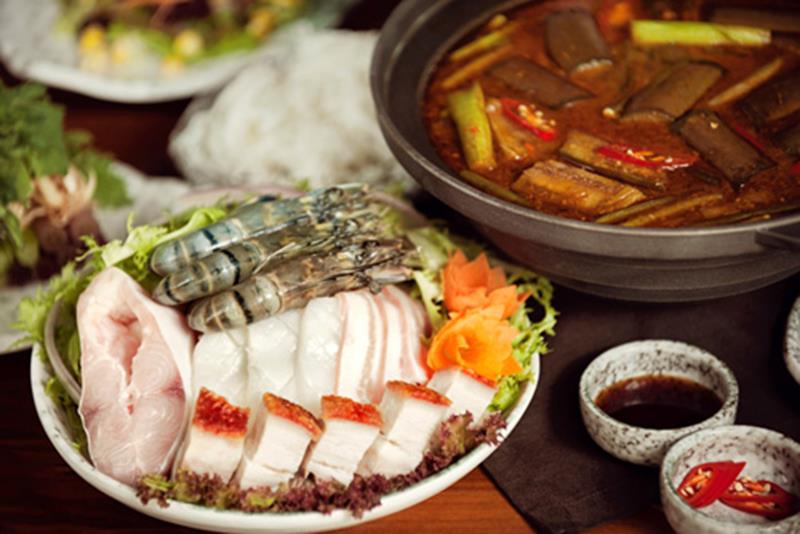
Lau Mam (fermented fish hotpot) in Can Tho is an unmissable specialty, standing out with its rich fermented fish sauce flavor, cooked with fragrant lemongrass and garlic. The sweet broth, infused with various freshwater fish, shrimp, and squid, combines with the distinctive scent of the fermented fish to create an irresistible allure. This dish is incomplete without a generous array of Mekong Delta vegetables like water lilies, sesbania flowers, water mimosa, and more. Although its aroma can be quite potent, those who acquire a taste for it will become 'addicted' and forever cherish this unique flavor. Lau Mam Da Ly or Co Ba restaurants are highly recommended by diners.
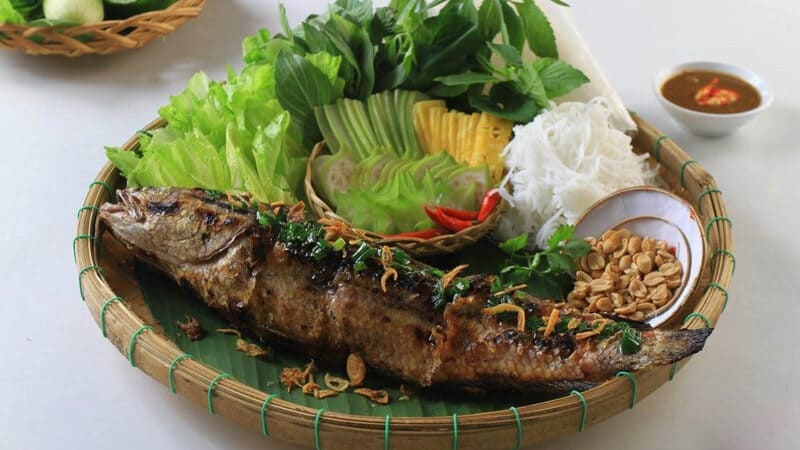
Ca Loc Nuong Trui (grilled snakehead fish) is a simple, rustic dish that nevertheless captivates hearts with its distinctive delicious flavor. Fresh snakehead fish is grilled whole over straw, resulting in a crispy, charred skin while the flesh inside remains wonderfully tender, sweet, and naturally aromatic. When eaten, diners simply wrap the fish in rice paper with fresh herbs, cucumber, and dip it in savory fermented fish sauce (mam nem) to create a truly memorable experience. This dish is a staple in most famous ecological tourist areas like My Khanh and Phu Sa.