Vietnam Canvas
Hero Image
Spiritual, Culture

Bai Dinh Pagoda - A Journey to the Sacred Buddhist Land

The North
6 min read

"Bai Dinh Pagoda, hailed by some as the largest pagoda complex in Vietnam and Southeast Asia, is nestled in Ninh Binh, at the western gateway of the ancient capital Hoa Lu. This profound Buddhist center is steeped in history and culture, boasting numerous impressive records and drawing millions of visitors and devotees annually."

Bai Dinh Pagoda is not merely a monumental spiritual architectural complex but also a treasure trove of history, where the spiritual essence of heaven and earth converges with the imprints of numerous Vietnamese feudal dynasties. From the ancient caves on the slopes of Trang An mountain to the grand modern structures, Bai Dinh carries the story of Buddhism's development as the national religion, and of the Saints and Deities who shaped this land of exceptional talent and spiritual power. It has become an indispensable pilgrimage and tourist destination, where every step touches the past and looks towards eternal spiritual values.

Beauty Through Every Angle
Nestled amidst majestic limestone mountains and vast lake valleys at the western gateway of Hoa Lu A...
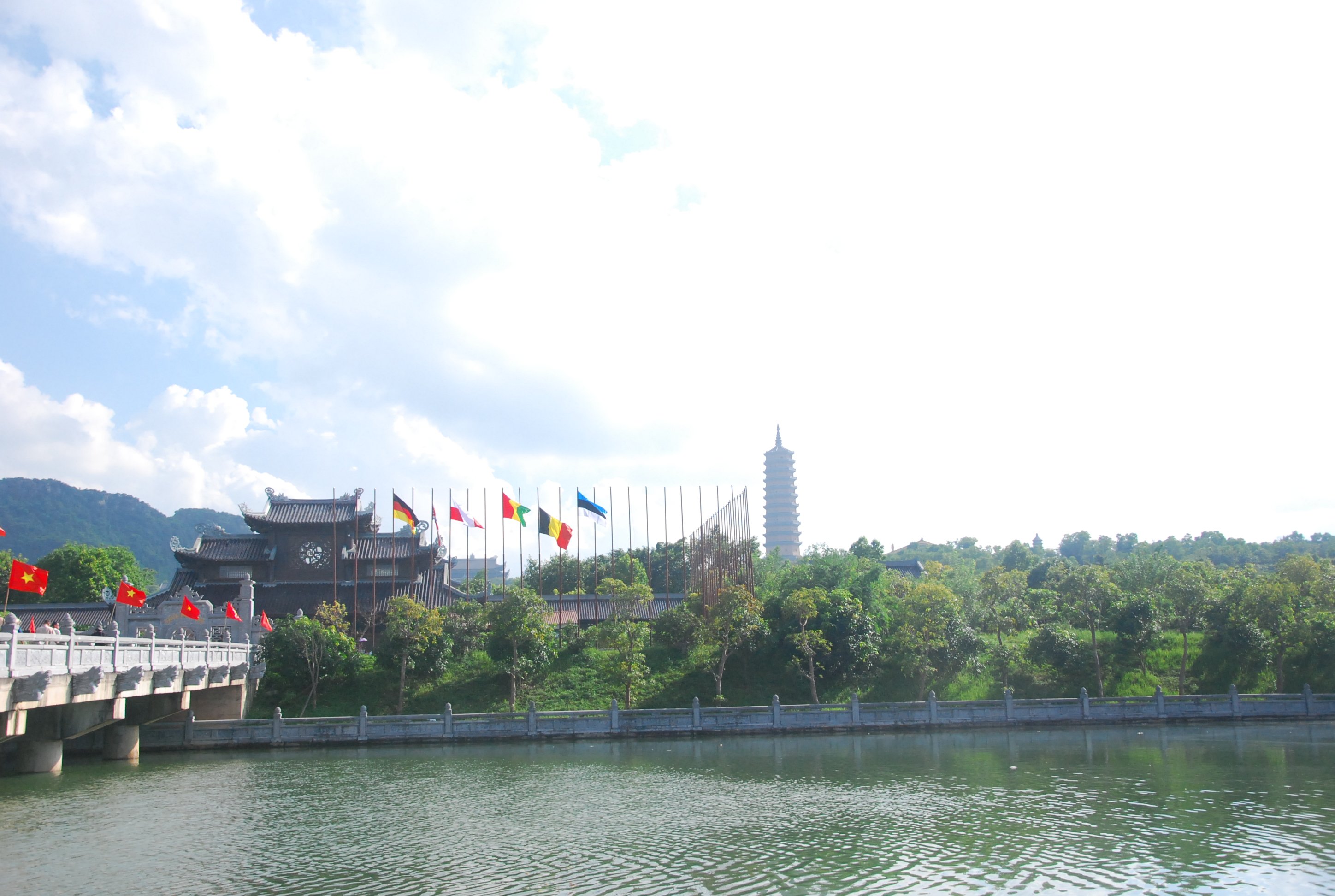
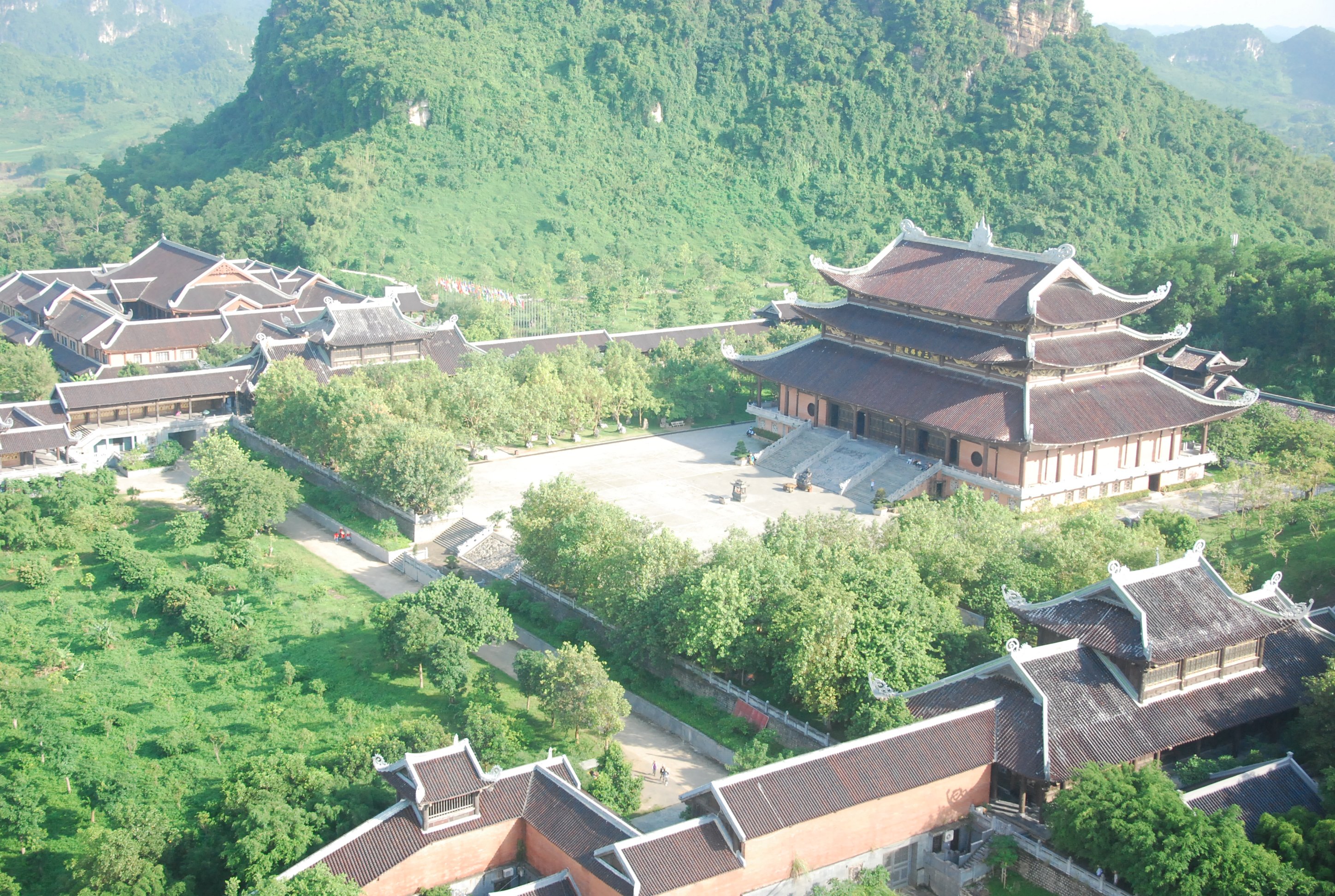
Nestled amidst majestic limestone mountains and vast lake valleys at the western gateway of Hoa Lu Ancient Capital, Bai Dinh Pagoda is not just a famous landmark but also a spiritual symbol of Ninh Binh province. Located about 95km from Hanoi, this colossal pagoda complex belongs to the core zone of the Trang An World Heritage site, where the Dinh, Early Le, and Ly dynasties chose Buddhism as the national religion, creating a profound spiritual legacy.
The history of Bai Dinh Pagoda is intertwined with over a millennium of Vietnamese Buddhism's ups and downs. From the Dinh, Early Le, and Ly dynasties, which elevated Buddhism to the national religion, the Hoa Lu - Ninh Binh region became a hub for numerous ancient pagodas. The ancient Bai Dinh Pagoda, founded in 1136 by Zen Master Nguyen Minh Khong, is a vivid testament to that golden era, a place where, according to folk beliefs, "kings, saints, and deities were born."
Approximately 800m from the new complex, the ancient Bai Dinh Pagoda is nestled on a quiet mountains...
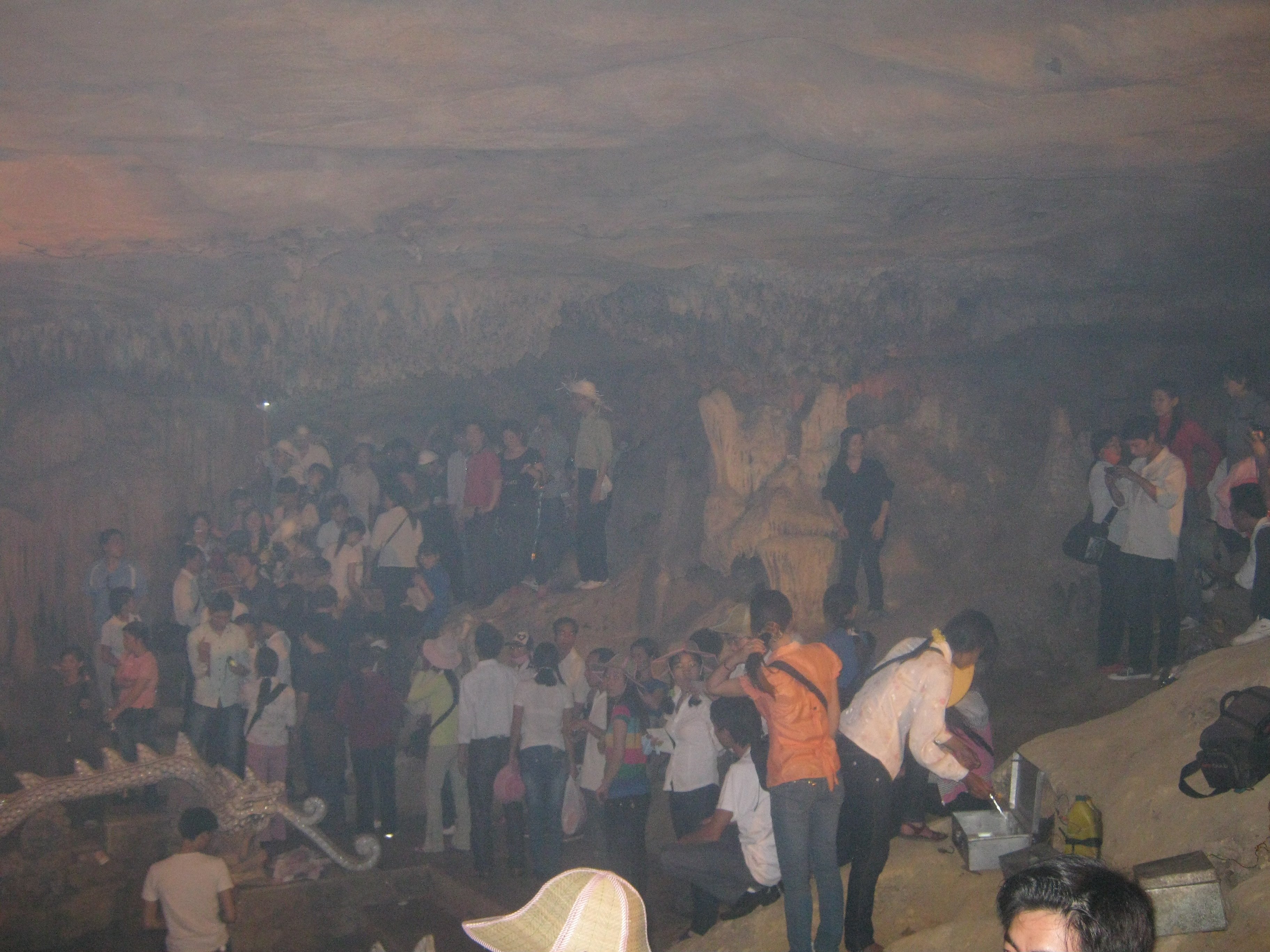
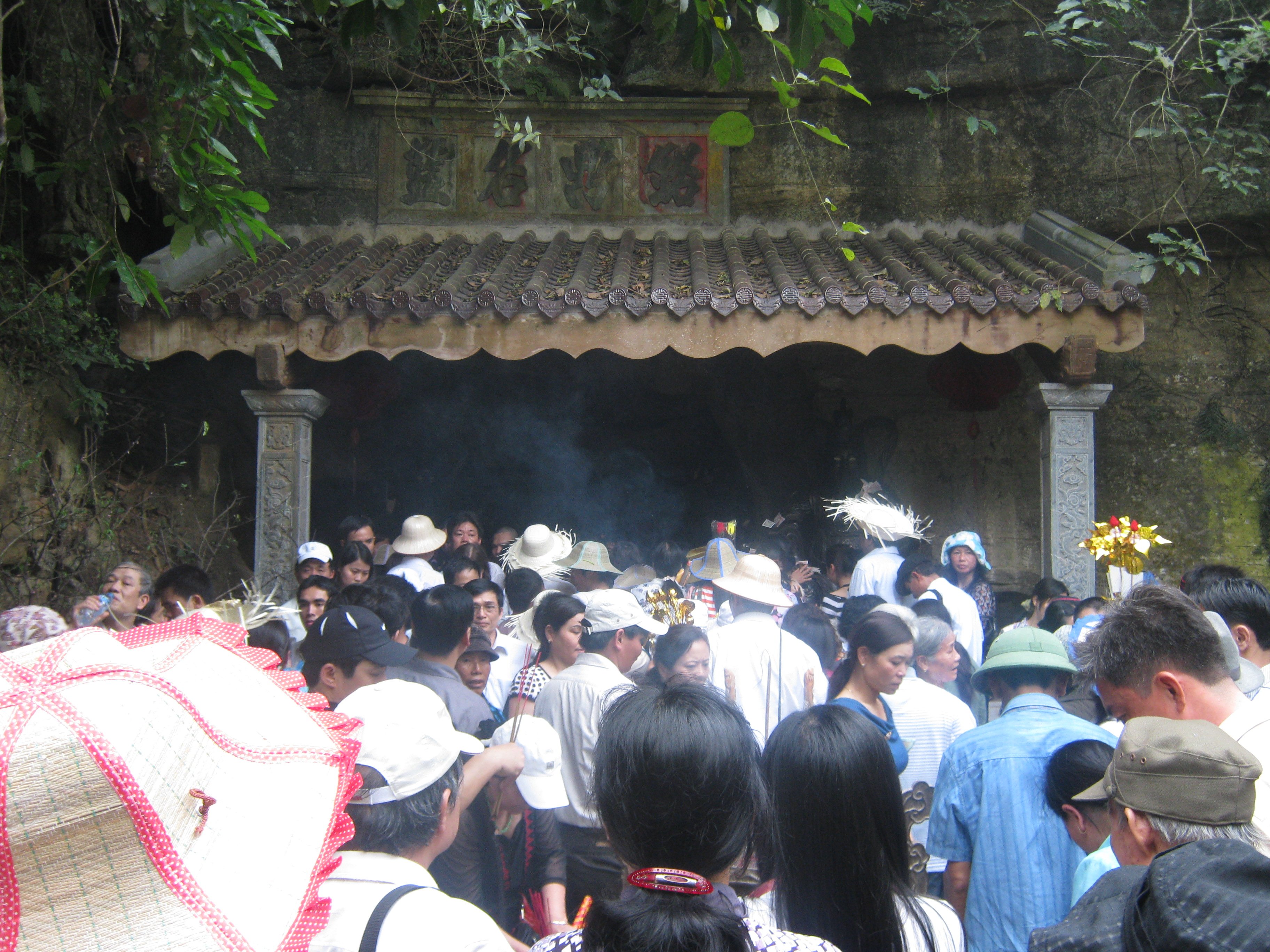
Approximately 800m from the new complex, the ancient Bai Dinh Pagoda is nestled on a quiet mountainside, facing west. It is a complex of sacred caves featuring the Front Hall, the Bright Cave (Hang Sang) dedicated to Buddha and Cao Son Deity, the Temple of Saint Nguyen Minh Khong, and the Dark Cave (Dong Toi) worshipping the Mother Goddess and Immortals. To reach it, visitors must ascend over 300 stone steps, a journey that purifies the soul amidst majestic natural scenery, where King Le Thanh Tong once bestowed the four characters "Minh Đỉnh Danh Lam" (Illustrious Peak, Famous Scenery) and left a poem praising its beauty.
The ancient Bai Dinh Pagoda is closely associated with the life and merits of Ly Quoc Su Nguyen Minh...
The ancient Bai Dinh Pagoda is closely associated with the life and merits of Ly Quoc Su Nguyen Minh Khong (1065-1141), revered by the people as "Saint Nguyen." Legend has it that he discovered these beautiful caves while searching for medicinal plants to cure King Ly Than Tong's tiger transformation illness. He built a pagoda to worship Buddha and established a precious herb garden to heal the populace. Near the foot of ancient Bai Dinh is the Jade Well (Gieng Ngoc), where he supposedly drew water for medicine. The well has been rebuilt in a crescent moon shape, 30m in diameter, 6m deep, and never dries up – a recognized record as the "Largest Well in Vietnam."
Initiated in 2003, the new Bai Dinh Pagoda complex is a colossal project spanning 80 hectares, situa...
Initiated in 2003, the new Bai Dinh Pagoda complex is a colossal project spanning 80 hectares, situated opposite the ancient pagoda across a mountain. Designed by Professor Hoang Dao Kinh, the new pagoda boasts distinct Vietnamese architectural identity, utilizing local materials like Ninh Binh bluestone, precious ironwood, Bat Trang glazed tiles, and notably featuring soaring curved roofs resembling phoenix tails. This site continually sets impressive records, becoming a source of pride for Vietnamese Buddhism and culture.
The new pagoda complex features a series of large-scale structures:
*   **Tam Quan Gate:** Adorned w...
The new pagoda complex features a series of large-scale structures:
* Tam Quan Gate: Adorned with two Hộ Pháp (Guardian) statues (Mr. Thiện and Mr. Ác) made of bronze, 5.5m tall, weighing 12 tons, and eight Kim Cương statues.
* Arhat Corridor: Stretching 1052m, comprising 234 sections, displaying 500 monolithic bluestone Arhat statues, each 2.5m tall and weighing 4 tons, depicting a myriad of vivid poses – "Longest Arhat Corridor in Asia."
* Bell Tower: 22m high, housing a Great Bell weighing 36 tons – "Largest Bronze Bell in Vietnam."
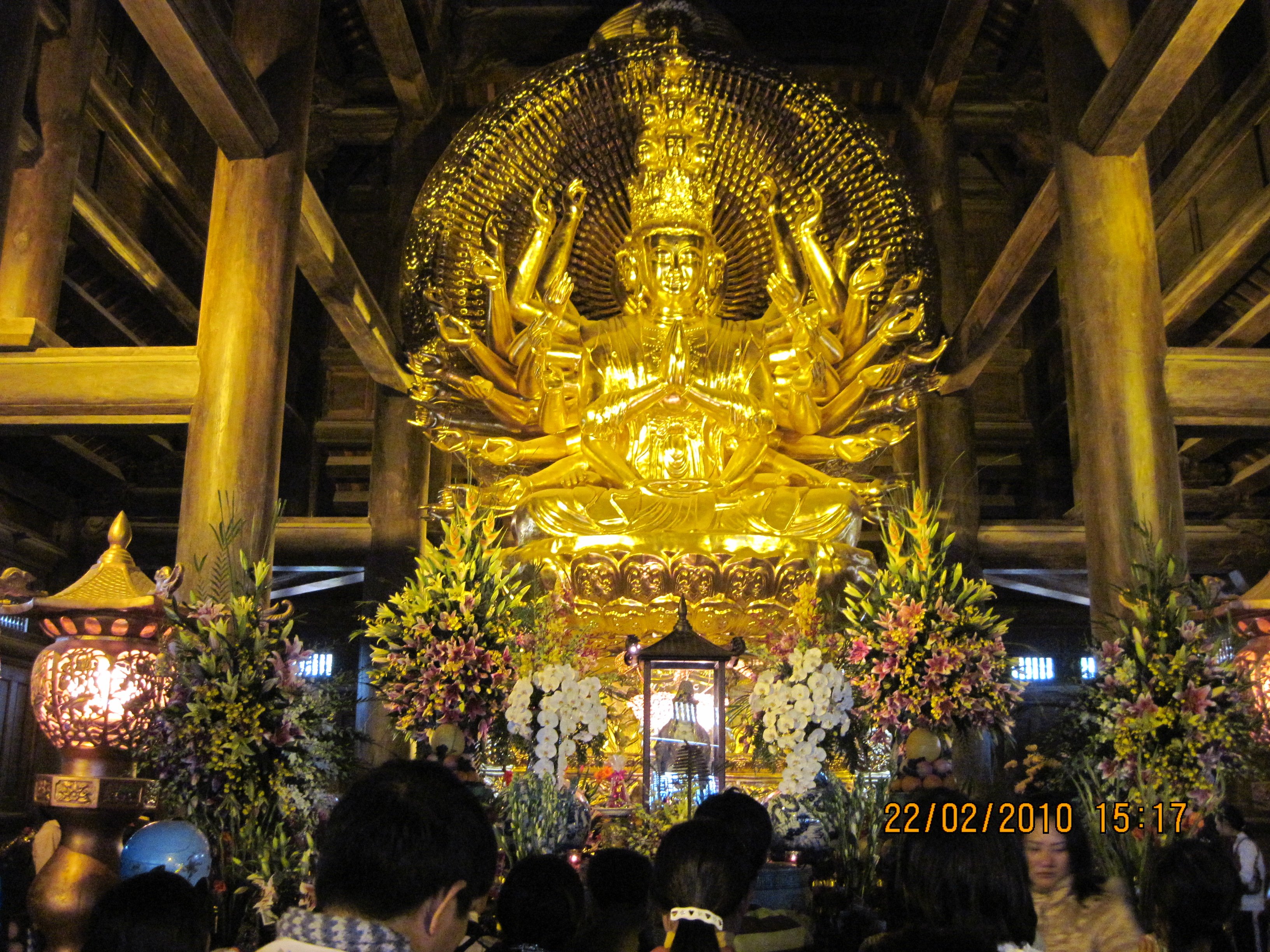
* Quan Am Hall: Dedicated to an 80-ton, 9.57m tall bronze statue of the One Thousand-Armed, One Thousand-Eyed Avalokiteshvara Bodhisattva – "Largest Bronze Avalokiteshvara Bodhisattva Statue in Vietnam."
* Phap Chu Hall: Houses a 10m tall, 100-ton bronze statue of Buddha Shakyamuni – "Largest Bronze Shakyamuni Buddha Statue in Vietnam."
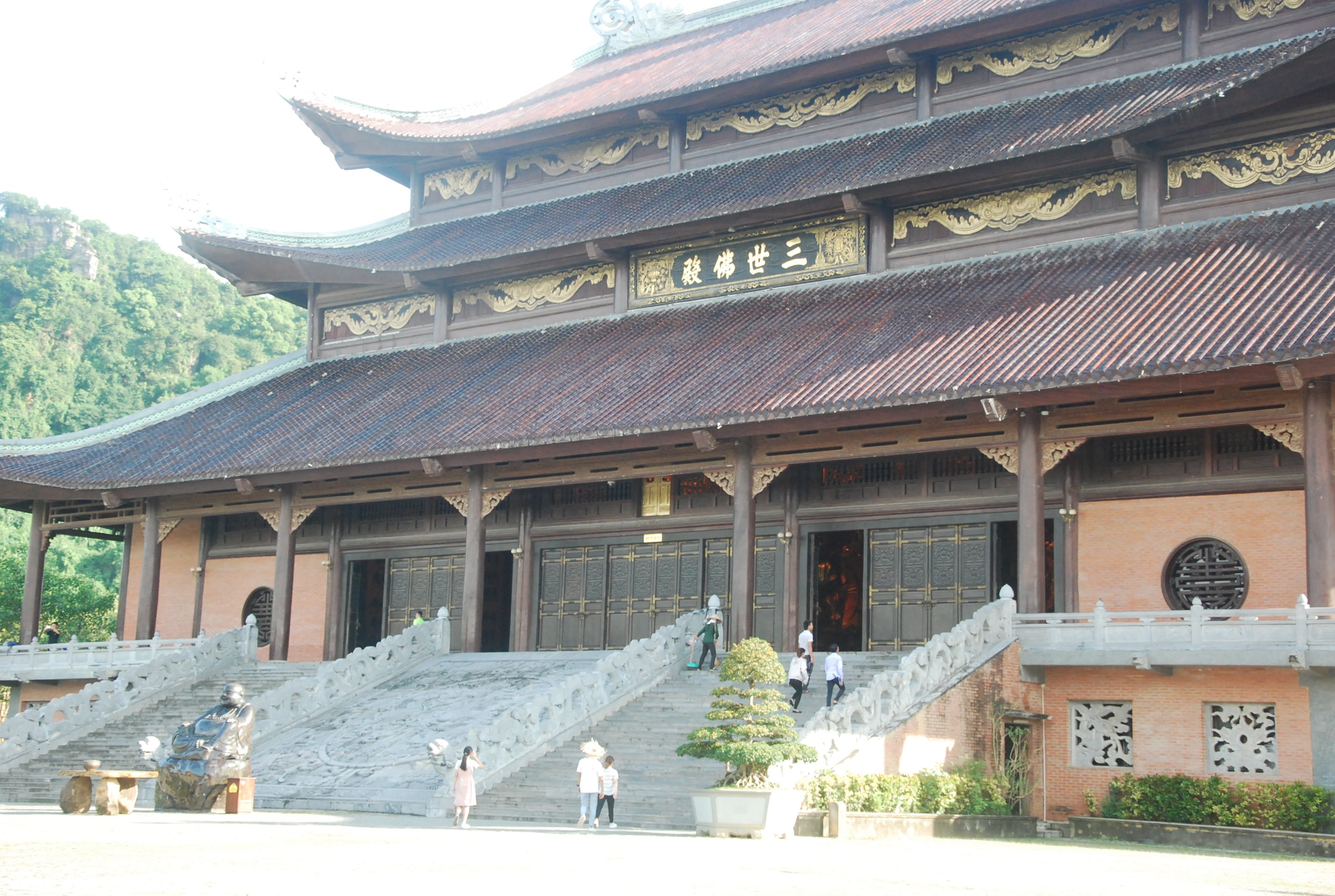
* Tam The Hall: Located on a hill 76m high, enshrining three bronze statues of the Buddhas of the Three Times (past, present, future), each 7.2m tall and weighing 50 tons – "Largest Set of Three Bronze Buddha Statues in Vietnam."
* Maitreya Buddha Statue: Made of bronze, weighing 80 tons, 10m tall – "Largest Bronze Maitreya Buddha Statue in Southeast Asia."
* Bao Thap (Stupa): Over 100 meters tall, with 13 stories, displaying sacred Buddha relics from India and Myanmar – "Tallest Stupa in Asia."
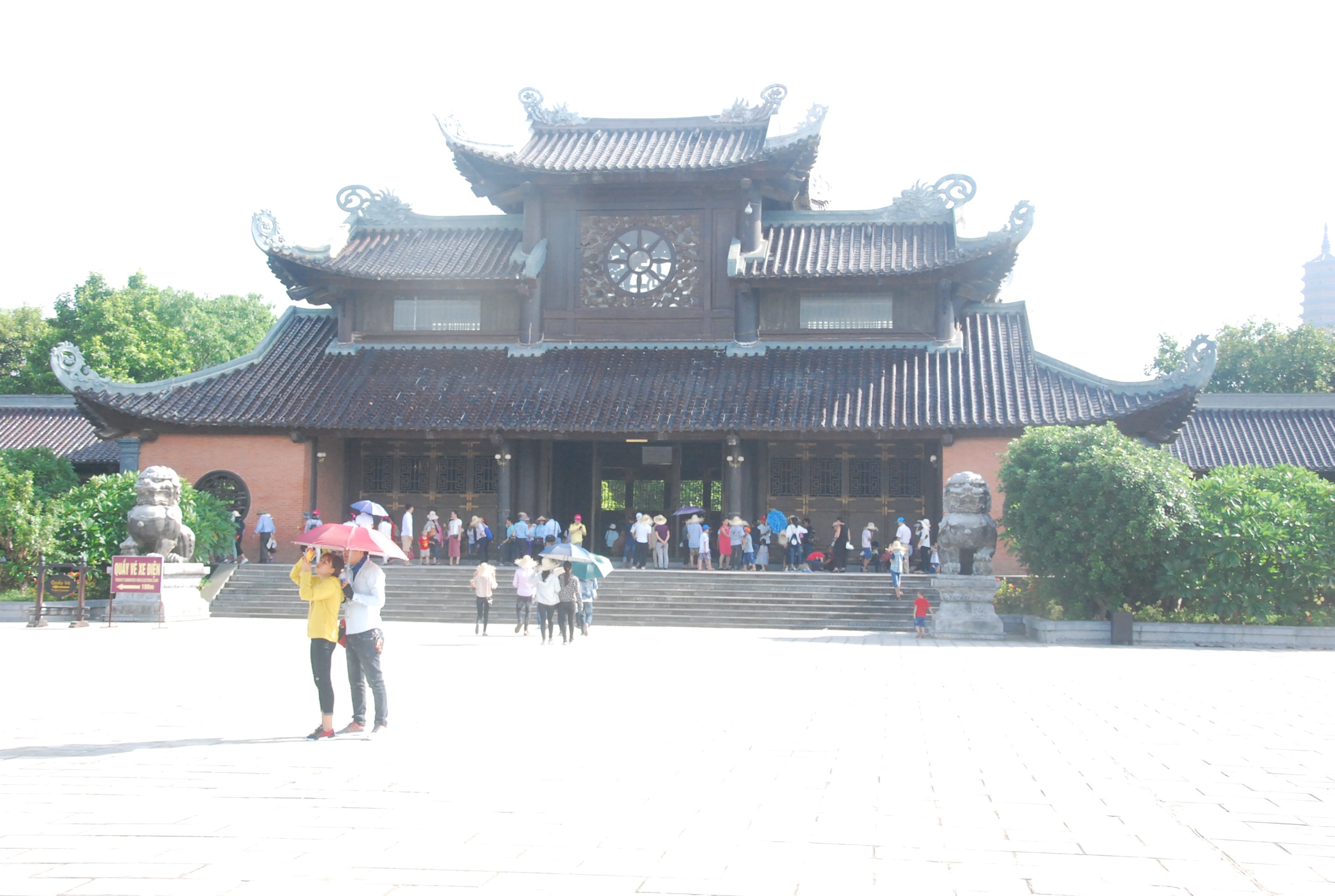
Bai Dinh Pagoda is not merely a tourist attraction but also an international Buddhist center. It has had the honor of hosting numerous significant events, such as the World Buddha's Birthday Celebration (2008), the Grand Ceremony to Welcome Buddha's Relics from India to Vietnam (2010), and notably, the UN Vesak Celebration 2014, attracting thousands of leaders, scholars, and Buddhists from across the globe. These events affirm Bai Dinh's position on the global Buddhist map.
Taking place from the afternoon of the 1st day of Tet and lasting until the end of Lunar March, the Bai Dinh Pagoda Festival is one of the largest spring festivals in Northern Vietnam, kickstarting the pilgrimage season in Ninh Binh. The festival includes a ritual part with incense offerings, remembrance of Saint Nguyen Minh Khong, worship of Cao Son Deity, and veneration of the Mother Goddess of the Mountains; and a festive part with folk games, cave visits, and performances of Cheo and Xam singing. Notably, the festival also re-enacts King Quang Trung's flag-offering ceremony on Dinh Mountain before his decisive victory over the Qing invaders, blending Buddhist, Mother Goddess, and Confucian beliefs.
The architecture of the new Bai Dinh Pagoda is a harmonious blend of grandeur and traditional Vietna...
The architecture of the new Bai Dinh Pagoda is a harmonious blend of grandeur and traditional Vietnamese identity. From materials like ironwood, Ninh Binh bluestone, Bat Trang glazed tiles to the carving techniques of Ninh Van, bronze casting of Ý Yên, embroidery of Van Lam, and lacquerware of Cat Dang, every detail bears the imprint of famous Vietnamese craft villages. Notably, the uniquely curved phoenix-tail roofs create a purely Vietnamese aesthetic, distinctly different from pagoda architectures in neighboring regions.
Bai Dinh Pagoda is an inseparable part of the Trang An Scenic Landscape Complex – a UNESCO World Her...
Bai Dinh Pagoda is an inseparable part of the Trang An Scenic Landscape Complex – a UNESCO World Heritage site. The pagoda's strategic location at the western gateway of the ancient capital Hoa Lu, along with its majestic limestone mountains, caves, and winding rivers, creates a magnificent natural tableau, harmoniously blending with cultural and historical values. Visiting Bai Dinh, travelers not only engage in spiritual worship but also marvel at the exquisite beauty of "Ha Long Bay on land."

Essential Information

Best Time
Spring (Lunar January to March) is the most ideal time to visit Bai Dinh, when the lively festival takes place and the pilgrimage atmosphere is bustling. However, if you wish to avoid crowds, you can visit in autumn or on weekdays to experience the pagoda's tranquility and majestic beauty.
Transportation
Bai Dinh Pagoda is approximately 95 km from Hanoi and 15 km from Ninh Binh city center.
* Bus/Limousine: From Hanoi, there are many high-quality buses or limousines to Ninh Binh. From there, you can take a taxi or motorbike taxi to the pagoda.
* Motorbike/Private Car: The route via QL1A or the expressway is quite accessible, suitable for those who prefer flexible schedules.
* Electric Car: From the parking lot of the new pagoda complex, visitors are required to take an electric car (30,000 VND/trip) to access the main areas of the pagoda due to the considerable distance (about 4km).
Tips
* Attire: Dress modestly and respectfully when visiting the pagoda.
* Footwear: Wear comfortable shoes as there will be a lot of walking, especially in the ancient pagoda area with over 300 stone steps.
* Hydration: Bring water, especially on hot days.
* Costs: Besides the electric car fare, there might be additional fees for visiting the Bảo Tháp (50,000 VND) and guide services if needed (300,000 - 500,000 VND). Restroom fee is 2,000 VND/use.
* Caution: Be wary of unclear services or overpricing.