
Duong Lam Ancient Village: A Timeless Gateway to Northern Vietnam's Soul
"Just a short journey from Hanoi, Duong Lam Ancient Village is more than a historical site – it’s a living museum where you can touch the past and breathe the air of a bygone Northern Vietnam, preserved untouched for centuries."
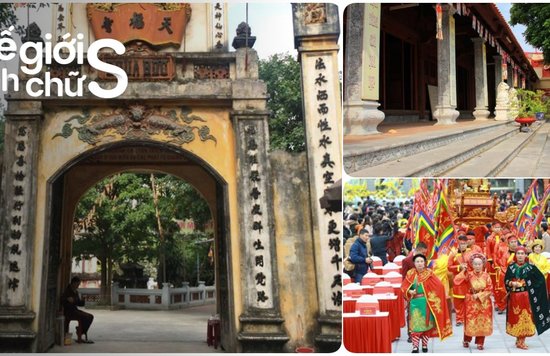
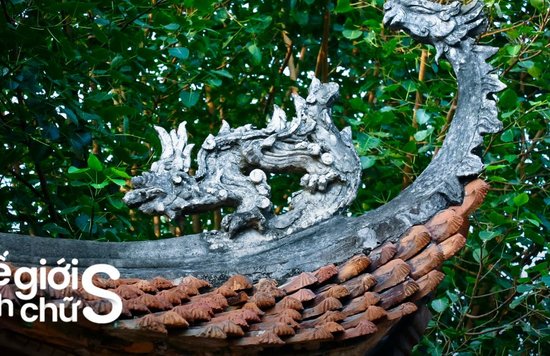
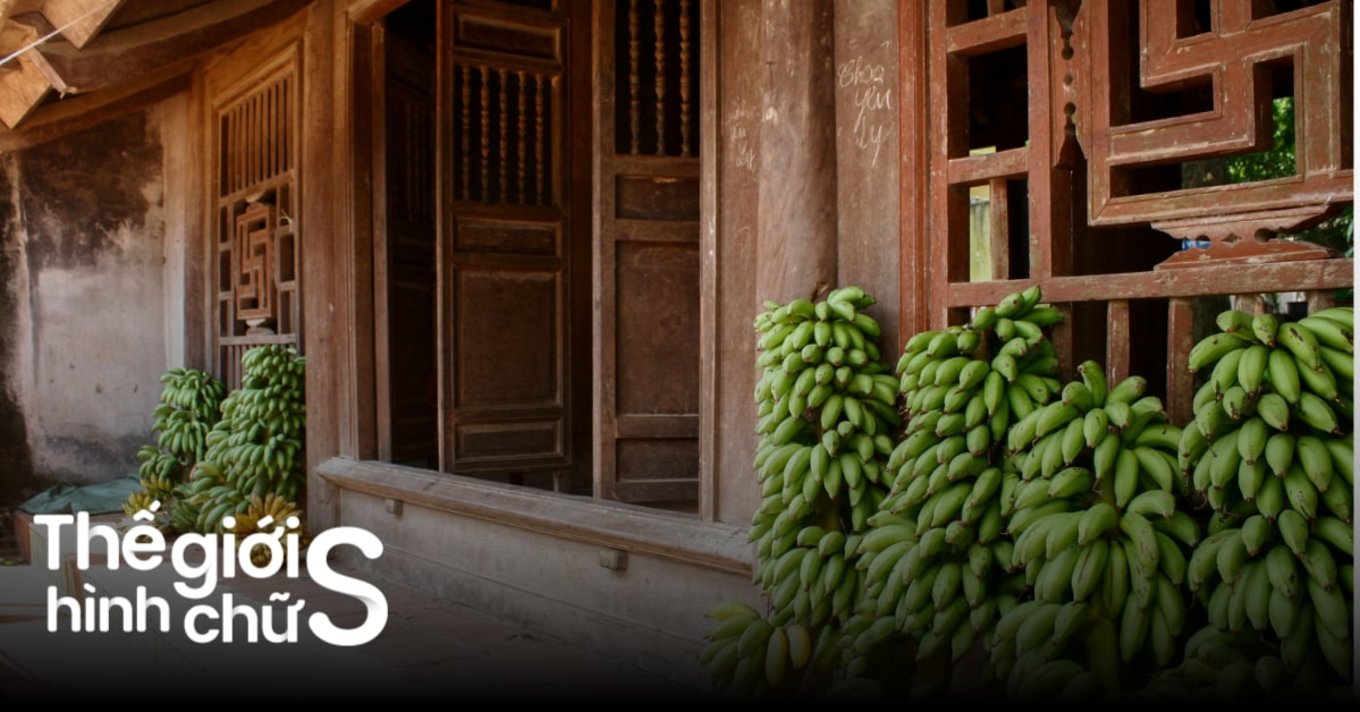
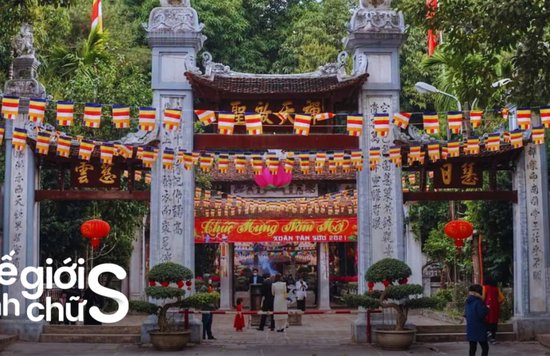
Stepping through the ancient village gate, you leave behind the city's hustle and bustle, entering a serene and contemplative world. Duong Lam, the first ancient village recognized as a National Historical and Cultural Relic, is where time seems to stand still, meticulously preserving the culture, architecture, and customs of a traditional Vietnamese village. From its unique laterite walls and moss-covered roofs to the ancient banyan tree, communal well, and village courtyard, every corner tells a story of heroic history and the simple life of its inhabitants, famously the birthplace of "two kings." Vietnam Canvas invites you on a profound journey of discovery, to find peace and the eternal beauty of Northern Vietnam's soul in Duong Lam.
Beauty Through Every Angle

- Bánh tẻ (Rice Cake): Elegant, simple yet refined, bánh tẻ often graces festive tables and is a popular snack.
- Chè lam (Ginger Sweet Cake): A perfect blend of glutinous rice flour, peanuts, malt syrup, and fresh ginger, creating an unforgettable sweet, nutty, and subtly spicy flavor.
- Gà mía (Mia Chicken): Once a tribute dish for kings, Mia chicken is renowned for its firm meat, crispy skin, and distinct, incomparable flavor.
- Elephant House - Đường Lâm Homestay (Address: 44 Cam Thinh Street, Duong Lam Commune, Son Tay)
- Đường Lâm Village homestay (Address: Alley 7b, Lane 6B Mong Phu, Duong Lam, Son Tay)
- Mô he (Address: Provincial Road 416, Kim Son, Son Tay)
- Tomodachi Retreat - Làng Mít (Address: Trai Lang Hamlet, Co Dong Commune, Son Tay)
- Kẹo dồi (Peanut Brittle): Crispy on the outside, nutty peanut filling inside, a beloved childhood snack for many in Northern Vietnam.
- Bánh gai (Glutinous Rice Cake): Chewy and fragrant from glutinous rice flour, with a savory filling of green beans and pork, all wrapped in fresh ramie leaves.
- Paintings of Duong Lam Ancient Village: A landscape painting of Duong Lam is not only a decorative item but also a meaningful artistic gift, preserving the village's beauty.
Essential Information
The weather during this period is cool and dry, perfect for walking or cycling through the village's alleys.
If you wish to immerse yourself in traditional festivities, consider visiting during the first lunar month to experience the vibrant spring festivals.
Avoid visiting during the peak of summer (June-August), as the weather can be quite hot.
- Car: From Hanoi, take Expressway 08 (Hoa Lac), turn onto National Highway 32 at Quoc Oai, then continue for about 10km to reach the village.
- Motorbike: From Hanoi, follow Thang Long Avenue, turn right at Hoa Lac intersection, then continue on Road 21. Clear directional signs are available along the way.
Public Transport:
- Coach/Bus: Several bus lines run from Hanoi to Duong Lam. You can catch routes like My Dinh - Phu Tho at bus stations such as My Dinh, Yen Nghia, Giap Bat.
- Public Bus: A convenient and cost-effective option, popular among young travelers. Key routes include:
- Route 89: From Yen Nghia to Son Tay bus station.
- Route 73: From My Dinh to Chua Thay.
- Route 71: From My Dinh to Son Tay bus station.
- Fares range from 9,000 VND to 20,000 VND per ticket.
- Taxi/Private Car Rental: For faster travel, taxis are available, though costs will be higher. It's advisable to confirm the fare and route with the driver beforehand.
- Self-drive Car Rental: If you prefer flexibility in your itinerary and don't have a vehicle, you can rent a self-drive car from Hanoi.
- Getting Around the Village: You can explore on foot, rent a bicycle (approximately 30,000 - 50,000 VND/hour or 80,000 - 100,000 VND/day), or use an electric car (around 50,000 VND/person) for convenient travel.
- Carry Cash: Some smaller establishments or stalls might only accept cash payments.
- Respect Local Culture: When visiting temples, pagodas, communal houses, or ancient homes, dress modestly and maintain a respectful demeanor.
- Indulge in Local Delicacies: Don't miss the chance to savor the famous "thịt quay đòn" (roasted pork), "bánh tẻ" (rice cake), "chè lam" (ginger sweet cake), and "gà mía" (Mia chicken) of Duong Lam.
- Souvenir Shopping: "Tương chấm" (soybean paste), "kẹo dồi" (peanut brittle), "bánh gai" (glutinous rice cake), or paintings of the ancient village make meaningful gifts.


Essential Information
The weather during this period is cool and dry, perfect for walking or cycling through the village's alleys.
If you wish to immerse yourself in traditional festivities, consider visiting during the first lunar month to experience the vibrant spring festivals.
Avoid visiting during the peak of summer (June-August), as the weather can be quite hot.
- Car: From Hanoi, take Expressway 08 (Hoa Lac), turn onto National Highway 32 at Quoc Oai, then continue for about 10km to reach the village.
- Motorbike: From Hanoi, follow Thang Long Avenue, turn right at Hoa Lac intersection, then continue on Road 21. Clear directional signs are available along the way.
Public Transport:
- Coach/Bus: Several bus lines run from Hanoi to Duong Lam. You can catch routes like My Dinh - Phu Tho at bus stations such as My Dinh, Yen Nghia, Giap Bat.
- Public Bus: A convenient and cost-effective option, popular among young travelers. Key routes include:
- Route 89: From Yen Nghia to Son Tay bus station.
- Route 73: From My Dinh to Chua Thay.
- Route 71: From My Dinh to Son Tay bus station.
- Fares range from 9,000 VND to 20,000 VND per ticket.
- Taxi/Private Car Rental: For faster travel, taxis are available, though costs will be higher. It's advisable to confirm the fare and route with the driver beforehand.
- Self-drive Car Rental: If you prefer flexibility in your itinerary and don't have a vehicle, you can rent a self-drive car from Hanoi.
- Getting Around the Village: You can explore on foot, rent a bicycle (approximately 30,000 - 50,000 VND/hour or 80,000 - 100,000 VND/day), or use an electric car (around 50,000 VND/person) for convenient travel.
- Carry Cash: Some smaller establishments or stalls might only accept cash payments.
- Respect Local Culture: When visiting temples, pagodas, communal houses, or ancient homes, dress modestly and maintain a respectful demeanor.
- Indulge in Local Delicacies: Don't miss the chance to savor the famous "thịt quay đòn" (roasted pork), "bánh tẻ" (rice cake), "chè lam" (ginger sweet cake), and "gà mía" (Mia chicken) of Duong Lam.
- Souvenir Shopping: "Tương chấm" (soybean paste), "kẹo dồi" (peanut brittle), "bánh gai" (glutinous rice cake), or paintings of the ancient village make meaningful gifts.